
To understand how do ice makers in freezers work, consider their cycle: a valve fills a mold, the freezer chills it, a heater loosens the cubes, and a motor ejects them until a sensor stops the process.
How do ice makers in freezers work?
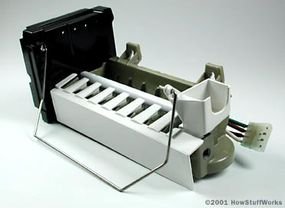
| Part or input | What it does | What you notice when it goes wrong |
|---|---|---|
| Water inlet valve | Sends water into the ice mold | No ice or water leaks inside |
| Ice mold | Holds liquid water while it freezes | Misshapen or broken ice cubes |
| Internal thermostat | Checks when the ice reaches harvest temperature | Machine stops making new ice cycles |
| Mold heater | Warms the tray to loosen ice | Ejector stalls or blades strip gears |
| Ejector blades | Sweeps cubes out into the bin | Ice jams at the mold edge |
| Shutoff arm or sensor | Pauses production when the bin fills | Bin overflows onto freezer shelves |
What happens, step by step
- A low-voltage switch opens the water inlet valve for about 7 seconds to fill the mold with liquid water.
- The freezer chills the liquid until the mold thermostat reads around 9°F, which takes 60 to 90 minutes.
- Once chilled to that temperature, the internal switch turns on a small electric heater beneath the tray.
- The mold heater warms the metal for roughly 60 seconds so the frozen edges loosen from the plastic or aluminum.
- A low-speed drive motor turns the shaft, sweeping the ejector blades through each mold pocket to lift the cubes.
- The plastic stripper fingers catch the cubes, guiding them forward so they drop directly into the storage bucket below.
- The shutoff arm drops back down; if it hits a pile of ice, the harvest switch pauses until space opens.
Why this matters when something goes wrong
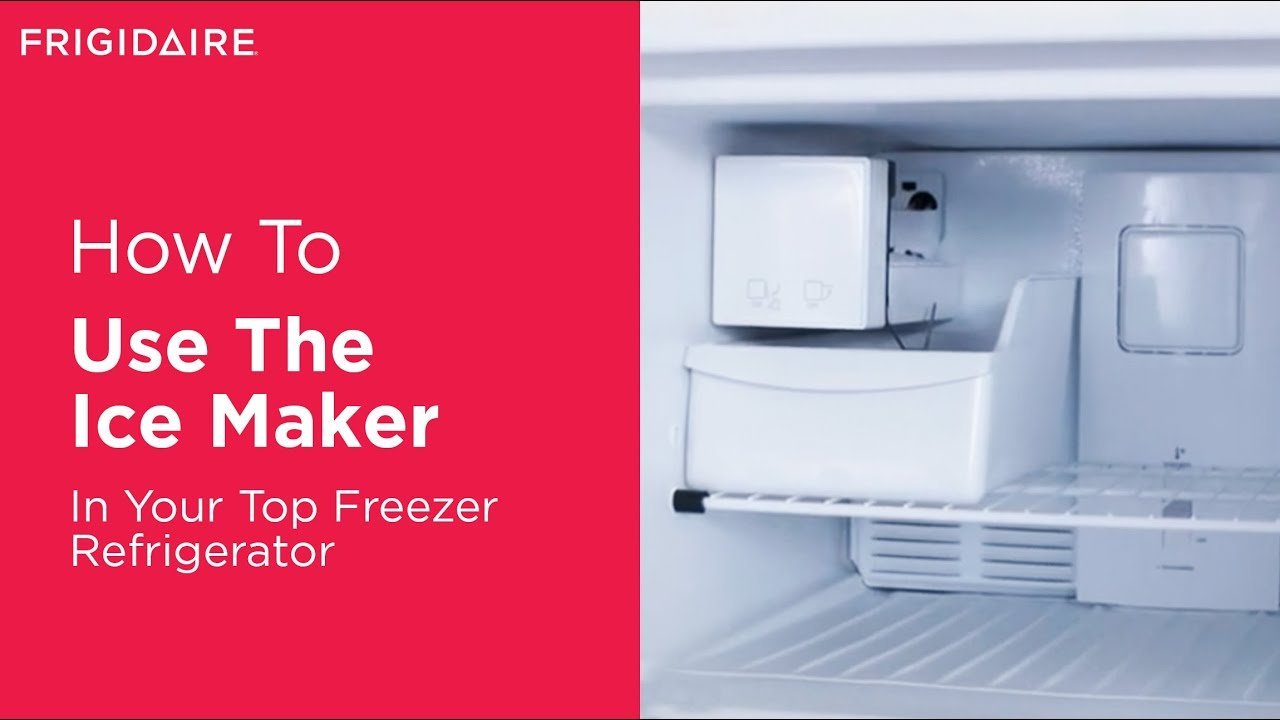
Every part of the cycle depends on the step right before it. A symptom points straight to a single failing part once you track the mechanical chain. If you get no ice at all, people often blame the freezer motor. A frozen fill tube or a clogged sediment screen at the water inlet valve is far more common. When the water pressure drops below 20 psi, the valve can’t snap shut properly, causing slow drips that freeze solid inside the line.
If the bin stays empty while the mold sits full of frozen blocks, the mold heater failed to release them. The trade-off is simple: the harvest motor works harder when the heater drops out, which eventually strips the drive gear. According to the ENERGY STAR refrigerator guidance, freezers keep food fresh and freeze water efficiently around 0°F (-18°C). If your freezer runs at 15°F, it keeps food safe, but the harvest cycle may be significantly delayed.
If the machine won’t fill, do this check: if the mold is dry, inspect the fill valve; if the mold is full of solid ice, test the thermostat switch.
What you can change, and what you can’t
This breakdown shows what an owner can manage safely and where household tools aren’t enough. This isn’t for people with commercial ice makers or sealed under-counter units, which use continuous-flow freeze plates and harvest pumps.
Things you control
- The freezer temperature setting (keep it set right at 0°F for steady cycles).
- The water filter cartridge (replace it regularly to stop mineral drops).
- The bail arm position (lift it up to lock it off, lower it down to run).
- Manual block clearing (melt ice dams with warm air, never metal knives).
- The water supply shutoff valve behind the fridge (turn clockwise to stop leaks).
Fixed by design
- The total cycle speed (a batch takes 60 to 90 minutes depending on airflow).
- The fill volume (the factory sets valve timing between 5 to 8 seconds).
- The harvest motor torque (excess resistance strips the nylon gear teeth).
An honest limit: internal switches and motor wiring vary by model — check the label inside your door. When water lines leak behind the cabinet wall or a compressor stops cooling, stop working and hire a licensed appliance repair technician to protect your warranty and home plumbing.
Getting more out of it
A common mistake people make is ignoring their water filter, which clogs the lines and costs them an expensive service call for a valve that was just starving for water. If your freezer sits above 0°F, drop the temperature control two degrees. Empty your ice bucket whenever you notice it; old ice absorbs food smells and shrinks into small clumps. Always leave 2 inches of open air around the ice maker box so cold air circulates across the mold.
Frequently asked questions
Can a freezer make ice if the water filter is missing?
Yes. Most modern refrigerators include a built-in bypass plug in the filter housing that keeps the water flowing into the maker, though hard water minerals will build up faster inside the mold.
Why is my ice maker running but not producing any cubes?
The water line is usually frozen or disconnected. If the drive motor cycles normally but the mold stays empty, inspect the inlet fill tube behind the maker for a solid plug of frost.
How long does a normal ice maker take to freeze a batch?
About 90 minutes under typical kitchen conditions. This assumes your freezer stays at 0°F; if the door opens often or the unit runs warmer, a single cycle can take over 2 hours.
Is it safe to scrape ice off the maker with a screwdriver?
No. Metal tools pierce the aluminum mold coating and tear the plastic stripper blades, ruining the seal and letting water leak into your food bins below. Always use warm water or air.
What happens if the bail arm breaks off?
The ice maker will never stop producing cubes. Without the arm resting against the top of the ice pile, the harvest switch triggers continuously until frozen cubes push past the bucket and fill your freezer.
Does low household water pressure stop the machine?
Yes. The water inlet valve requires adequate pressure to fill the mold within the timed cycle. Weak line pressure leads to small cubes, hollow shells, or an inlet valve that dribbles water and freezes shut.
Final Thoughts
If you notice your cubes getting smaller or tasting a bit strange, it’s usually time to swap out your water filter. Keeping that filter fresh ensures your drinks stay crisp and clean. You’ll find it’s a quick task that keeps everything running smoothly, so don’t hesitate to check yours today.
Related guides
Pingback: How Does a Mini Ice Maker Work: The Full Cooling Process
Pingback: How to Make Ice in a Chest Freezer: Simple Steps
Pingback: How to Operate Ice Maker Machine Units: A Simple Setup Guide
Pingback: How to Turn on Ice Maker in Freezer: Simple Step-by-Step Fix