
Learning how to operate ice maker machine units requires a stable water connection, a verified power source, and 24 hours for the system to reach full capacity. This guide covers setup, maintenance, and troubleshooting.
How the ice maker machine works
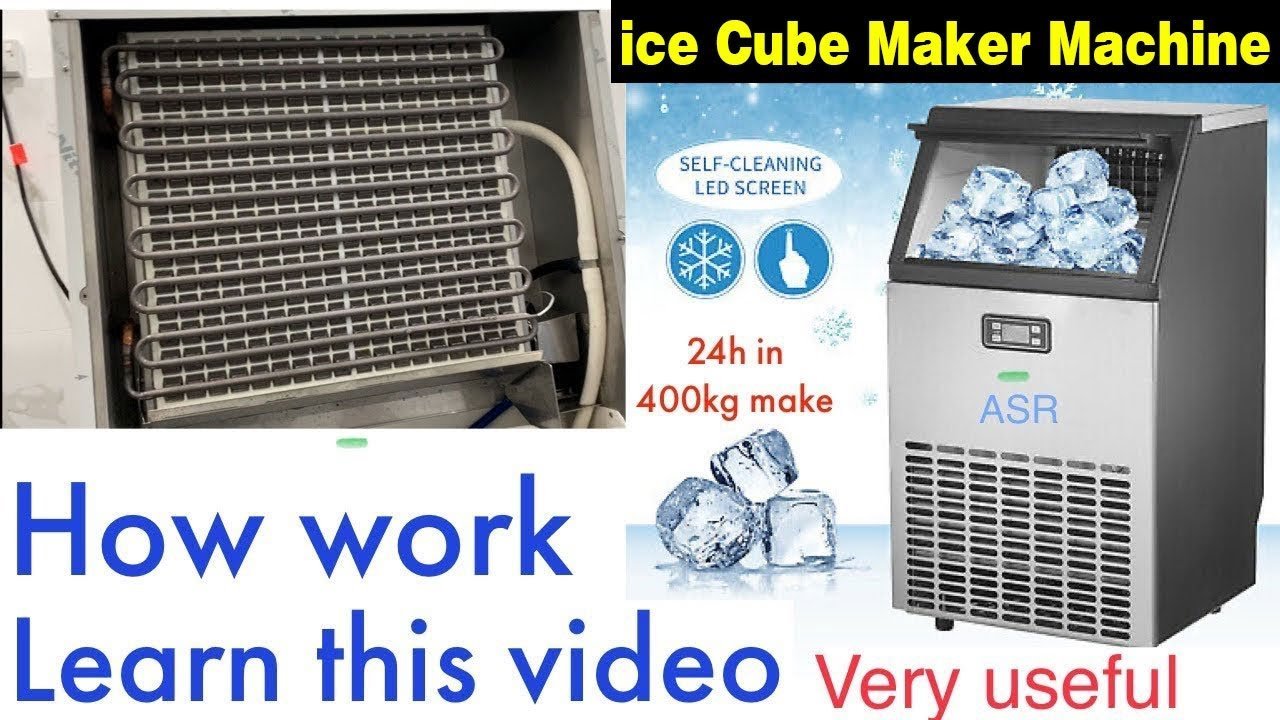
An ice maker is a dedicated appliance designed to freeze water into specific shapes for storage in an insulated bin. It functions by circulating water over a chilled evaporator plate until the ice reaches the desired thickness. These machines are for home or commercial kitchens where a steady supply of ice is required. A common misconception is that the machine will produce ice instantly upon plugging it in; in reality, the system needs to reach a specific internal temperature before the first batch drops. Always verify your specific unit’s requirements, as this varies by model — check the label for voltage and water pressure limits.
How to Operate Ice Maker Machine
- Connect the water line to the machine’s inlet valve and tighten the coupling using an adjustable wrench.
- Turn on the water supply valve fully and check the connection for any signs of leaking or moisture.
- Plug the power cord into a grounded outlet and switch the control dial or button to the “On” position.
- If your model has a water filter, ensure it’s seated firmly in the housing to prevent bypass leaks.
- Close the door or lid to allow the internal temperature to drop, which usually takes 3 to 6 hours for the first harvest.
- Discard the first two batches of ice to clear the system of any manufacturing dust or lingering debris from the lines.
If you’re unsure about plumbing connections, hire a licensed professional. Improper installation can cause flooding or void your warranty. If the machine requires a dedicated circuit, don’t share it with other high-draw appliances.
Key numbers and settings at a glance
Setting up your machine correctly depends on the specific environment and the type of ice you need.
| Situation | What to use | How long | What to watch for |
|---|---|---|---|
| First start | Factory defaults | 24 hours | Full bin sensor |
| Deep cleaning | Food-safe cleaner | 30 minutes | Scale buildup |
| High temp room | Increased airflow | Constant | Melt rate |
What separates good results from bad ones
Experienced users always prioritize airflow and cleanliness. The machine needs several inches of clearance on all sides to dissipate heat; if you crowd the unit, the compressor works harder and ice production slows significantly.
Maintaining Optimal Conditions
Always keep the condenser coils free of dust. If the coils are clogged, the machine can’t release heat efficiently, which causes the ice to melt prematurely in the bin. A mistake people make is using generic cleaners that are too acidic; this can damage the nickel plating on the evaporator, leading to expensive repairs. Use only the manufacturer-recommended cleaning solution, as detailed in the NSF International food equipment standards regarding safe component materials.
Monitoring Performance
Check the bin level daily. If the ice looks cloudy, it often means the water filter is saturated or the mineral content is high. If you notice the machine isn’t cycling, ensure the bin sensor isn’t blocked by a stray piece of ice.
Common problems and quick fixes
| What you notice | What it usually means | What to do first |
|---|---|---|
| No ice production | Power or water supply | Check the breaker |
| Soft or slushy ice | Warm ambient temp | Improve ventilation |
| Machine is noisy | Uneven surface | Level the feet |
| Small or thin cubes | Low water flow | Check filter status |
Regulatory and Safety Requirements
Local building codes often dictate how water lines are connected to prevent backflow contamination. If you live in an area with hard water, the buildup of calcium carbonate can force the machine to shut down to protect the pump. If you need to service internal electrical components like the capacitor or the compressor, stop immediately. These parts can hold a lethal charge even when unplugged. A qualified technician must handle any internal electrical work to prevent injury or fire hazards.
Routine Maintenance Tasks
Keep your machine running smoothly by wiping the interior bin with a clean, damp cloth regularly. If the machine develops an odor, run a cleaning cycle using the manufacturer’s specific descaling agent. If you’re going away for more than a week, turn off the water supply and unplug the unit to prevent stagnant water from sitting in the lines. When you return, flush the system with fresh water for ten minutes before collecting ice for consumption.
When to use a different approach
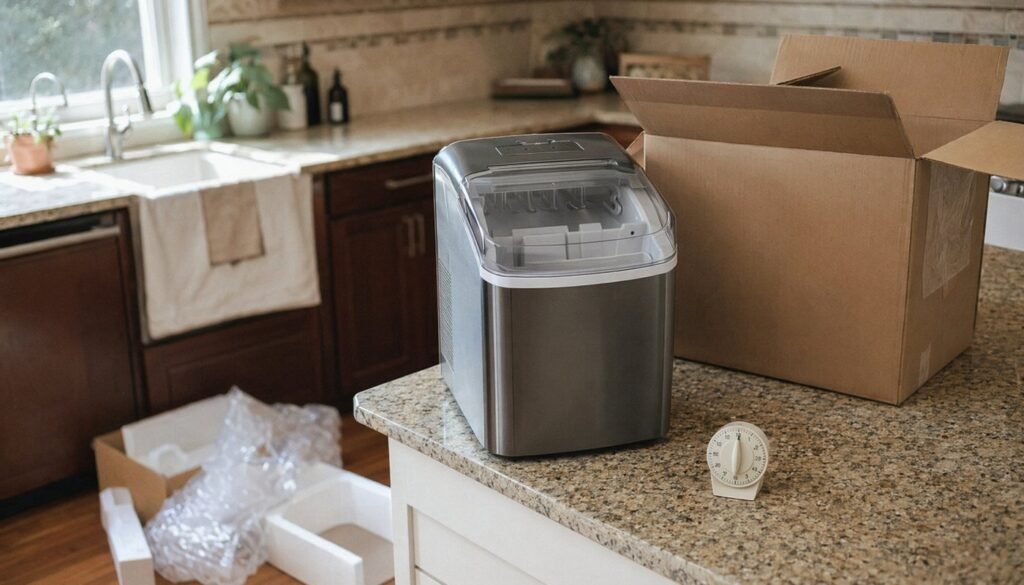
If you only need ice for a single event, a portable countertop machine is often more efficient than running a built-in unit. If your building has extremely low water pressure, the machine might fail to cycle; in this case, install a booster pump or switch to a manually filled unit. Never attempt to force the ice cycle to end early by prying at the evaporator, as this can permanently scratch the metal and ruin the machine’s ability to release ice.
Frequently asked questions
Can I use softened water in my ice maker?
Yes, but check the manufacturer manual first, as softened water can sometimes affect the performance of certain water-level or ice-thickness sensors.
Why is my ice maker making a grinding noise?
It usually indicates the machine isn’t level or the water pump is struggling to draw water, so check that all four feet are touching the floor firmly.
How long does it take for the bin to fill?
It typically takes 24 hours for a residential machine to produce a full bin of ice, though this depends on the ambient room temperature and water temperature.
Is it safe to turn the machine off at night?
Yes, you can turn it off, but it’s better to leave it running as the machine is designed to cycle automatically when the bin is full.
What happens if the power goes out?
The machine will stop, and the ice in the bin will begin to melt; once power returns, most models will automatically resume the ice-making cycle.
Final Thoughts
Keep an eye on your water filter and clean the bin regularly to ensure your cubes stay fresh and clear. If you notice any unusual noises or a drop in production, don’t hesitate to check the manual for quick fixes. You’ll be glad you did when you’ve got plenty of ice ready.
Pingback: How to Operate Ice Maker Systems: Simple Step by Step Guide
Pingback: How Much Are Commercial Ice Machines: Pricing Guide