
Commercial ice machines typically cost between $1,500 and $6,000 for standard units, while large-scale modular systems range from $4,000 to $10,000 or more. Because the price depends heavily on production capacity, storage needs, and cooling technology, you should always check the specific equipment requirements for your facility.
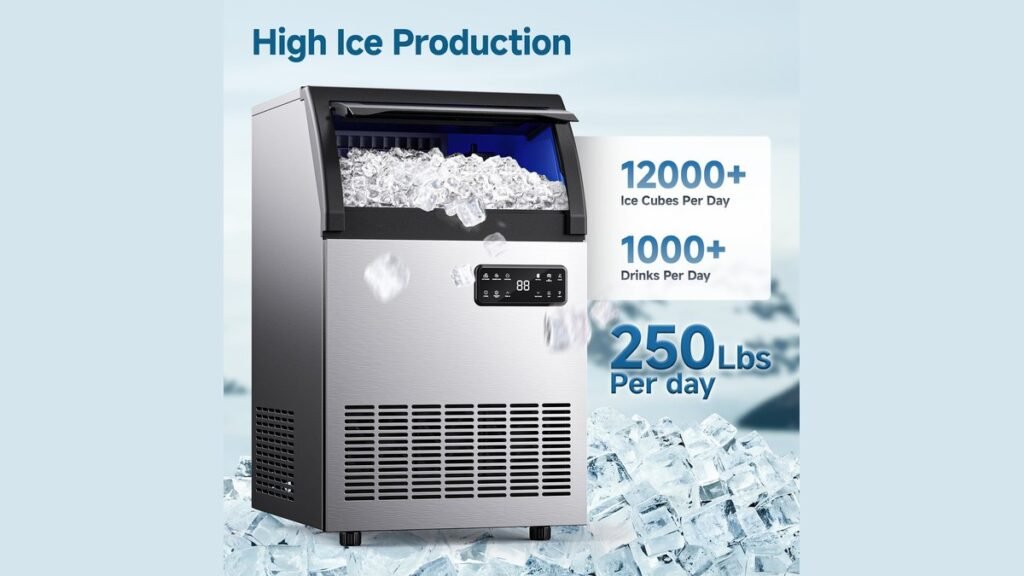
The most important factor is the daily ice production rate, measured in pounds per 24-hour period. If you buy a unit that produces too little ice, you’ll run out during busy shifts; if you buy one that produces too much, you waste energy and floor space.
A common mistake is forgetting that the price tag rarely includes the storage bin, water filtration system, or professional installation. These extras can add $500 to $2,000 to your total investment, so always confirm exactly what is included in the quote before you commit to a purchase.
How Much Are Commercial Ice Machines and How to Choose
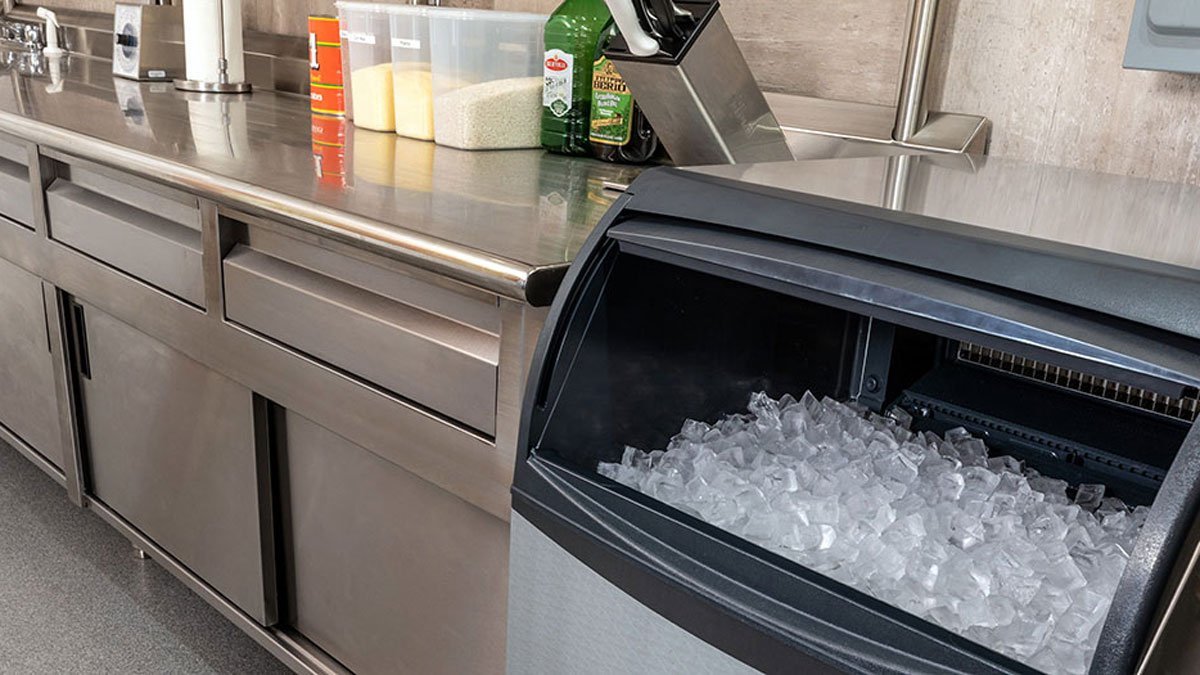
- Calculate your daily ice needs based on your business type, such as 1.5 pounds per customer for a restaurant or 3 pounds per bed for a hospital.
- Choose between air-cooled and water-cooled units based on your ambient room temperature and ventilation capacity.
- Verify that your chosen model meets the ENERGY STAR requirements for commercial ice machines to ensure long-term energy savings.
- Hire a licensed plumber and electrician to handle the installation, as improper water lines or incorrect voltage can void your manufacturer warranty.
- Install a high-quality water filtration system to prevent scale buildup, which is the primary cause of mechanical failure in ice makers. * Tip: Always check the water hardness in your area, as high mineral content requires a more robust filtration system to avoid frequent repairs. Schedule professional cleaning services according to the manufacturer’s specific maintenance manual. * Tip: Never use harsh abrasive chemicals on the ice-making surfaces, as these can create scratches where bacteria easily grow and multiply.
Timeframe for Equipment Acquisition
The process of buying and setting up a machine can take anywhere from a few days to several weeks depending on shipping and site preparation.
| Situation | How long | What changes it | What to watch for |
|---|---|---|---|
| Stock unit purchase | 3-7 days | Shipping distance | Transit damage |
| Custom or large modular | 4-8 weeks | Factory lead times | Supply chain delays |
| Site prep and install | 1-3 days | Plumbing complexity | Leak testing |
If installation takes longer than three days, ensure your plumbing connections match the manufacturer’s specifications before assuming the machine is faulty.
Confirming Operational Readiness
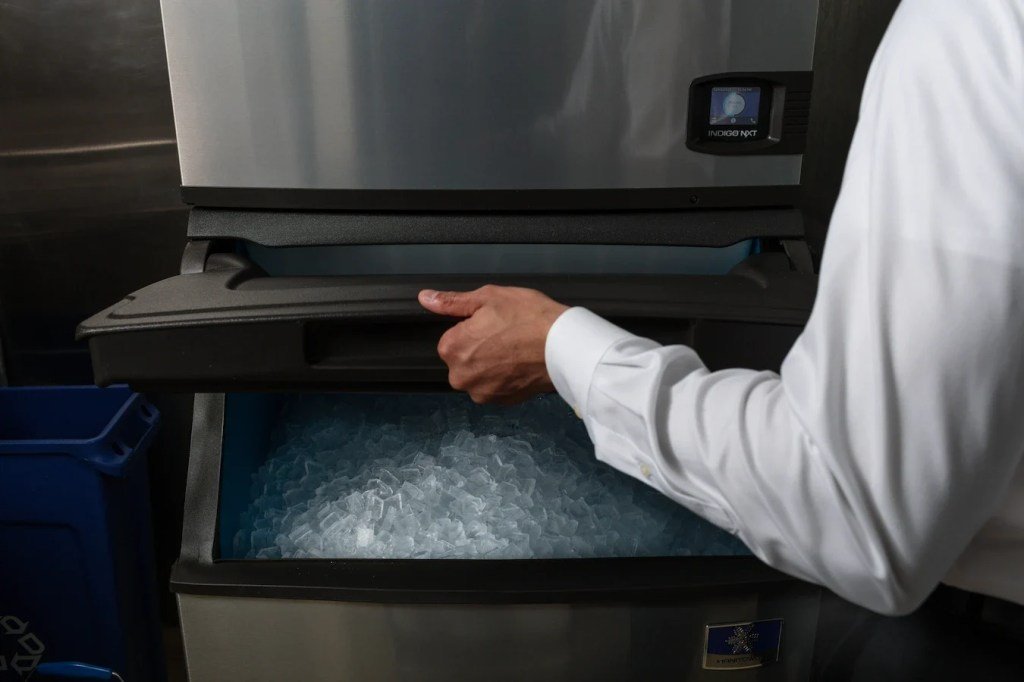
You know the machine is functioning correctly when it completes a full harvest cycle without excessive noise or water leakage. The ice cubes should be uniform in shape and clarity; cloudy or misshapen ice often indicates a need for water pressure adjustment or a filter change. The most reliable test is to observe the machine through two full cycles to ensure the bin fill sensor triggers the auto-shutoff mechanism properly. If the machine continues to run while the bin is full, it may cause the ice to melt or overflow, wasting significant amounts of water.
Common Installation and Care Errors
- Ignoring Ventilation Requirements: Placing an air-cooled unit in a tight, unventilated closet causes the compressor to overheat and fail prematurely. Always leave at least six inches of clearance on all sides for proper airflow.
- Skipping Water Filtration: Hard water leaves mineral deposits on internal components, which significantly slows down production and raises energy costs. Install a dedicated scale-inhibitor filter to protect your investment.
- Underestimating Bin Size: Buying a high-production head unit with a tiny storage bin forces the machine to run constantly, leading to mechanical wear. Select a bin that holds at least 50% of your daily production capacity to ensure you have a buffer during peak hours.
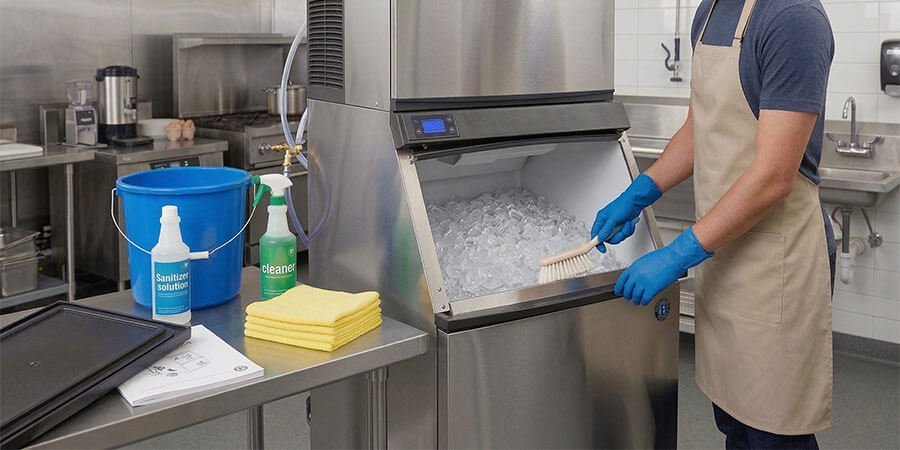
- Neglecting Regular Sanitization: Failing to clean the unit allows slime and scale to accumulate, which ruins ice quality and violates health codes. Follow the manufacturer’s cleaning schedule strictly to maintain performance.
Frequently asked questions
Can I install a commercial ice machine myself?
No, you shouldn’t install a commercial unit yourself unless you’re a licensed professional. Improper electrical wiring or plumbing connections can void your warranty and pose significant safety risks, including water damage or electrical fires. Always hire a certified technician to ensure your installation meets local building codes.
How much ice does a restaurant need daily?
A standard restaurant usually needs 1.5 pounds of ice per customer per day for drinks and cooling. For bars or salad bars, you should increase this estimate to account for higher usage rates. Check your specific daily customer count to determine the exact production capacity required for your model.
How often do I need to clean the machine?
Clean and sanitize your machine according to the manufacturer’s recommended schedule. If your facility has hard water or high levels of dust and grease in the air, follow the manufacturer’s specific guidance for increased cleaning frequency.
Is it safe to buy a used commercial ice machine?
Yes, it’s safe if you verify the machine’s maintenance history and test its cooling capacity before payment. However, used units often lack warranties and may have worn-out compressors that are expensive to replace. Always check the evaporator plate for signs of pitting or deep scratches before buying.
What happens if the ice machine stops making ice?
If your machine stops, first check the power supply and ensure the water line is fully turned on. Next, verify that the bin isn’t already full and that the water filter isn’t clogged. If these checks fail, contact a qualified service technician to inspect the refrigeration system.
How long do commercial ice machines last?
Commercial ice machines typically last between seven and ten years with regular maintenance and proper water filtration. This lifespan varies by model and usage intensity, as units in high-heat environments or those with poor water quality will require replacement much sooner than those in climate-controlled, filtered setups.
Commercial ice, in short
Choosing the right equipment is a big investment, so don’t rush into a decision. Reach out to a local dealer to discuss your daily volume and available floor space. They’ll help you find a reliable model that fits your budget perfectly, ensuring your business stays cool and ready for customers.
Pingback: What Is the Best Commercial Ice Machine for Your Business
Pingback: Where Is a Ice Machine Near Me: Find Locations Quickly