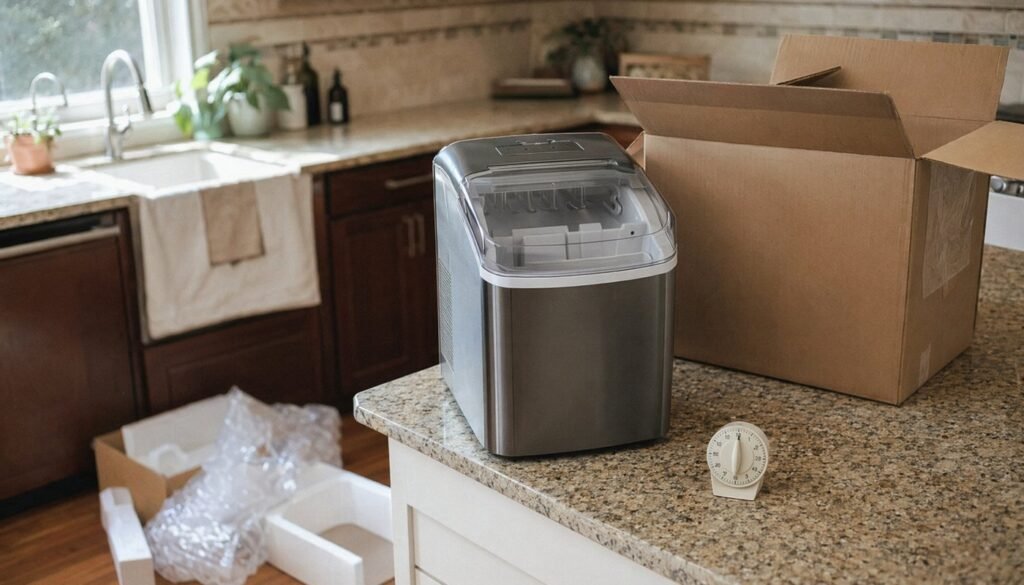
Learning how to use automatic ice maker systems begins by lifting the wire shut-off arm or pressing the power button. Once the water line is connected, the tray fills, freezes, and dumps cubes into the bin automatically.
The most important factor for success is ensuring your water line has a steady, unobstructed flow. If the pressure is too low, the valve can’t open, and the tray remains empty. The most common mistake people make is failing to discard the first two or three batches of ice. These early cycles often contain loose plastic dust or debris from the factory, which you should always throw away to keep your water supply clean.
How to run your automatic ice maker
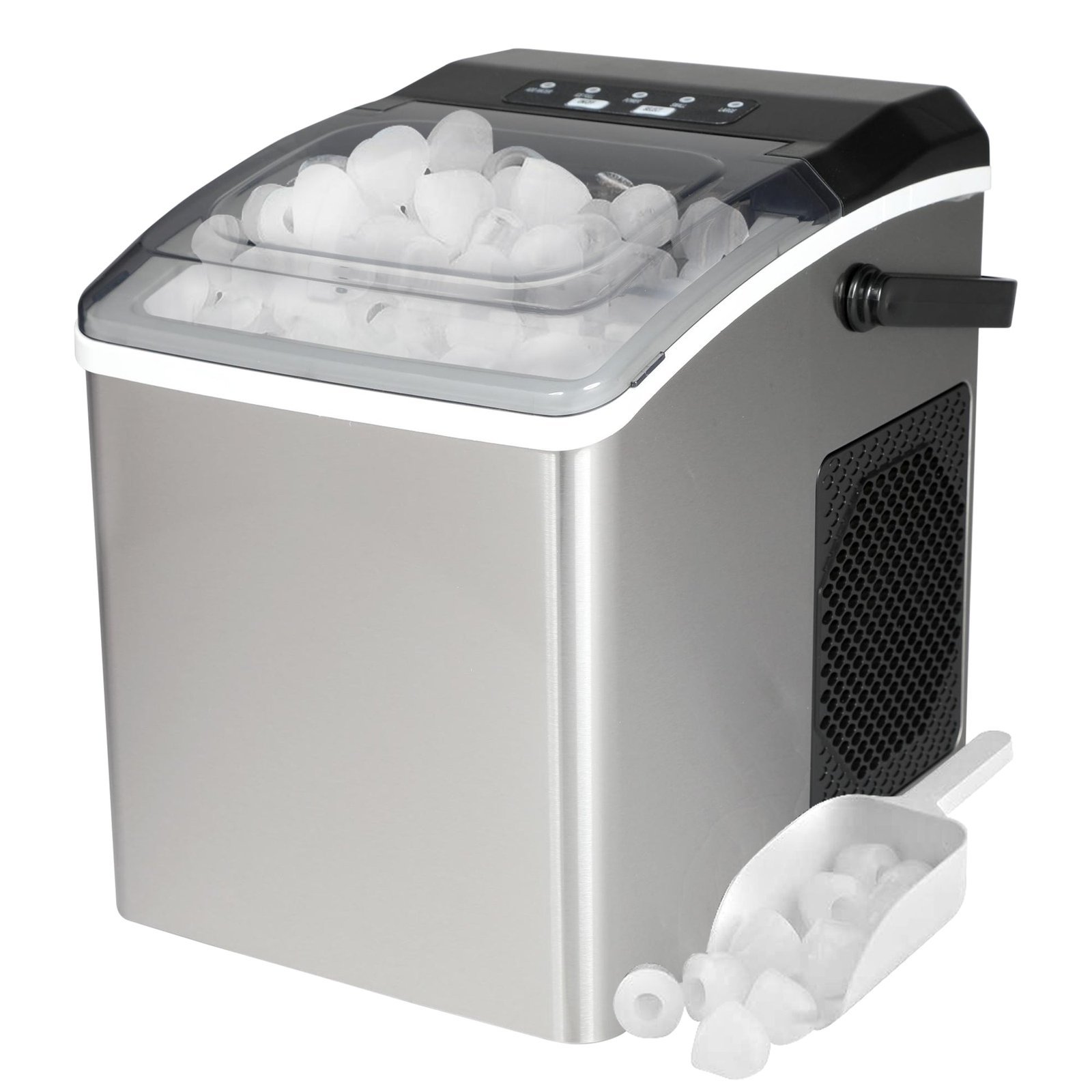
- Connect the water line to the intake valve at the back of the unit, tightening the compression nut with a wrench until it’s snug but not overtightened.
- Turn on the water supply valve and check the connection for any moisture or leaks before you push the refrigerator back into its position.
- Lower the wire shut-off arm or switch the ice maker power to the “on” position on the digital display panel to begin the first cycle.
- Wait 24 hours for the system to reach the correct operating temperature.
- Discard all ice produced during the first 12 hours of operation to ensure any trapped air or sediment from the new line is flushed out.
- Verify the bin is seated correctly; if the sensor arm hits the bin, the machine will stop making ice prematurely.
Tip: If you have a water filter, replace it regularly to keep the ice tasting fresh and prevent mineral buildup in the valve.
Tip: If your ice cubes are small or hollow, check your water pressure; most residential units require between 20 and 120 pounds per square inch to function properly.
Production and cycle timing
If your ice maker takes longer than four hours to produce a single batch, check that your freezer temperature is set to zero degrees Fahrenheit or lower.
Monitoring the output
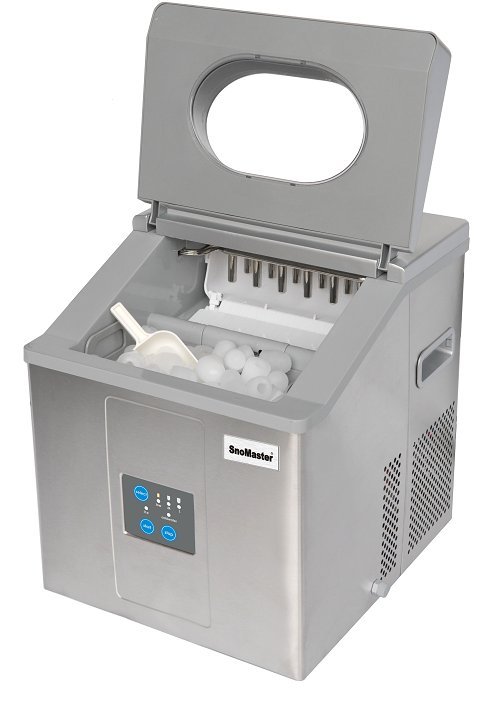
You can tell the process is working by listening for the mechanical click of the water valve opening, followed by the sound of water flowing into the mold. Once the cycle finishes, you’ll hear a distinct mechanical sound as the arm rotates to dump the cubes into the bin. If the bin is full, the metal wire arm or the infrared sensor will detect the height of the ice and pause production. If the signs conflict—such as a cold freezer but no ice—check the water line for kinks or frozen blockages inside the tube.
Mistakes that ruin it
- Forgetting to flush the line: This leaves plastic shavings and factory dust in your first few drinks. Always dump the first two full bins of ice after a new installation or filter change.
- Overloading the freezer: Blocking the airflow around the ice maker prevents it from sensing the cold temperature needed to trigger a cycle. Keep the area around the ice bin clear of large food items.
- Ignoring a frozen water line: If the water pressure drops, the line can freeze solid at the point where it enters the freezer cabinet. Use a hair dryer on a low setting to gently thaw the line if you suspect a blockage.
- Not checking the shut-off arm: If the wire arm is accidentally bumped into the “up” position, the machine stops working immediately. Ensure the arm is down so the bin can fill properly.
Frequently asked questions
Can I turn off the ice maker when I go on vacation?
Yes, you should turn it off by lifting the wire arm or using the control panel if you plan to be away for more than one week. This prevents the ice from clumping together due to temperature fluctuations and stops the motor from running unnecessarily.
Why is my ice maker making loud noises?
The noise usually comes from the motor gear or the water valve opening and closing during a cycle. If the sound is a loud grinding or banging, check that the ice bin is pushed all the way in and that the cubes aren’t jammed in the ejector.
How long does it take to fill the bin completely?
It typically takes about 24 hours of continuous operation to fill an empty ice bin for the first time. This assumes the freezer is set to the manufacturer’s recommended temperature and the door isn’t opened frequently, which allows warm air to enter and slows production.
Is it safe to eat ice from a new machine?
Yes, it’s safe to eat the ice as long as you have discarded the first two cycles to clear out factory dust. Always ensure your water line is connected to a potable, filtered water source to avoid contaminants that could affect the quality of your ice.
What happens if the ice cubes are stuck together?
The cubes stick together because they’re partially melting and refreezing, which usually happens if the freezer door is left ajar. You should remove the clumped ice, empty the bin, and ensure the freezer seal is clean and tight to maintain a constant temperature.
How do I reset the ice maker?
You can reset most models by pressing the reset button on the side of the unit or by unplugging the refrigerator for 60 seconds. If your model doesn’t have a reset button, cycling the power off and on again usually forces the machine to begin a new harvest cycle.
Final Thoughts
Keep an eye on the bin every few weeks to ensure the cubes don’t clump together or overflow. If you notice the flow slowing down, it’s a good time to check your water filter for buildup. You’ll enjoy having a steady supply of fresh, cold ice whenever you need it.