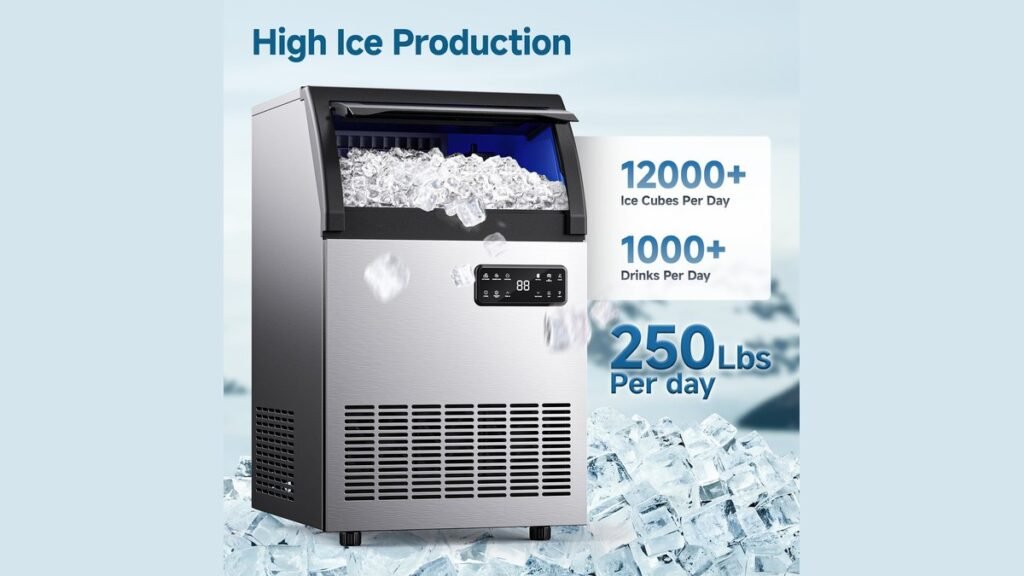
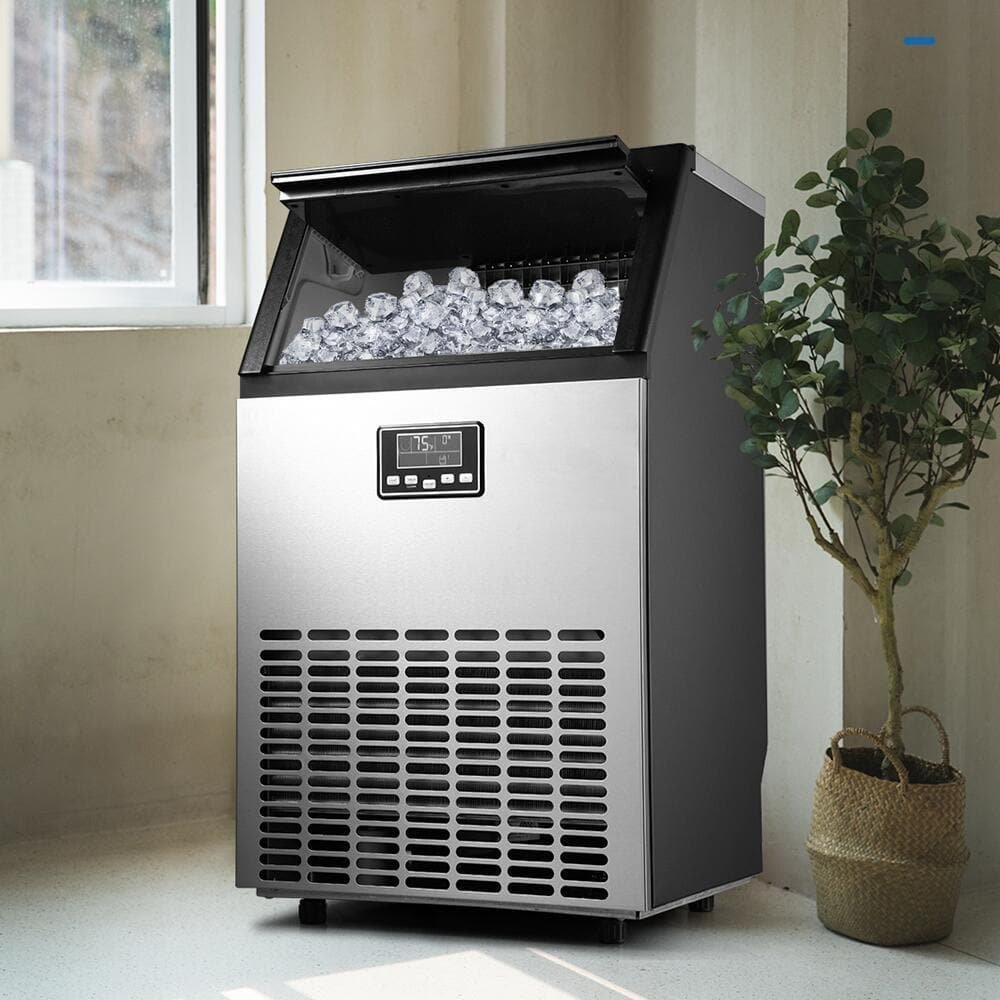
An ice machine is a dedicated appliance designed to freeze water into specific shapes—such as cubes, nuggets, or flakes—for cooling beverages and preserving food. These machines range from compact countertop units for home kitchens to heavy-duty commercial equipment found in restaurants and hotels. Whether you need a steady supply for daily iced coffee or high-volume output for a business, understanding the mechanical process is the first step toward selecting the right model for your specific cooling needs.
Key Takeaways
- Countertop models produce ice in 10 to 20 minutes.
- Commercial units require a dedicated floor drain.
- Water quality significantly impacts the taste of ice.
- Regular descaling prevents mineral buildup in internal lines.
- Energy consumption varies by machine type and volume.
How Does An Ice Machine Work?
At its core, an ice machine functions through a continuous cycle of water circulation and heat exchange. Most models pump water over a refrigerated evaporator plate, which is cooled by a compressor system. As the water flows over the freezing surface, it gradually builds up into layers until it reaches the desired thickness. Once the cycle finishes, the machine briefly heats the evaporator plate to release the ice into a collection bin.
| Component | Function |
|---|---|
| Compressor | Circulates refrigerant to chill the plate. |
| Water Pump | Moves water over the evaporator surface. |
| Evaporator | The freezing surface where ice forms. |
| Bin Sensor | Stops production when the bin is full. |
Types Of Ice Machines
Choosing the right machine depends on your installation space and the volume of ice you require. Residential models focus on convenience, while commercial units prioritize speed and storage capacity.
Countertop Ice Makers
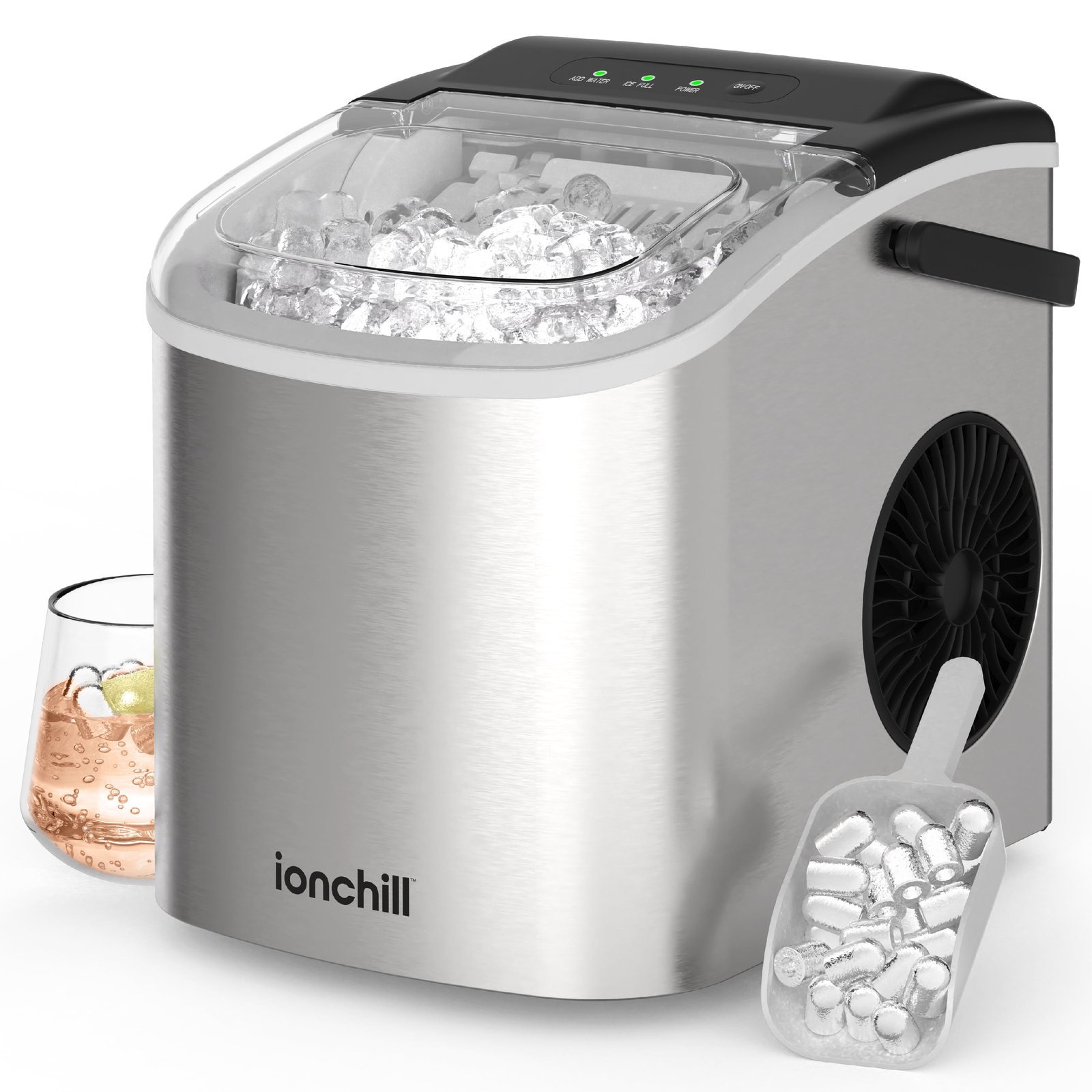
These portable units are perfect for home bars, offices, or RVs. They don’t require a plumbing connection; you simply fill a reservoir with water, and the machine produces ice in a self-contained bin.
Built-In And Undercounter Units
Designed to fit seamlessly into kitchen cabinetry, these machines often require a permanent water line and a drain. They’re ideal for high-end kitchens where aesthetics and constant availability are top priorities.
Commercial Modular Machines
Used in hospitality, these robust machines separate the ice-making head from the storage bin. This allows businesses to pair a high-capacity head with a bin size that matches their specific traffic flow.
Critical Maintenance Requirements
To keep your unit running, you must follow a strict cleaning schedule. Failure to manage internal scale buildup can lead to mechanical failure. According to the FDA Food Code guidelines, equipment must be maintained in a clean and sanitary condition to prevent the growth of harmful bacteria and mold.
Warning: Always unplug the machine and allow it to reach room temperature before attempting to perform deep cleaning or descaling of internal components.
Comparing Ice Shapes
The shape of your ice is more than just a preference; it affects how fast a drink cools and how quickly the ice melts.
| Ice Shape | Best Use Case | Melt Rate |
|---|---|---|
| Full Cube | Cocktails and spirits | Slow |
| Nugget | Soft drinks and smoothies | Fast |
| Flake | Seafood displays and salads | Very fast |
| Crescent | Standard home drink cooling | Moderate |
How To Install A Machine
Installation complexity varies by the type of unit. Portable countertop models are “plug and play,” meaning you only need a standard electrical outlet. However, built-in units require professional plumbing and electrical skills to ensure the water line is sealed and the drain is properly vented.
Pro Tip: Always install an inline water filter between your main water supply and the machine to remove sediment and chlorine, which ensures your ice tastes fresh and protects the internal valves.
Energy Efficiency Considerations
Ice makers are energy-intensive appliances because they must maintain sub-freezing temperatures in a constant cycle. When shopping, look for models that offer high insulation ratings. A well-insulated bin keeps ice from melting prematurely, meaning the compressor doesn’t have to work as hard to replenish the stock, ultimately lowering your long-term utility costs.
Troubleshooting Common Issues
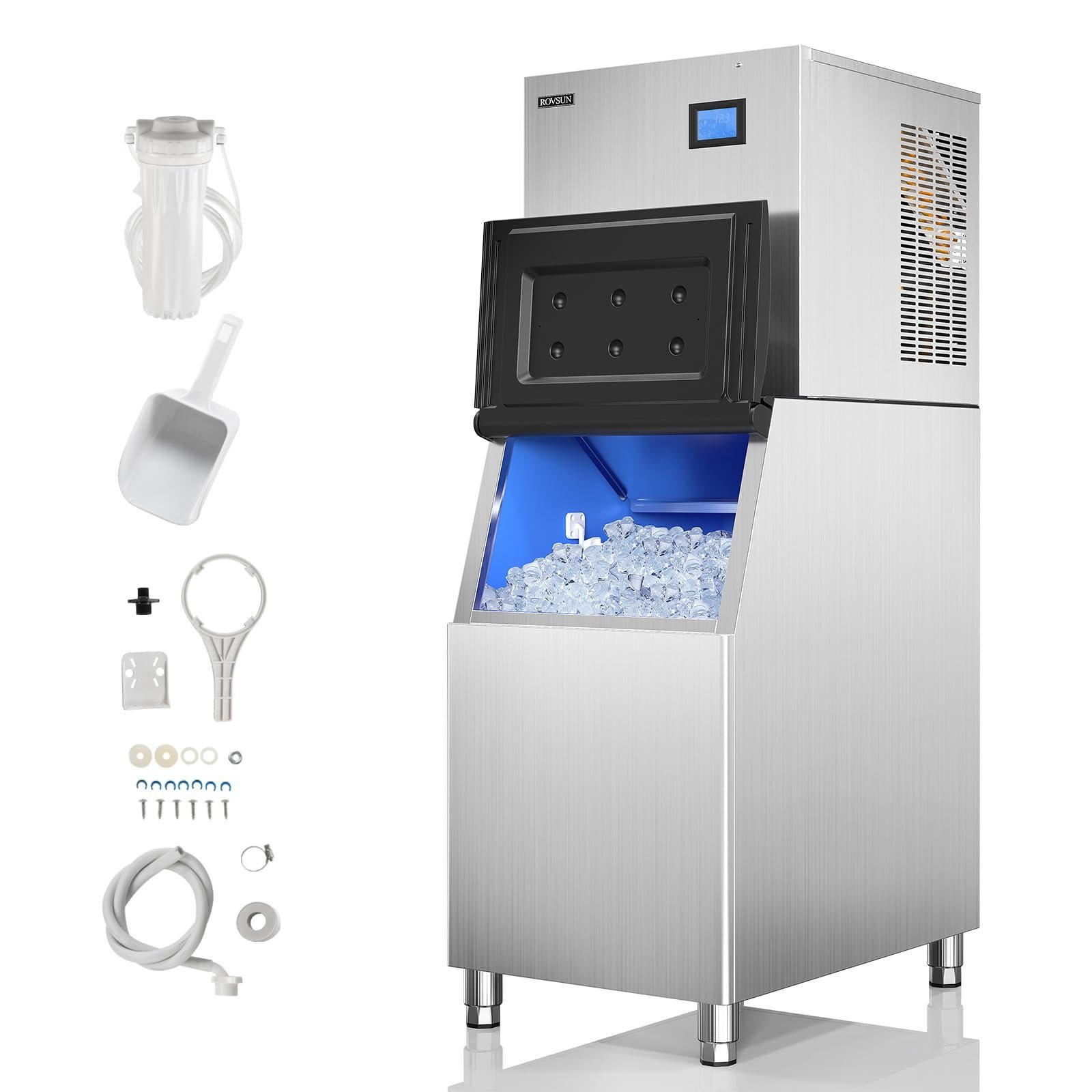
If your machine stops producing, start with these common culprits:
- Mineral Buildup: Hard water can clog the water pump or the spray bar.
- Sensor Malfunction: A dirty bin sensor may tell the machine it’s full when it’s actually empty.
- Poor Ventilation: If the unit is in a tight cupboard, it can’t dissipate heat, causing it to shut down.
Frequently Asked Questions
Do I need a floor drain?
Most commercial and high-end built-in ice machines require a gravity-fed floor drain to remove excess meltwater. If you can’t install a floor drain, you may need a unit with a built-in drain pump, which pushes the water through a smaller tube to a nearby sink or utility line.
How often should I clean it?
You should perform a deep cleaning and descaling of your ice machine at least every six months. If you live in an area with particularly hard water, you may need to clean the internal components every three months to prevent mineral deposits from damaging the evaporator plate or the water pump.
Can I use distilled water?
It’s generally not recommended to use distilled water in standard ice machines. Many machines rely on the mineral content in the water to complete the electrical circuit for the bin-full sensor. Using pure distilled water can cause the machine to malfunction or fail to detect when the bin is full, leading to overflows.
Why is my ice cloudy?
Cloudy ice is typically caused by trapped air bubbles or dissolved minerals in the water supply. While it’s perfectly safe to consume, you can improve clarity by using a high-quality water filtration system or by choosing a machine that utilizes a freezing process designed to agitate the water, which helps release air before it freezes into the cube.
Does ice have an expiration date?
While ice doesn’t technically expire, it can absorb odors and flavors from your freezer or storage bin over time. If the ice has been sitting in a residential bin for more than two weeks, it’s best to dump the old batch, sanitize the bin, and allow the machine to start a fresh production cycle.
To ensure you get the best performance, take a moment to check your water supply lines for any signs of sediment or leaks. If you’re installing a new unit, consult your local building codes to verify if a certified plumber is required for the water connection. Once installed, prioritize a regular cleaning schedule to keep your ice fresh and your machine running efficiently for years.