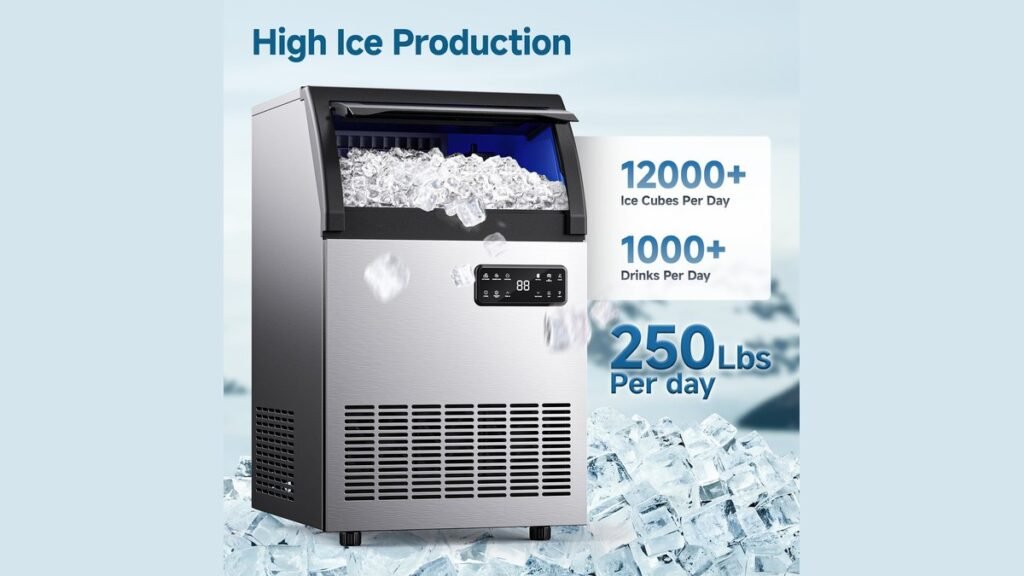
Using an ice machine effectively requires understanding your specific model’s water source, power requirements, and maintenance cycle to ensure a steady supply of clean, high-quality cubes. Whether you’re operating a portable countertop unit or a heavy-duty commercial system, the fundamental process involves priming the reservoir, selecting your desired ice density, and maintaining a strict cleaning schedule to prevent mineral buildup and bacterial growth. By following the manufacturer’s specific operational sequence, you can avoid common mechanical failures and ensure your machine functions reliably for years.
Key Takeaways
- Always use filtered or distilled water to extend the lifespan of internal components.
- Allow the machine to sit upright for at least four hours before the first use.
- Clean the evaporator and condenser coils every three to six months to maintain efficiency.
- Ensure proper ventilation around the unit to prevent overheating during high-output cycles.
- Discard the first batch of ice after cleaning to flush out residual sanitizing agents.
How to use a ice machine
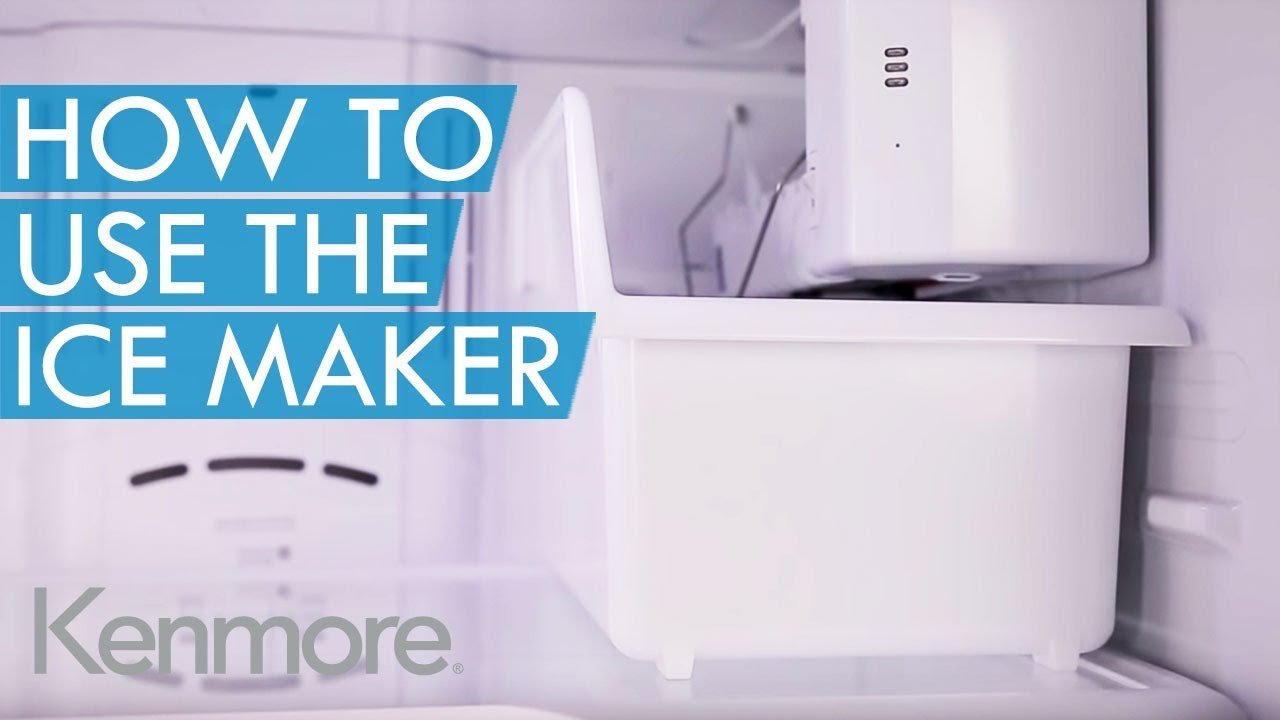
Operating a portable ice maker is a straightforward process that begins with placement on a level surface. First, fill the water reservoir to the indicated “Max” line using fresh, cold water. Plug the unit into a grounded outlet and press the power button. Select the desired cube size—usually small, medium, or large—using the control panel. The machine will begin the freezing cycle, which typically takes between six to fifteen minutes depending on the ambient temperature. Once the basket is full, the sensor will automatically stop the process.
Essential operating steps
| Step | Action Required | Details |
|---|---|---|
| 1 | Leveling | Ensure the unit is on a flat, stable surface. |
| 2 | Priming | Add water to the fill line and power on. |
| 3 | Selection | Choose cube size via the digital interface. |
| 4 | Harvesting | Remove ice to the freezer for storage. |
Why is my ice machine noisy?
Excessive noise often points to mechanical issues or improper installation. If you hear a grinding sound, check for debris caught in the ice shovel or the water pump. A rattling noise frequently suggests that the unit isn’t sitting level, causing internal parts to vibrate against the casing. If the compressor makes a loud hum, ensure the unit has at least six inches of clearance on all sides for airflow. Compressor health is vital for cooling efficiency, so keeping the area clear prevents the motor from overworking during standard operation.
Maintenance and cleaning cycles
Regular sanitation is non-negotiable for food safety. The FDA Food Code provides comprehensive guidelines on maintaining equipment that comes into contact with ice. To clean your machine, create a solution of one part white vinegar to ten parts water. Run this through a full cycle, then discard the ice. Follow this with two cycles of fresh, clean water to remove any vinegar residue. Sanitization schedule adherence prevents the accumulation of scale, which can block water lines and damage the pump.
Choosing the right water source
Using tap water is common, but it often contains high mineral content that leads to lime scale buildup. If your local water supply is “hard,” consider using a dedicated water filter. This simple addition significantly reduces the frequency of deep cleaning required. Water quality directly impacts the taste of your ice and the longevity of the evaporator plates.
Troubleshooting common errors
| Issue | Potential Cause | Fix |
|---|---|---|
| No Ice Produced | Clogged pump or low water | Clean pump and refill reservoir |
| Soft, Wet Cubes | High ambient temperature | Increase ventilation or relocate unit |
| Machine Won’t Start | Power or sensor failure | Check outlet and wipe sensors |
How to store machine-made ice
Once the machine produces a batch, don’t leave it sitting in the basket for extended periods. Most portable units aren’t insulated well enough to act as long-term freezers. Transfer the ice to a dedicated bin or bag and store it in your freezer. This prevents the cubes from melting and refreezing into a single, unusable block. Ice storage bags are an excellent way to maintain freshness and prevent the absorption of odors from other food items stored in your freezer.
Warning: Electrical safety protocols
Warning: Never operate an ice machine with a damaged power cord or a frayed plug. Ensure your electrical outlet is properly grounded to prevent shock hazards, especially since water and electricity are in close proximity within the unit. If you notice any signs of electrical burning or smell ozone, disconnect the power immediately and contact a qualified service technician to inspect the internal wiring.
Frequently Asked Questions
How long does an ice machine take?
Most portable models produce their first batch of ice in seven to fifteen minutes. The exact time depends on the ambient room temperature and the initial temperature of the water. If the room is very warm, the cooling cycle will take longer to reach the freezing point. Always ensure the unit has adequate ventilation to keep the cycle times short and efficient.
Can I use tap water?
Yes, you can use tap water, but it isn’t recommended if your water is hard. Hard water contains minerals that create scale, which can clog internal pumps and coat the evaporator plates. If you live in an area with hard water, using filtered or distilled water will significantly improve the taste of your ice and extend the service life of your machine.
Why do my cubes look cloudy?
Cloudy ice is caused by trapped air bubbles and minerals freezing within the water. As water freezes from the outside in, impurities are pushed toward the center, creating a white or cloudy appearance. While this is perfectly safe to consume, you can achieve clearer ice by using purified or distilled water and ensuring your machine is running at a consistent, cool temperature.
How often should I clean it?
For residential use, you should perform a deep cleaning at least every three to six months. If you use your machine daily or have hard water, you may need to clean it more frequently. Keeping the internal components free of scale and bacteria is essential for maintaining the quality and safety of your ice supply throughout the year.
What is the ideal room temperature?
Ice machines operate best in environments between 50°F and 90°F. If the room temperature exceeds 90°F, the machine will struggle to maintain the necessary cooling capacity, leading to longer cycle times and smaller, softer ice cubes. Placing the unit in a cool, shaded area away from direct sunlight or heat sources like ovens will result in the highest output.
Start by placing your unit on a flat surface away from direct heat sources and filling it with fresh, filtered water. After allowing it to settle for four hours, power it on and monitor the first cycle. If you encounter any issues, refer to your manual’s troubleshooting section, then establish a recurring cleaning calendar to ensure your ice remains clean and your machine lasts for years.