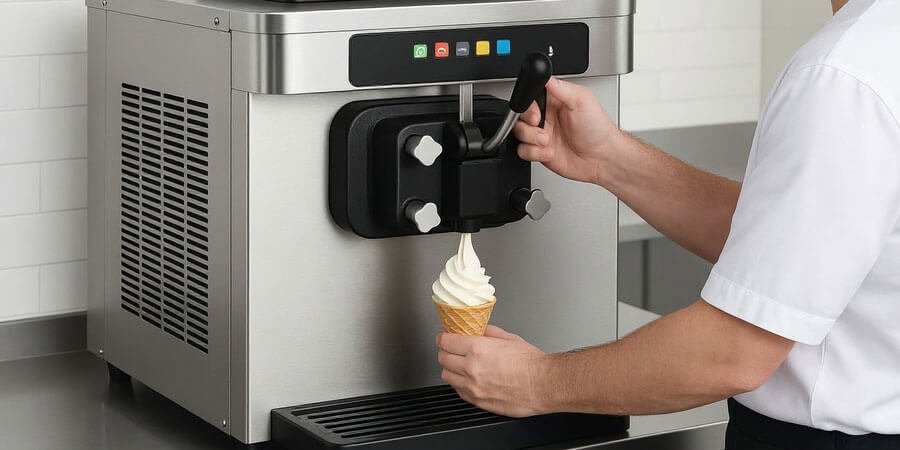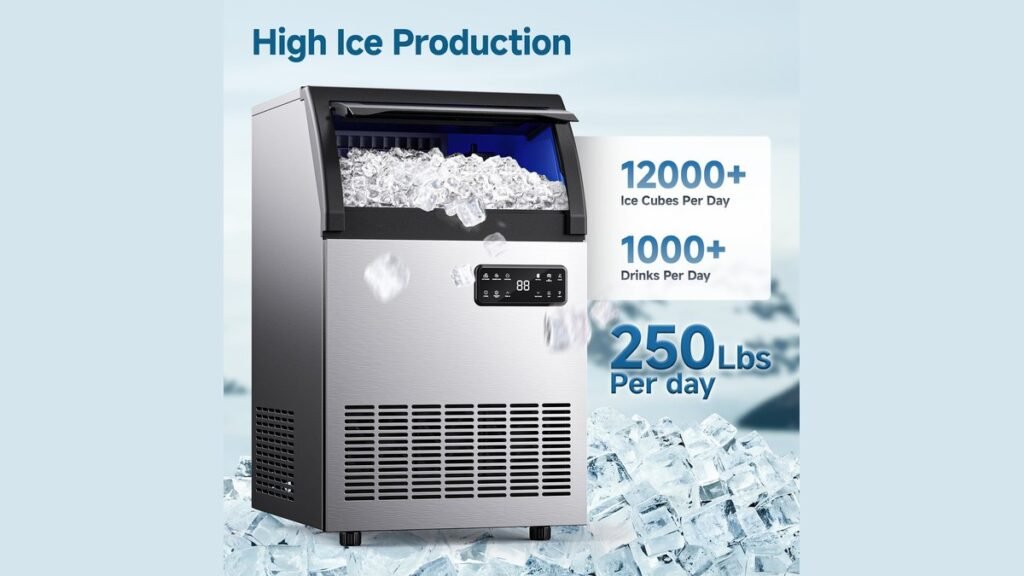
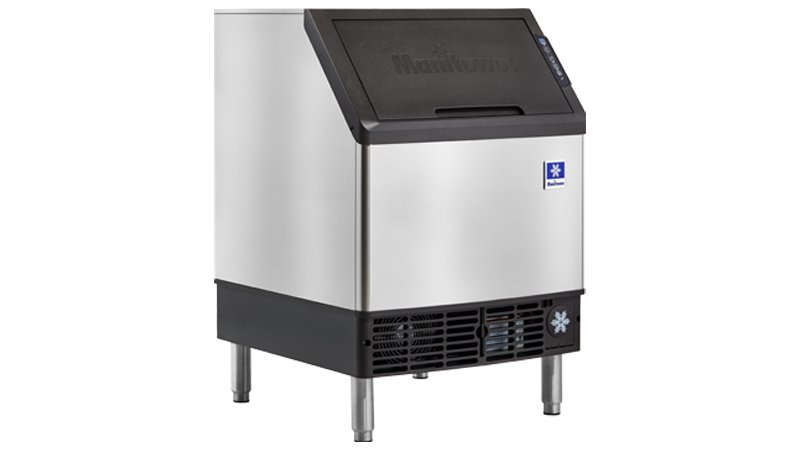
An ice machine is a mechanical appliance designed to automatically produce, harvest, and store ice in various shapes and sizes for food preservation, chilling beverages, or medical cooling. These units range from compact countertop models producing a few pounds per day to massive industrial systems capable of generating tons of ice for commercial food service, hospitality, and construction sectors.
Key Takeaways
- Assess your daily volume requirements before selecting a specific model size.
- Prioritize units with ENERGY STAR certified ratings to reduce long-term electricity costs.
- Choose between air-cooled or water-cooled units based on your facility’s ventilation capacity.
- Implement a routine cleaning schedule to prevent mold and mineral scale buildup.
- Ensure your water source is filtered to improve ice clarity and machine longevity.
Understanding the Ice Machine
An ice machine functions by circulating water over a refrigerated metal plate or into molds where it freezes into solid cubes, flakes, or nuggets. Once the ice reaches the desired thickness, the machine initiates a harvest cycle, typically by warming the evaporator briefly, causing the ice to release into a storage bin. Internal cooling components must be maintained to ensure the refrigeration cycle remains efficient and produces consistent results.
Selecting the Right Ice Type
Different applications require specific ice shapes, each affecting how quickly a drink cools or how it presents in a glass.
| Ice Type | Best Use Case | Melt Rate |
|---|---|---|
| Cube | Mixed drinks and sodas | Slow |
| Nugget | Soft drinks and smoothies | Fast |
| Flake | Seafood display and medical | Very fast |
| Gourmet | High-end cocktails and spirits | Very slow |
Comparing Cooling Methods
The method used to dissipate heat from the compressor significantly affects the machine’s efficiency and installation requirements. Air-cooled machines rely on fans to blow air over a condenser coil; they’re easier to install but require significant clearance for airflow. Water-cooled machines use water to pull heat away from the condenser, making them ideal for tight spaces or hot environments, though they consume more water.
Installation and Plumbing Requirements
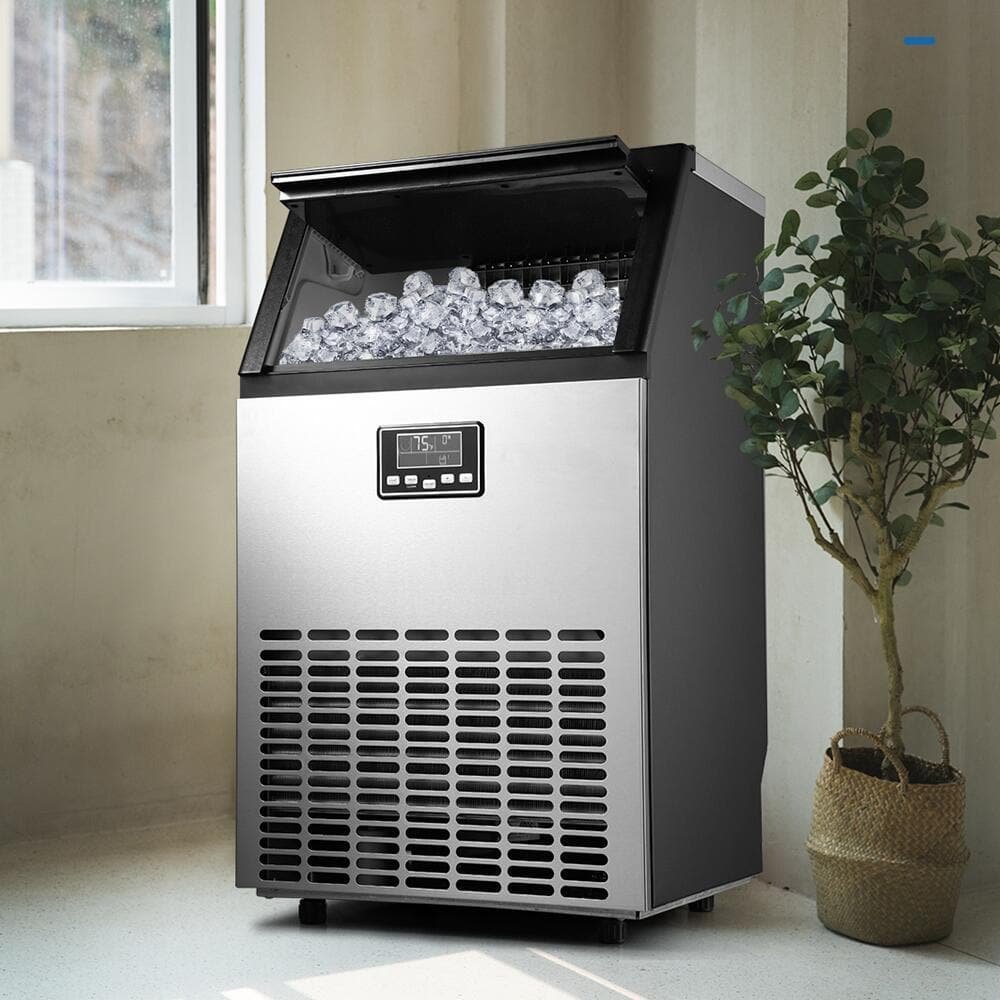
Proper installation is the most critical factor for longevity. Most machines require a dedicated electrical circuit, a floor drain for the melt-water, and a high-quality water supply line. Water filtration systems are essential in many regions to remove sediment and chlorine, which can ruin the taste of the ice and cause premature failure of the internal valves and pumps.
Maintenance and Cleaning Schedules
Neglecting hygiene leads to bacteria growth and mechanical failure. You should sanitize the bin and wipe down surfaces weekly, while performing a deep descaling of the evaporator and water distribution tubes every six months. Scale buildup removal is vital because mineral deposits act as insulators, forcing the compressor to work harder, which drastically increases your utility bills and shortens the life of the motor.
Troubleshooting Common Issues
When your machine stops producing ice, start by checking the power supply and water pressure. If the unit is running but not freezing, the air vents might be obstructed, or the refrigerant levels could be low. Diagnostic error codes often appear on modern digital displays, identifying specific sensor failures or harvest cycle interruptions that require professional technical intervention to resolve safely.
Factors Affecting Overall Cost
The price of an ice machine varies based on production capacity, material quality, and integrated features. Entry-level portable countertop units typically cost between $100 and $300. Commercial under-counter units range from $1,500 to $4,500, while large-scale modular systems designed for high-volume restaurants or hotels can range from $5,000 to $12,000.
Popular Manufacturers and Brands
When investing in equipment, selecting reputable manufacturers ensures that replacement parts remain available for years.
- Hoshizaki
- Manitowoc
- Scotsman
- Ice-O-Matic
- Follett
How Does Ice Quality Vary?
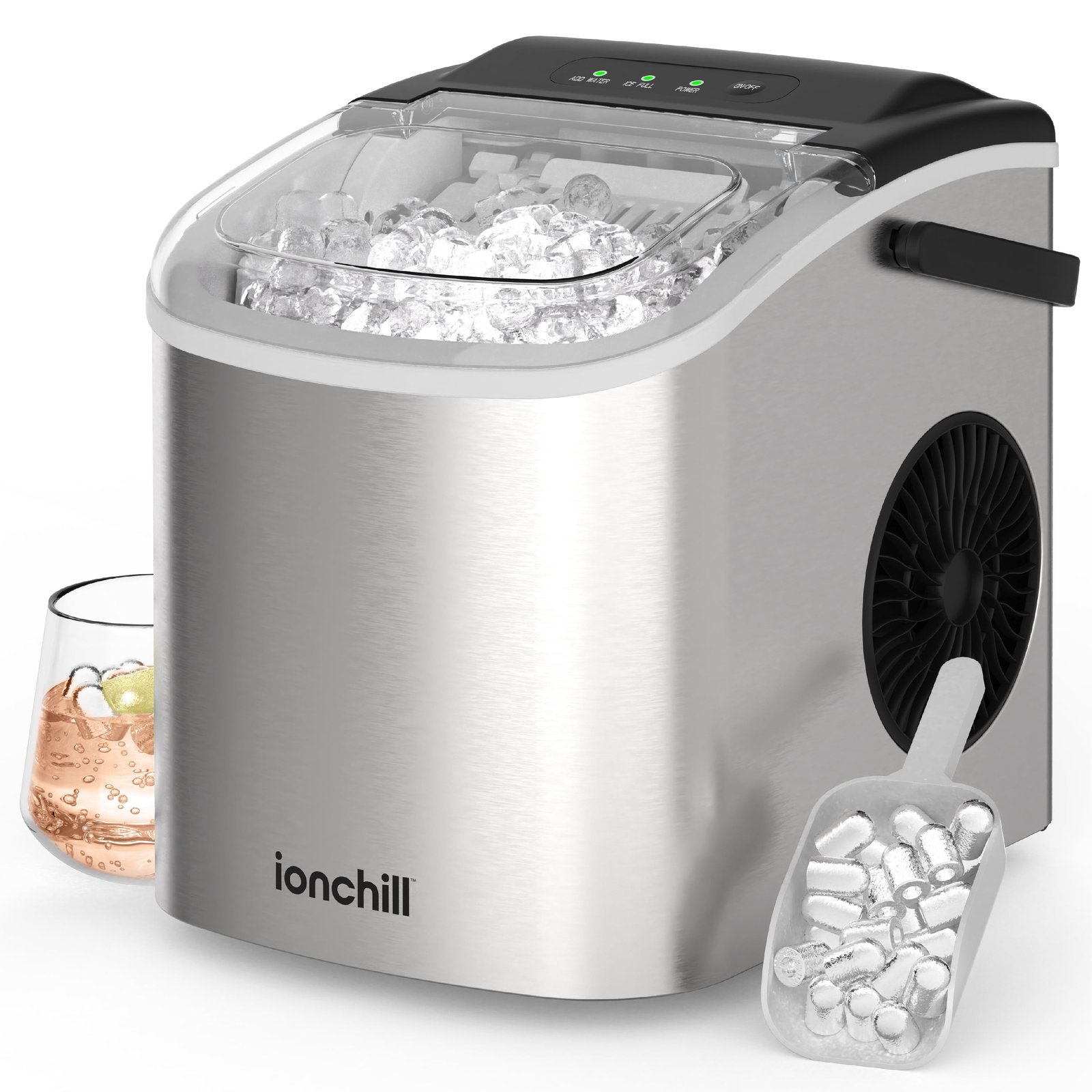
Water purity directly dictates the final taste and clarity of your ice. High mineral content, often called hard water, results in cloudy ice that can alter the flavor profile of beverages. Reverse osmosis systems can be integrated to ensure that the water used is free from impurities, resulting in crystal-clear, tasteless ice that doesn’t compromise the quality of premium spirits or high-end dining presentations.
Related guides
- What Is an Ice Maker: How These Cooling Appliances Work
- How Do Commercial Ice Machines Work: The Cooling Process
- Where Can I Buy Ice Maker Machines: Retailer Guide
Frequently Asked Questions
How often should I clean the machine?
You should perform a basic wipe-down of the storage bin and exterior weekly to prevent surface mold. A comprehensive deep cleaning, which involves descaling the water system and sanitizing the internal components, should be performed at least every six months. If your water source has high mineral content, you may need to increase the frequency of descaling to prevent component damage.
Why is my ice tasting strange?
Strange flavors usually stem from two sources: dirty internal components or poor-quality water. If the machine hasn’t been cleaned recently, mold or slime may be present in the water lines. Alternatively, if the water filter is expired, it’s no longer removing chlorine or sediment. Replace your filter cartridge and perform a full sanitization cycle to eliminate off-tastes.
Can I install this in a closet?
Air-cooled machines require significant clearance, typically six to twelve inches on the sides and back, to function correctly. If you install an air-cooled unit in a confined closet, the machine will trap its own heat, causing it to overheat and fail. If you have limited space, you must choose a water-cooled model or provide active ventilation.
What is the harvest cycle?
The harvest cycle is the specific phase where the machine releases the frozen ice from the evaporator plate into the bin. During this time, the unit briefly warms the evaporator, allowing the ice to slide off. If the machine is stuck in this phase or fails to release the ice, it usually indicates a problem with the harvest sensor or water temperature.
Do I need a floor drain?
Yes, almost all commercial ice machines require a dedicated floor drain. Because ice naturally melts over time, the bin must be able to shed excess water to prevent standing water, which promotes bacteria growth. Even if you use a pump, the discharge line must eventually terminate into a proper drainage point that complies with local building and health department codes.
Evaluate your specific needs regarding daily volume and available space, then contact a local commercial kitchen equipment supplier to request a quote for a unit that fits your budget. Once you have purchased your machine, ensure you register the warranty and schedule a professional installation to guarantee that your new system operates at peak efficiency for many years to come.