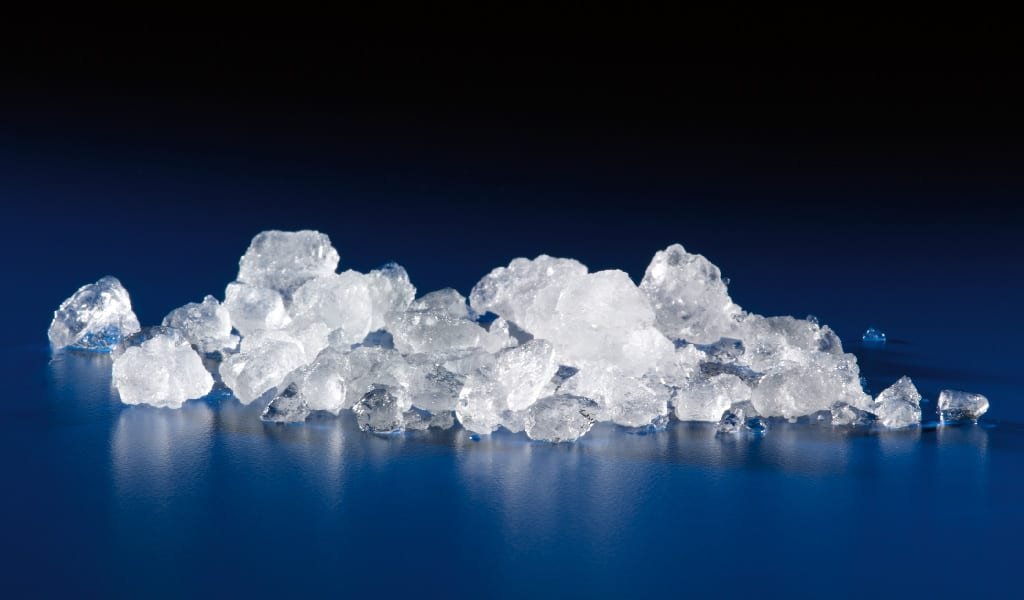
Flake ice is a specialized form of ice characterized by its soft, thin, and flat structure, which is primarily used to provide rapid cooling and delicate preservation for temperature-sensitive goods. Unlike hard, cubed ice that has a low surface area, flake ice offers a high surface-to-volume ratio, allowing it to mold closely around irregular shapes. This makes it the gold standard for industries that require consistent, gentle refrigeration without the risk of physical damage to the product being cooled.
Key Takeaways
- Flake ice cools products faster than cubed ice due to its high surface contact.
- The soft texture prevents bruising on delicate items like fish, produce, and medical samples.
- It flows like a liquid, making it ideal for filling gaps in display cases or shipping containers.
- Commercial flake ice machines are designed for efficiency, often producing ice at temperatures near 32°F.
- Always ensure your ice production meets FDA food safety guidelines to prevent contamination in food service environments.
What Is Flake Ice Used For?
The primary application for this ice type is the preservation of perishable goods. Because the individual flakes are thin, they don’t have sharp edges that could puncture the skin of fish or the leaves of leafy greens. In the food industry, this is known as “cold-chain maintenance.” By packing items in a bed of flake ice, retailers ensure that the product remains at a safe temperature while maintaining a visually appealing, moist presentation that prevents dehydration of the stock.
Why Use Flake Over Cubed?
Choosing the right ice depends on your specific cooling goals. Cubed ice is best for beverages because it melts slowly and doesn’t dilute drinks as quickly. Flake ice, however, is meant for contact cooling.
| Feature | Flake Ice | Cubed Ice |
|---|---|---|
| Surface Area | Extremely High | Low |
| Cooling Speed | Instantaneous | Gradual |
| Texture | Soft/Malleable | Hard/Solid |
| Best Use | Preservation/Display | Beverages |
Applications in Commercial Fishing
In the seafood industry, flake ice is essential for maintaining the quality of a catch from the boat to the market. The flakes provide a “blanket” effect, covering the entire surface of the fish. This creates a uniform temperature environment that slows bacterial growth significantly. Because the ice is so soft, it doesn’t leave indentations or damage the flesh of the fish, which is critical for maintaining high market value and premium quality standards.
Medical and Laboratory Uses
Beyond food, flake ice is a staple in medical settings. It’s frequently used for the rapid cooling of blood samples, vaccines, and chemical reagents. When a researcher needs to drop the temperature of a solution instantly, adding a scoop of flake ice provides the necessary thermal exchange without the mechanical shock of larger, harder ice chunks. It’s also used in physical therapy to create an ice pack that conforms perfectly to a patient’s joint or muscle injury.
Enhancing Retail Displays
Supermarkets and high-end grocers use flake ice to create enticing displays. The ice acts as a bright, clean foundation that makes colors pop. Whether it’s a display of fresh oysters, shrimp, or farm-fresh vegetables, the ice keeps the produce hydrated and crisp.
Pro Tip: Always use an ice machine with an integrated water filter to ensure the flake ice remains clear and odorless, as impurities can affect the taste and shelf life of the items you’re cooling.
Industrial and Manufacturing Processes
In heavy industry, flake ice is used to manage heat during chemical reactions or industrial mixing processes. For example, in large-scale baking or concrete mixing, the addition of ice helps control the temperature of the mixture, preventing the ingredients from overheating or setting too quickly. This precise temperature control is vital for ensuring the final product meets structural or culinary requirements.
Troubleshooting Your Ice Production
If your machine is failing to produce quality flakes, check these common variables to restore operation quickly.
- Water Supply: Ensure the pressure is within the manufacturer’s specified range.
- Evaporator Issues: Check for mineral buildup that might be insulating the freezing surface.
- Refrigerant Levels: Low levels can cause the ice to come out slushy rather than firm.
- Ambient Temperature: Excessive room heat can overwhelm the condenser, leading to poor output.
Selecting the Right Equipment

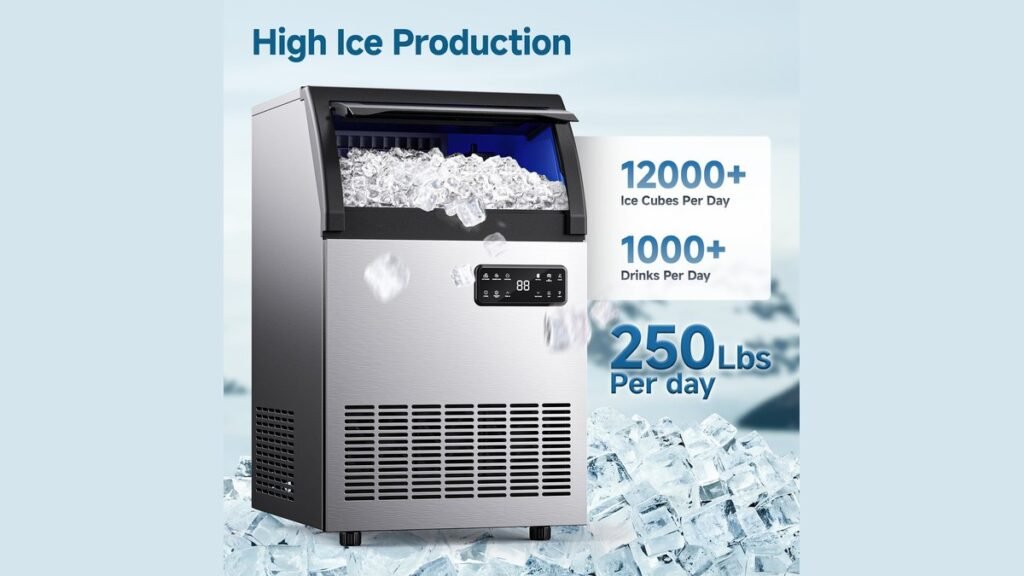
When purchasing a machine, consider the daily output requirements of your business. You must balance the cost of the unit against the volume of ice needed to keep your inventory safe.
| Machine Type | Capacity (lbs/day) | Typical Price Range |
|---|---|---|
| Under-counter | 100 – 300 | $2,500 – $4,500 |
| Modular Unit | 500 – 1,200 | $5,000 – $9,000 |
| Industrial Tower | 1,500 – 3,000+ | $10,000 – $25,000 |
Warning: Never attempt to repair the internal cooling coils or refrigerant lines of a commercial ice maker yourself, as these systems contain pressurized gases that can cause severe injury if handled improperly.
Frequently Asked Questions
Is flake ice safe to consume in drinks?
Yes, flake ice is safe to consume provided the machine is cleaned and sanitized regularly. However, because it has a high surface area, it melts very quickly in liquids. Most people prefer hard cubes for drinks, but some specialty cocktails use flake ice for its unique texture and rapid chilling properties. Always verify that your machine is designated for food-grade ice production.
How does flake ice stay fresh?
Flake ice itself is simply frozen water, but it can accumulate bacteria if the machine’s bin isn’t kept clean. To maintain quality, empty and sanitize the storage bin at least once per week. Use food-grade cleaners approved for ice machines to ensure that the ice remains sanitary for contact with food products or medical items.
Can I make flake ice at home?
It’s difficult to produce true flake ice at home without a specialized machine. While you can crush regular ice in a heavy-duty blender, it won’t have the same soft, thin consistency as machine-produced flakes. If you need it for food display, a commercial-grade countertop flake ice maker is the only reliable way to achieve the correct texture and consistent volume.
Why is my flake ice clumping together?
Clumping usually occurs when the ice bin isn’t cold enough or if the ice is too wet. If the machine is working correctly, check the drainage system to ensure excess water is being removed from the bin. If water sits at the bottom of the bin, it will cause the flakes to refreeze into a solid mass.
What is the ideal temperature for flake ice?
Flake ice is typically produced at approximately 32°F. Unlike cubed ice, which is often sub-cooled to prevent sticking, flake ice is designed to be “wet” and malleable. This state allows it to mold around items immediately upon contact. The specific temperature can fluctuate slightly depending on the machine settings and the ambient air temperature of your work environment.
To get started, assess your daily cooling needs by calculating the total weight of the products you need to keep chilled over a 24-hour period. Once you have an estimated poundage, look for a machine that matches that capacity while fitting into your available physical footprint, ensuring you prioritize models with easy-to-clean components for long-term operational success.