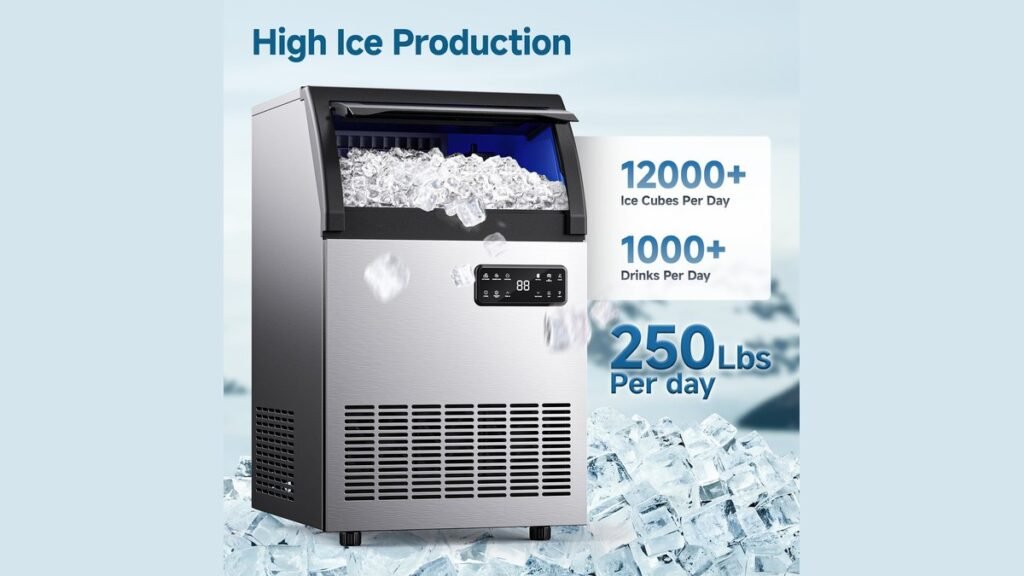
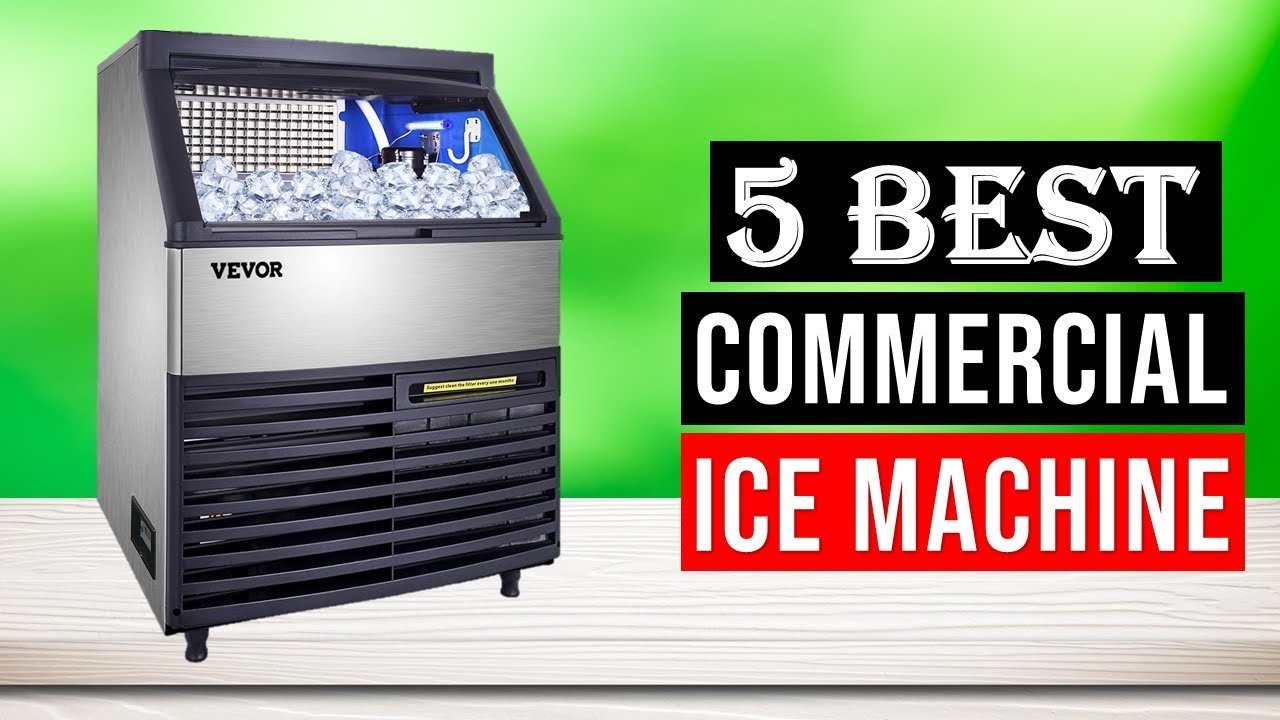
The Manitowoc Indigo NXT series is widely considered what the best commercial ice maker is for high-volume operations. This model succeeds because it balances energy efficiency with reliable production rates, though your specific choice depends on your daily volume and local water quality.
Selecting the best commercial ice maker
- Daily output: Choose a machine that produces at least 15% more ice than your average daily peak consumption.
- Ice shape: Select half-dice for soft drinks or full-dice for cocktails, as they melt at different rates.
- Condenser type: Air-cooled units are standard, but use water-cooled models if your kitchen ambient temperature exceeds 90°F.
- Space requirements: Ensure 6 inches of clearance on all sides for air circulation to prevent overheating and compressor failure.
- Water filtration: Install a dedicated system to prevent scale buildup, which is the leading cause of mechanical breakdowns in these units.
Why commercial ice machines fail
The primary reason these machines lose performance is mineral buildup from hard water, which coats the evaporator plate and slows heat transfer. According to the FDA Food Code, ice must be handled as food, meaning the machine’s internal components must remain sanitary and free of scale to prevent bacterial growth. When calcium deposits accumulate, the sensor can’t accurately detect the ice thickness, leading to irregular cycles or total system shutdown.
Beyond water quality, airflow restriction is a frequent cause of inefficiency. If the condenser coils are blocked by dust or poor placement, the motor works harder to reach freezing temperatures, leading to shorter lifespans. This isn’t for a business that can’t commit to a regular cleaning schedule, as neglected machines quickly lose their cooling capacity and energy efficiency ratings.
Factors affecting your machine selection
| Variable | Impact on choice | What to do instead |
|---|---|---|
| High ambient heat | Overheats air-cooled units | Choose a water-cooled machine |
| Small kitchen floor | Limits unit footprint | Use a modular top-mount unit |
| High mineral water | Causes scale buildup | Install a reverse osmosis system |
| Low electricity budget | Increases operating costs | Pick an Energy Star certified unit |
| Heavy peak demand | Causes ice shortages | Add an external storage bin |
How to maintain your equipment
- Turn the machine off and drain the water reservoir completely to prevent sediment from settling during the cleaning cycle.
- Remove the front panel and use a food-grade nickel-safe cleaner to wipe down the evaporator plate and water trough.
- Scrub the ice bin with a mild detergent and sanitize it with a solution containing 100 parts per million of chlorine.
- Vacuum the condenser coils monthly to remove dust, as this improves airflow and prevents the compressor from overheating during peak hours.
- Replace the water filter cartridge as needed based on usage and the manufacturer’s guidelines to maintain optimal flow rates and keep the internal components free of scale.
- Check the ice thickness sensor for buildup; if it’s cloudy, wipe it with a soft cloth to ensure accurate harvest timing.
The mistakes that ruin your machine
- Ignoring regular descaling: Failing to descale regularly leads to permanent pitting on the evaporator plate.
- Poor ventilation: Placing the unit in a tight, unventilated closet forces the compressor to run constantly, significantly shortening its life.
- Using standard water: Skipping a filtration system will void many manufacturer warranties within the first year of operation.
- Overloading the bin: Pushing ice into the machine’s sensor area causes the unit to stop producing prematurely, wasting electricity.
Frequently asked questions
How long does a commercial ice maker last?
A well-maintained commercial ice maker typically lasts 7 to 10 years, assuming the water filter is replaced according to the owner’s manual based on usage. If you operate in an area with extremely hard water or fail to clean the condenser coils, expect this lifespan to drop by half.
Is it safe to use tap water for my ice maker?
It’s generally safe for consumption, but you must use a commercial-grade filtration system to protect the machine from mineral damage. Without a filter, scale will coat the evaporator plate, which creates a rough surface where bacteria can easily hide and multiply.
How much ice do I need per person?
You should plan for 1 pound of ice per person for a standard restaurant setting, or 2 pounds per person if you serve a high volume of cocktails. If your business is in a hot climate, increase this estimate by 20% to account for faster melting.
What happens if I don’t clean the condenser?
The machine will work harder to remove heat, which increases your electricity bill and eventually causes the compressor to fail. You can tell if the condenser needs cleaning by checking if the unit runs significantly longer than its rated cycle time.
Does the ice shape affect the machine performance?
The shape doesn’t change the machine’s cooling capacity, but it dictates the harvest cycle speed. Larger cubes require a longer freezing time, while thinner “half-dice” or “flaked” ice harvests faster, which is better if your business has very high, constant demand.
How often should I sanitize the ice bin?
You must sanitize the bin according to local health department regulations and manufacturer guidelines. Check the interior for any slime or discoloration, as these are immediate signs that you need to sanitize the unit today.
Conclusion
If you find that your machine isn’t reaching the desired temperature or the ice is coming out cloudy, don’t attempt to adjust the internal thermostat or refrigerant lines yourself. These are precision-calibrated components that require a certified refrigeration technician. Attempting to repair these parts without proper training will likely void your warranty and could lead to expensive, permanent damage to the compressor.
Related guides