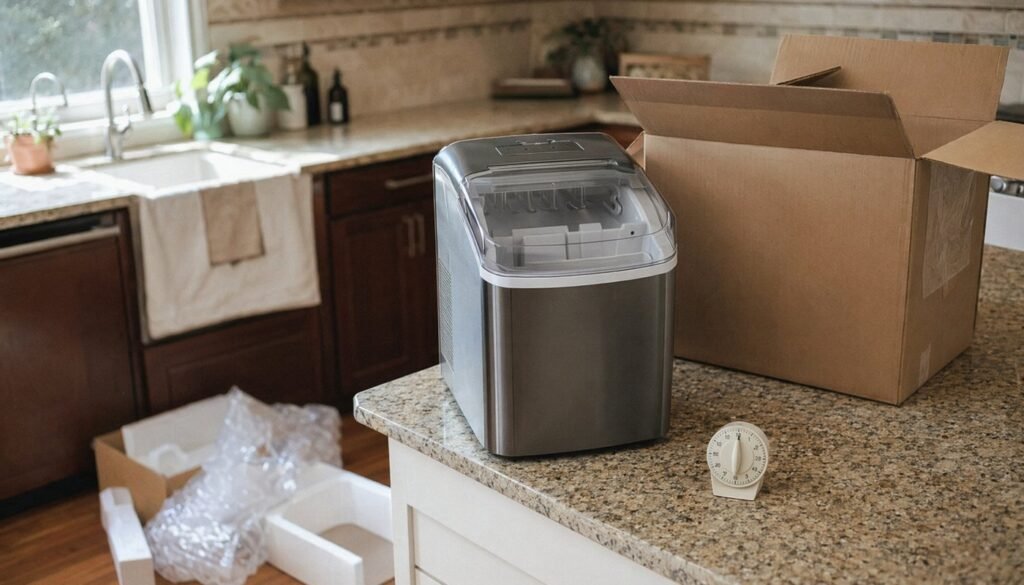
The Scotsman CU50 is widely considered the best under counter ice maker for residential use because of its consistent cube quality and durability. This assumes a standard 15-inch width; for wider commercial units, you’ll need to adjust your cabinet space.
The short version
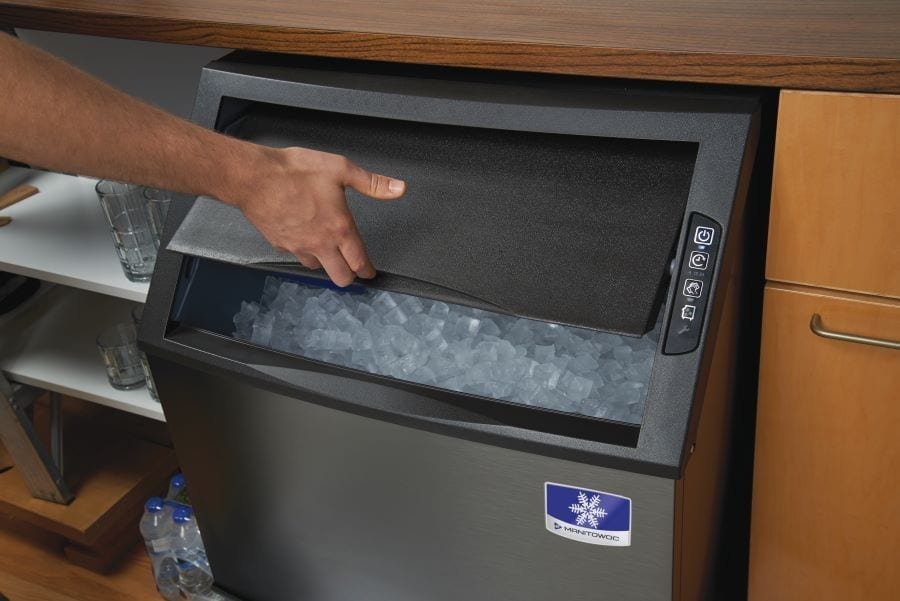
- Choose a model that offers lower electricity and water usage during daily operation.
- Measure your cabinet opening height, width, and depth exactly; most units require at least 1/4 inch of clearance on all sides for ventilation.
- Confirm your home water line pressure is between 20 and 80 PSI, as most residential water inlet valves require this range to function correctly.
- Select a gravity drain model if your floor drain is lower than the unit; use a pump model if you must push water upward.
- Plan for professional installation if you lack experience with plumbing connections, as improper seals lead to slow leaks that ruin subflooring.
- Check the bin capacity against your daily usage; a standard 25-pound storage bin suffices for four people, but larger households need higher bins.
Why reliable ice makers matter
Mineral buildup is the primary reason these machines often fail prematurely. An under counter ice maker operates by spraying water over a freezing evaporator plate. If the water supply has high mineral content, calcium builds up on the plate, which forces the machine to work harder to reach the target temperature. This process creates a trade-off between ice clarity and maintenance frequency; clearer ice requires a more complex filtration system that you must replace every six months.
If you have hard water, you must install a dedicated scale-inhibitor filter to protect the internal pump. Without this protection, the solenoid valves will eventually seize from mineral deposits. You can check your water hardness level using a simple test strip from a hardware store. Check the manufacturer’s manual for specific water hardness limits that may affect your warranty coverage. Check the manufacturer’s manual for specific water quality requirements.
When the answer is different

| Situation | What changes | What to do instead |
|---|---|---|
| High mineral water | Machine lifespan | Install scale filter |
| No floor drain | Gravity drainage | Use pump model |
| Limited depth | Cabinet fit | Choose slim unit |
| Outdoor bar | Temperature range | Buy outdoor-rated |
How to do it properly
- Clear the area and ensure the power outlet is located within 3 feet of the back of the unit for cord access.
- Connect the 1/4-inch copper or braided stainless steel water line to the unit’s intake valve using a wrench to ensure a tight, leak-free seal.
- Attach the drain hose to your house plumbing, ensuring the hose has a consistent downward slope of at least 1/4 inch per foot.
- Level the unit by adjusting the four feet at the bottom until the ice maker sits perfectly flat on your kitchen floor or cabinet base.
- Turn on the water supply valve slowly and check for any moisture around the connection points before you plug the power cord into the wall.
- Run the first two batches of ice through the machine and discard them to ensure the lines are clean before you start regular use.
The mistakes that ruin it
- Blocking the front ventilation grille causes the compressor to overheat, which can lead to premature compressor failure.
- Ensure the water supply line is installed without sharp bends or kinks, which can restrict flow.
- Ignoring the need for a water filter leads to scale buildup, which forces you to pay for expensive professional descaling services.
- Installing an indoor-only model in an outdoor kitchen voids the warranty and leads to rust on the exterior housing within one season.
Frequently asked questions
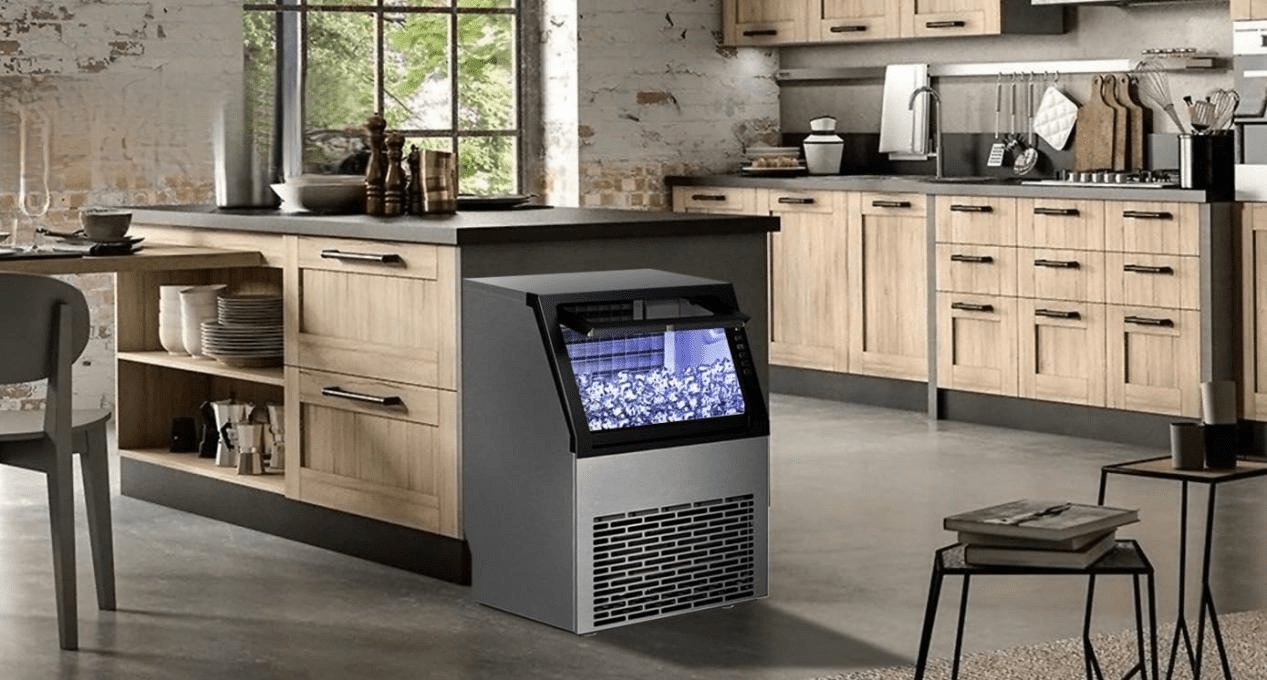
Can I install an ice maker myself?
Yes, you can perform the installation if you have basic plumbing tools and comfortable access to your home water lines. If you aren’t confident in your ability to seal a water connection, hire a licensed plumber to prevent costly water damage.
How long does it take to make ice?
About 20 to 30 minutes is the standard time for one batch to drop, depending on the ambient air temperature and water temperature. If the room is hotter than 80 degrees Fahrenheit, the cycle will take longer to complete.
Is it safe to leave it running?
Yes, these units are designed to run 24 hours a day and feature automatic sensors that stop production when the bin is full. You should empty the bin once a month to prevent the cubes from melting and sticking together.
What happens if the power goes out?
The machine will stop immediately and the existing ice will begin to melt into the drain. Once the power returns, most models will automatically restart the cooling cycle, but you should check the control panel for error codes.
Does it matter if I use filtered water?
Yes, filtered water significantly improves the taste of the ice and prevents mineral buildup on the evaporator plate. You should check the manufacturer’s documentation to see if they require a specific micron rating for the filter.
Why is my ice maker noisy?
About 40 to 50 decibels is normal for a residential unit, but loud clicking or grinding sounds usually indicate a failing pump. Check that the unit is level and not touching the side cabinets, as vibrations against wood can amplify the sound.
Final Thoughts
Choosing the right machine will transform your home entertaining, so take a moment to measure your kitchen cabinets carefully before you commit. Once you’ve confirmed the dimensions, you’ll be ready to enjoy perfectly chilled drinks whenever you’d like. It’s a simple upgrade that’ll make a big difference in your daily routine.