If you ask what is the ice machine called in hockey, the answer is a Zamboni, which is the vehicle used to smooth the rink.
What the hockey machine is called
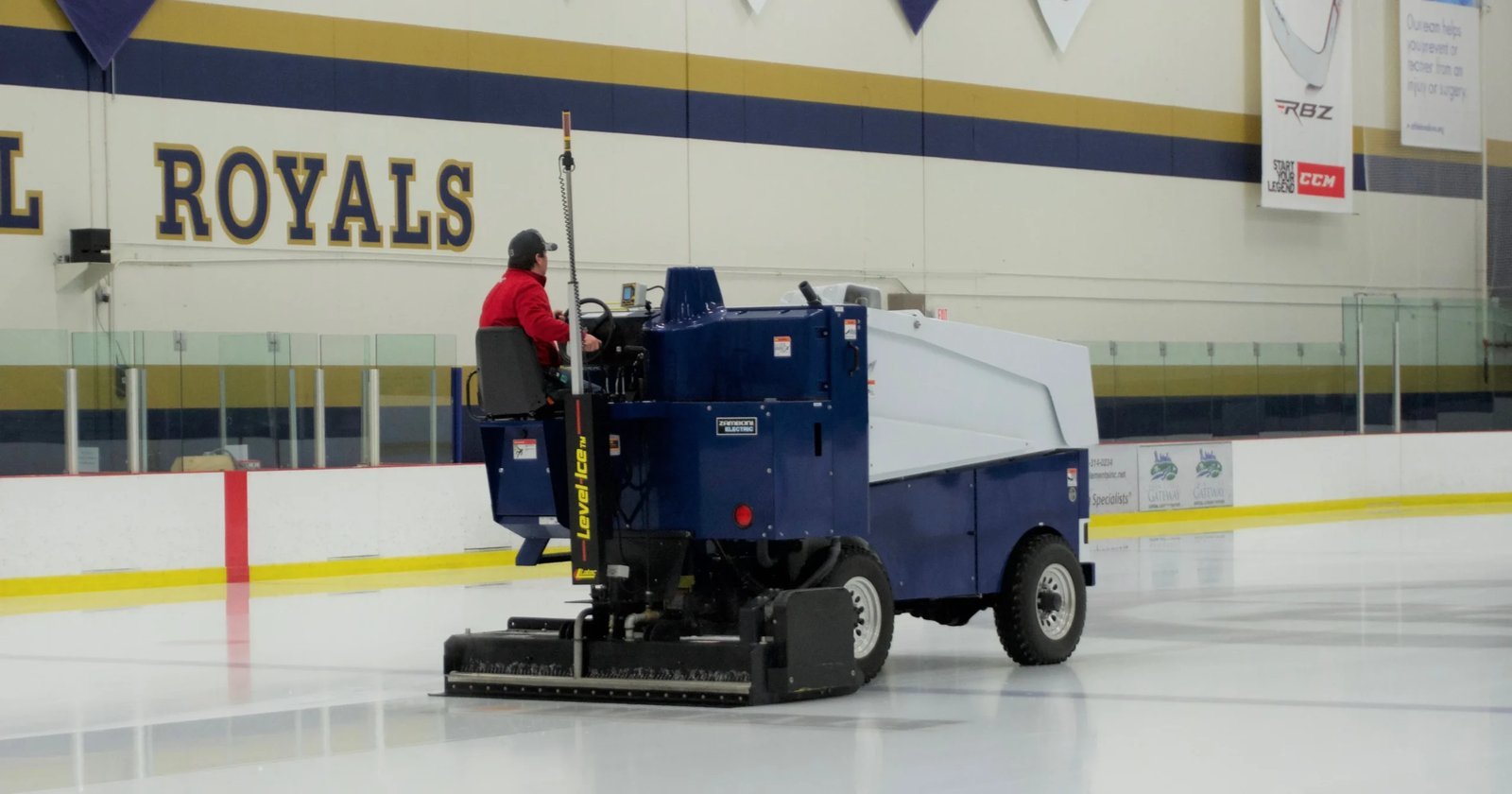
These machines shave rough ice, wash it with hot water, and spread a fresh layer for a smooth finish. This process creates the perfect surface for skating.
Ice Resurfacing Steps
- Drive the machine in overlapping rows across the ice, typically starting along the boards and working toward the center to ensure full coverage.
- Lower the conditioner blade to shave off exactly one-sixteenth of an inch of ice while the horizontal auger collects the shavings.
- Apply hot water at roughly 140 degrees Fahrenheit to melt the surface slightly, which helps the new layer bond to the old ice.
- Use the rear squeegee to spread the water evenly across the surface, filling in deep skate ruts.
- Exit the rink through the gate and empty the snow tank into a designated pit outside the arena.
Tip: If the water is too cold, the ice will look cloudy and brittle. Always check the Official Zamboni Company specifications for their recommended water temperatures to ensure a crystal-clear finish.
How long it takes

The total time depends on the size of the rink and the condition of the ice surface.
| Situation | How long | What changes it | What to watch for |
|---|---|---|---|
| Standard NHL Rink | 8–12 minutes | Ice temperature | Deep ruts |
| Small Practice Rink | 5–7 minutes | Blade sharpness | Uneven layers |
| Outdoor Rink | 15–20 minutes | Ambient wind | Frozen debris |
If the process takes over 20 minutes, the blade likely needs sharpening or replacement.
How to tell when it’s done
You’ll see a glossy finish that reflects arena lights across the surface. If you see white streaks or patches of rough ice, the water application was likely uneven. The final test is a smooth glide; if skates don’t catch on bumps, the surface is ready.
Mistakes that ruin it
- Driving too fast: Moving at high speeds prevents the water from settling evenly into the grooves. Keep the speed steady to ensure the water fills every gap properly.
- Using cold water: Cold water doesn’t melt the existing ice, meaning the new layer won’t bond correctly. Always use hot water to create a strong, solid sheet.
- Dumping snow inside: Leaving ice shavings near the gate creates dangerous mounds that can cause trips. Always dump the snow tank in the designated outdoor area.
Frequently asked questions
Can I drive an ice resurfacer without training?
No, you can’t operate one without specific training and local certification. These machines are heavy, complex vehicles, and improper use can cause serious injury or damage the expensive arena flooring.
Why is the water hot?
The water is hot because it slightly melts the top layer of old ice. This creates a physical bond between the old and new ice, preventing the surface from chipping.
How long does the ice last?
The ice lasts for several hours of play, but it usually needs resurfacing after every period. High-intensity games create deep ruts that require a fresh layer of water.
Is it safe to stand on the ice while the machine is running?
No, it’s never safe to stand on the ice while the machine is active. The driver has limited visibility, and the heavy equipment poses a major risk of collision.
What happens if the ice is too thick?
If the ice is too thick, the refrigeration system can’t keep it frozen properly. This leads to soft, mushy spots that slow down the game and increase energy costs.
Final Thoughts
Next time you’re at a game, try to catch a glimpse of the driver during the intermission. It’s fun to watch how they maneuver such a heavy machine with precision. You’ll appreciate the smooth surface even more once you’ve seen how much care goes into keeping the ice perfect for the players.
Related guides