Transitioning from dark, bitter coffee to a vibrant, fruit-forward cup can feel like a revelation, but finding the best light roast coffee for beginner’s palates requires understanding that acidity isn’t a negative trait. Many newcomers expect coffee to taste like charcoal or ash, but light roasts preserve the unique characteristics of the coffee cherry and the terroir where it was grown. Because these beans are roasted for a shorter time, they retain a dense, complex structure that demands a bit more attention during the brewing process. If you’re shopping for your first bag, expect to pay between $16.00 and $28.00 for a standard 12-ounce bag of high-quality specialty grade beans.
Key Takeaways
- Look for beans labeled with specific regions like Ethiopia, Colombia, or Kenya for distinct flavor profiles.
- Grind size is crucial; use a burr grinder to ensure particles are uniform for even extraction.
- Water temperature should be between 195°F and 205°F to properly dissolve the complex sugars in light roasts.
- Start with a simple pour-over or an immersion brewer to highlight the delicate floral and citrus notes.
- Light roasts are denser than dark roasts, so weigh your coffee using a digital scale for accuracy.
Why Choose a Light Roast?
Light roasts offer a sensory experience that dark roasts simply can’t replicate. While dark roasts are defined by the flavor of the roast itself—often smoky, nutty, or chocolatey—light roasts showcase the intrinsic coffee flavors.
You might encounter notes of jasmine, blueberry, lemon, or even stone fruit. These beans are often referred to as “bright,” which refers to a pleasant, wine-like acidity that makes the coffee feel crisp rather than heavy. If you enjoy tea or fruit-forward drinks, you’ll likely find light roasts more approachable than the charred profiles common in mass-market supermarket brands.
Best Light Roast Coffee Regions for Beginners
Not all light roasts taste the same. Different growing regions impart vastly different characteristics to the cup. Beginners often find that African coffees provide the most dramatic introduction to the world of specialty coffee due to their high floral and fruit acidity.
| Region | Primary Flavor Notes | Body Profile |
|---|---|---|
| Ethiopia | Blueberry, Jasmine, Peach | Light and tea-like |
| Colombia | Caramel, Red Apple, Citrus | Balanced and sweet |
| Kenya | Black Currant, Grapefruit | Intense and bright |
| Guatemala | Chocolate, Spice, Apple | Medium and creamy |
What Gear Do You Need?
You don’t need a professional laboratory to brew excellent coffee, but specific tools will make your life significantly easier. Precision is the secret to getting the most out of light roasts.
- Digital kitchen scale: Essential for measuring coffee-to-water ratios accurately.
- Burr grinder: A blade grinder chops beans unevenly, leading to bitter and sour flavors in the same cup.
- Gooseneck kettle: Allows for controlled pouring, which is vital for manual brewing methods.
- Quality water: Use filtered water, as the National Coffee Association notes that water quality significantly impacts the final taste because coffee is 98% water.
How to Grind Properly
Grinding is arguably the most important step in your brewing routine. Because light roasts are harder and denser than dark roasts, they can be more difficult to extract. If your coffee tastes sour or watery, your grind is likely too coarse. If it tastes astringent or overly bitter, it’s likely too fine.
Always aim for a grind size that feels like sea salt for a pour-over or slightly coarser for a French press. Consistency is the golden rule of brewing, and a reliable burr grinder is the most valuable investment you’ll make in your setup.
Brewing Methods Compared
Choosing the right method can help you coax sweetness out of a light roast. Immersion methods are often more forgiving for beginners because they require less technique than manual pour-overs.
| Method | Ease of Use | Flavor Clarity |
|---|---|---|
| French Press | Very High | Low |
| AeroPress | High | Medium |
| Pour-Over | Low | Very High |
| Clever Dripper | High | High |
Troubleshooting Your Brew
If your coffee doesn’t taste right, don’t be discouraged. Even professional baristas make adjustments daily based on the age of the beans and the ambient temperature.
Is the coffee too sour?
This is the most common issue with light roasts. Sourness usually means the coffee is under-extracted. Try using a finer grind setting or increasing your water temperature by a few degrees.
Is the coffee too bitter?
Bitterness in light roasts is often caused by over-extraction. Try a slightly coarser grind or shorten your total brew time. Ensure your equipment is clean, as old oils can add a rancid, bitter taste to your cup.
Storing Your Beans Correctly
Freshness is everything. Light roasts are particularly susceptible to going stale if exposed to oxygen, light, or heat. Keep your beans in an airtight container, preferably in a cool, dark cupboard.
Don’t store them in the freezer unless you’re keeping them there for an extended period, as the moisture from condensation can damage the delicate cell structure of the bean. Aim to use your beans within three to four weeks of the roast date printed on the bag to ensure you’re tasting the coffee as the roaster intended.
Pro Tip: Always buy beans that have a specific roast date printed on the bag, rather than a “best by” date, to ensure you’re getting the freshest product possible.
Should You Use Milk?
Many people ask if they should add milk to light roast coffee. While you certainly can, light roasts are prized for their subtle, delicate nuances that are easily masked by dairy or plant-based milks.
If you’re just starting out, try drinking your first few cups black to appreciate the specific notes the roaster highlighted. If you find the acidity too intense, a small splash of oat milk can help soften the edges without completely obliterating the fruitier notes found in high-quality specialty light roasts.
Is Lighter Always Better?
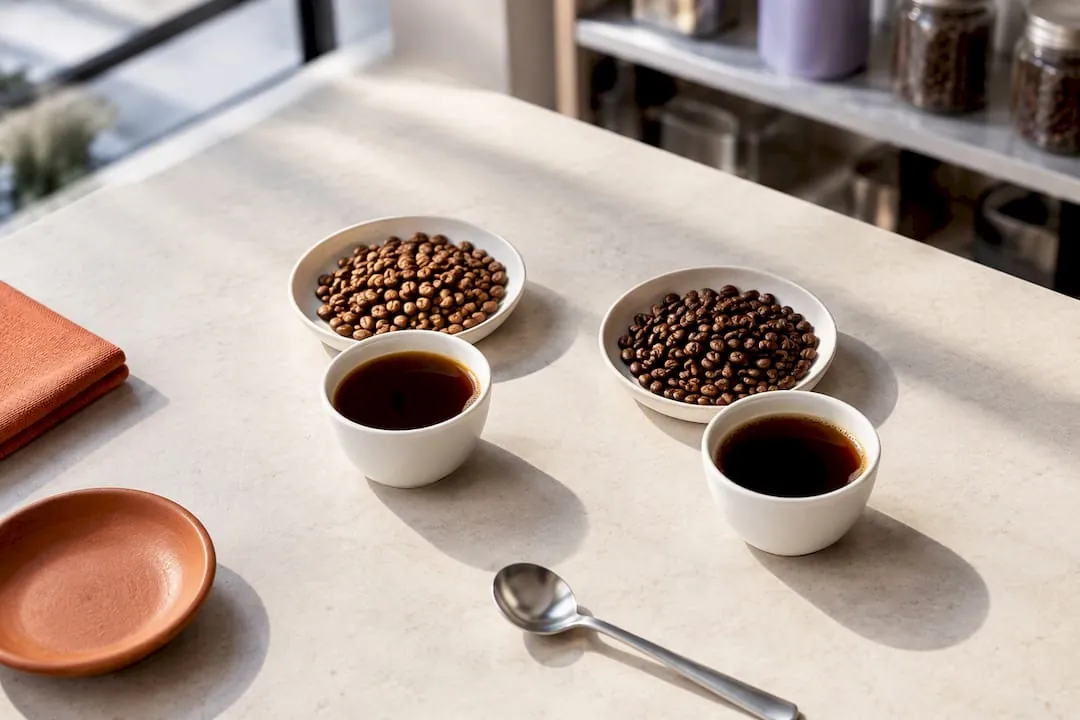
There’s a common misconception that light roast coffee contains more caffeine. In reality, the caffeine content between light and dark roasts is quite similar by weight, though light roasts are denser. If you’re sensitive to caffeine, start with a smaller serving size. The biggest difference is the chemical composition; light roasts contain more of the original plant compounds that provide the complex flavor profiles that coffee enthusiasts enjoy.
Frequently Asked Questions
Why does my light roast taste like lemon juice?
This is often a sign of high acidity, which is characteristic of high-altitude beans from regions like Kenya or Ethiopia. If the acidity is sharp or unpleasant, try increasing your water temperature or using a slightly finer grind to extract more sweetness, which will help balance the bright, citrus-like notes.
How much coffee should I use per cup?
A standard starting point is a 1:16 ratio, meaning one gram of coffee for every sixteen grams of water. For a standard 10-ounce mug, you would use approximately 18 to 20 grams of coffee. Using a scale is far more accurate than using scoops, as different bean densities will result in varying weights.
Do I need a fancy machine?
You don’t need an expensive espresso machine to enjoy light roasts. In fact, manual methods like an AeroPress or a V60 dripper often produce a much cleaner, more flavorful cup than low-end automatic drip machines. These manual tools allow you to control every variable, which is essential for bringing out the nuanced flavors of a light roast.
How can I tell if a bean is high quality?
Look for a “specialty grade” label and a clear roast date. High-quality beans will have a uniform color and no visible oil on the surface. Avoid bags that list “100% Arabica” as their only descriptor, as this is a very broad term. Instead, look for information regarding the farm, the washing process, and the specific altitude.
Why is my coffee watery?
Watery coffee usually indicates under-extraction. This happens when the water passes through the grounds too quickly, failing to pull out the sugars and oils. To fix this, try a finer grind to increase resistance or increase your water temperature to ensure the coffee grounds are fully saturated and extracted during the brew cycle.
Warning: Avoid using boiling water directly on your coffee grounds, as this can lead to uneven extraction and a harsh, burnt flavor that ruins the delicate characteristics of a light roast.
Conclusion
Starting your journey into light roast coffee is about embracing trial and error. The most important step you can take today is to purchase a single bag of high-quality, freshly roasted coffee from a local roaster and commit to using a digital scale to track your brew ratios, as this single habit will improve your results more than any expensive machine ever could.