Selecting the right physical space is the most critical decision for a new entrepreneur, as the best locations for a coffee shop can determine whether your venture flourishes or stalls. When scouting for a storefront, you should expect to pay between $2,000 and $12,000 per month in base rent, depending on the square footage, city, and foot traffic density. Beyond the rent, you must account for initial build-out costs, which typically range from $80,000 to $350,000 to cover plumbing, electrical upgrades, and equipment installation. Finding a property that balances high visibility with manageable overhead is the ultimate goal for sustainable growth.
Key Takeaways
- Prioritize high-traffic areas near public transit hubs or office complexes to ensure a consistent morning customer flow.
- Verify local zoning laws and building codes before signing a lease to avoid expensive, unpermitted renovation hurdles.
- Assess the competition within a three-block radius to ensure your specialty coffee offerings fill a specific local gap.
- Budget for professional build-outs, as coffee shops require specialized grease traps and high-voltage electrical service.
- Negotiate a lease that includes tenant improvement allowances to offset the costs of necessary structural modifications.
Understanding Your Target Demographic
Before you look at a single floor plan, you must define who your customer is. A luxury third-wave café requires a different environment than a high-volume commuter kiosk. You need to map out the daily habits of your potential patrons. Are they students needing Wi-Fi for hours, or corporate workers who need a fast, high-quality cup of coffee in under three minutes?
Commuter Hubs and Transit Zones
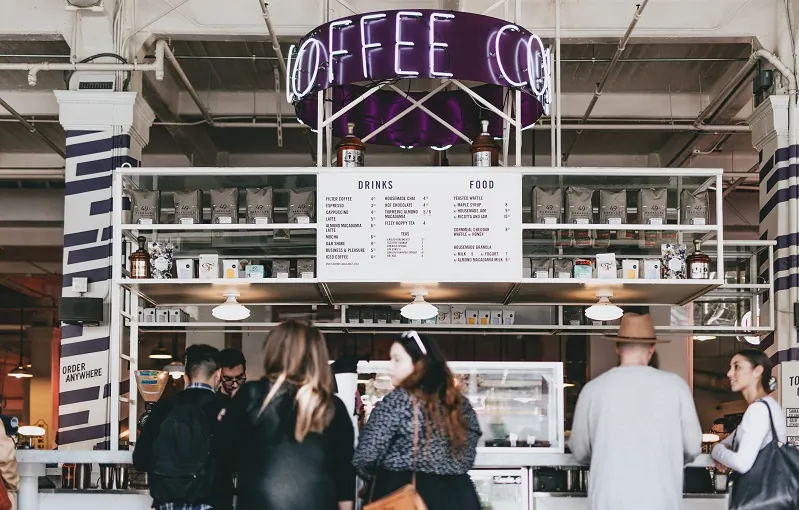
These locations thrive on speed and convenience. Proximity to subway stations, bus terminals, or bike paths is non-negotiable. Your customer flow will be intense during the morning rush and afternoon slump. You should look for spaces that allow for efficient queue management, preventing lines from spilling out into dangerous traffic areas.
Business Districts and Office Parks
These areas offer a steady Monday-through-Friday revenue stream. The key here is to offer corporate catering options and a professional atmosphere. Workers in these areas value reliability and speed. If you can become the “go-to” spot for the local office buildings, you secure a loyal base that keeps your registers ringing throughout the work week.
Evaluating Site Visibility and Access
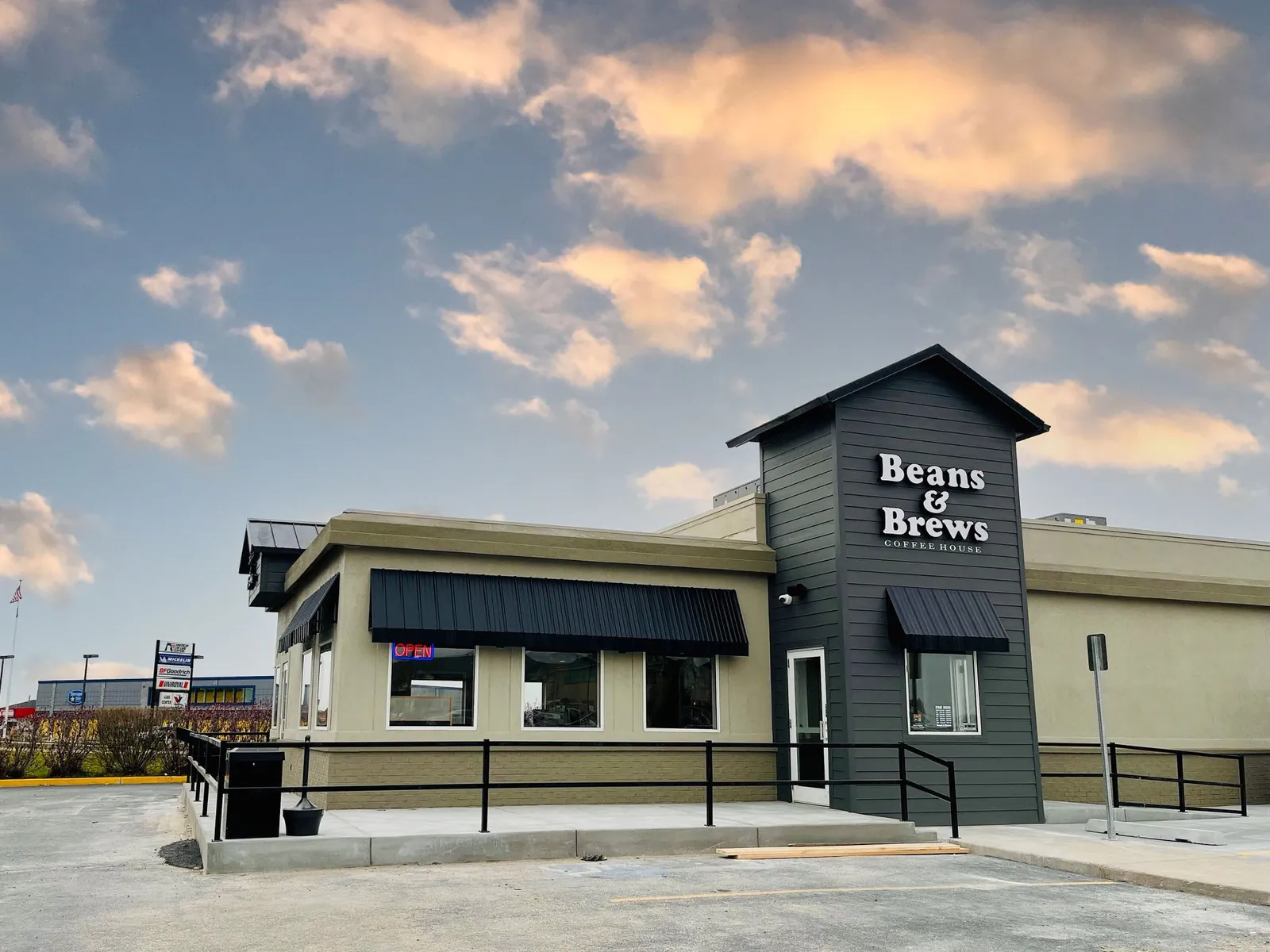
Visibility is your most effective form of free advertising. A shop tucked away in a dark alley might have great rent, but the cost of acquiring customers through marketing will eventually exceed the savings. You want a location where your storefront signage is visible from at least 100 feet away by both pedestrians and drivers.
| Location Factor | Why It Matters | Impact on Revenue |
|---|---|---|
| Corner Units | Dual-street visibility | High |
| Mid-Block | Lower rent potential | Moderate |
| Second Floor | Niche destination only | Low |
| Transit Proximity | Morning volume spikes | Very High |
Warning: Never sign a lease without checking the local municipal building codes, as the United States Small Business Administration provides guidelines on the necessary licenses and permits required to ensure your commercial space meets health and safety standards for food service operations.
Analyzing Competitive Saturation
You might think that being near a major chain is a bad idea, but high-traffic areas often benefit from the presence of established coffee brands. These giants prove that there’s a demand for coffee in that specific corridor. Your job is to offer a superior product or a more welcoming atmosphere that differentiates your brand from the mass-market competition.
Managing Local Competition
- Identify gaps in the market: Do existing shops offer plant-based milks, high-quality pour-overs, or local pastries?
- Analyze pricing tiers: If the neighborhood is saturated with $2 drip coffee, there may be room for a premium experience.
- Assess the “third place” factor: Does the neighborhood have a place where people actually want to sit and work?
The Importance of Infrastructure
A coffee shop is essentially a small manufacturing plant. You need reliable, high-capacity plumbing, specifically for grease trap installation, which is often required by city health departments. Older buildings might look charming, but they often lack the electrical amperage needed to run multiple high-end espresso machines, grinders, and refrigeration units simultaneously.
Essential Utility Checklist
- Three-Phase Electricity: Mandatory for professional-grade espresso machines.
- Water Filtration: Essential for consistent flavor and equipment longevity.
- HVAC Capacity: Must handle the heat generated by grinders and brewing equipment.
- Waste Management: Proper drainage for discarded grounds and liquid waste.
Negotiating Your Commercial Lease
Securing a lease is a complex legal process. You should never sign a standard residential lease for a commercial space. Always look for a Triple Net Lease (NNN) or a modified gross lease that clearly outlines your responsibilities versus the landlord’s. Ask for a “tenant improvement allowance” to help cover the costs of the expensive plumbing and electrical work required for a coffee shop.
| Lease Term | Description | Benefit to You |
|---|---|---|
| Base Rent | Monthly fixed payment | Predictability |
| CAM Fees | Common Area Maintenance | Cleanliness/Security |
| Rent Abatement | Free rent during build-out | Cash flow conservation |
| Renewal Option | Right to extend the lease | Long-term security |
Pro Tip: Always negotiate a “use clause” in your contract that explicitly allows for the sale of prepared food and beverages, preventing the landlord from leasing adjacent units to a direct competitor.
Finding the Best Coffee Shop Locations
Sometimes the best locations aren’t in the most expensive, established areas, but in neighborhoods on the rise. Look for areas with new residential developments, renovated parks, or a influx of young professionals. These areas are often more affordable and allow you to become a community staple before the market becomes fully saturated.
Signs of an Emerging Market
- New residential permits being issued by the city.
- Increased foot traffic on weekends.
- Presence of independent boutiques and craft breweries.
- Public investment in local infrastructure or streetscapes.
Assessing Foot Traffic Patterns
Foot traffic isn’t just about quantity; it’s about quality and timing. A location with 1,000 people walking by at 2:00 AM doesn’t help a breakfast-focused coffee shop. You need to conduct a physical count during your intended operating hours. Observe whether the pedestrians are walking with purpose—suggesting they’re commuters—or if they’re lingering, which suggests they might be potential customers for a longer stay.
Traffic Analysis Methods
- The Morning Count: Observe the flow from 6:30 AM to 9:30 AM.
- The Lunch Rush: Check the volume between 11:30 AM and 1:30 PM.
- Weekend Patterns: Evaluate if the neighborhood stays active on Saturdays and Sundays.
Related guides
- What Is the Best Coffee to Use for Cold Brew
- Best Location for a Coffee Shop: High-Traffic Site Strategy
- 10 Best Coffee for Cold Brew Picks for Every Brewing Method
Frequently Asked Questions
What is the most important factor for a coffee shop location?
Visibility and convenience are paramount. If customers can’t easily find your shop or pull over to grab a quick drink, they will go elsewhere. A high-traffic location near a transit hub or office center minimizes the effort required for a customer to choose your shop over a competitor, ensuring a consistent stream of daily transactions that support your operating costs.
How do I know if a building has the right utilities?
You must hire a professional contractor to perform a site survey. They will check the electrical panel for the required amperage, inspect the plumbing for appropriate drainage, and confirm that the space can accommodate a grease trap. Never assume a building is ready for food service; retrofitting outdated infrastructure is the most common cause of budget overruns for new coffee shop owners.
Is it better to be near a chain coffee shop?
Being near a chain can actually be beneficial. These companies spend millions on market research to find high-traffic areas. By locating near them, you benefit from the existing customer base they have cultivated. Your success depends on your ability to offer a unique, high-quality product or a superior community atmosphere that the mass-market chain can’t replicate, effectively capturing the customers looking for something better.
How much should I budget for a commercial lease?
Your rent should ideally not exceed 10% to 15% of your projected gross revenue. While the monthly cost varies by region, you should expect to pay between $2,000 and $12,000 per month depending on the size and location. Always factor in common area maintenance fees and property taxes, which can significantly increase your total monthly occupancy costs beyond the base rent figure.
How can I get help with the legal side of leasing?
You should engage a real estate attorney who specializes in commercial leases. They can help you navigate complex clauses like personal guarantees, rent escalations, and tenant improvement allowances. A lawyer ensures that the lease protects your interests, particularly regarding the “use clause” and “exclusivity,” which prevent the landlord from leasing to other coffee shops in the same building or shopping center.
Conclusion
Finding your ideal space is a process of balancing your vision with the cold, hard realities of the local market and your available capital. Once you have identified a few potential spots, reach out to local business associations to get a better sense of the neighborhood’s long-term planning. Your next step is to schedule a professional walkthrough of your top three choices with a contractor to confirm they can handle your equipment.