
Commercial ice machines use a continuous cycle of water circulation, cooling, and harvesting to freeze layers of water onto a refrigerated evaporator grid to create ice. This guide covers the specific technical stages, operational settings, and maintenance requirements for these systems.
How commercial ice machines work and freeze water
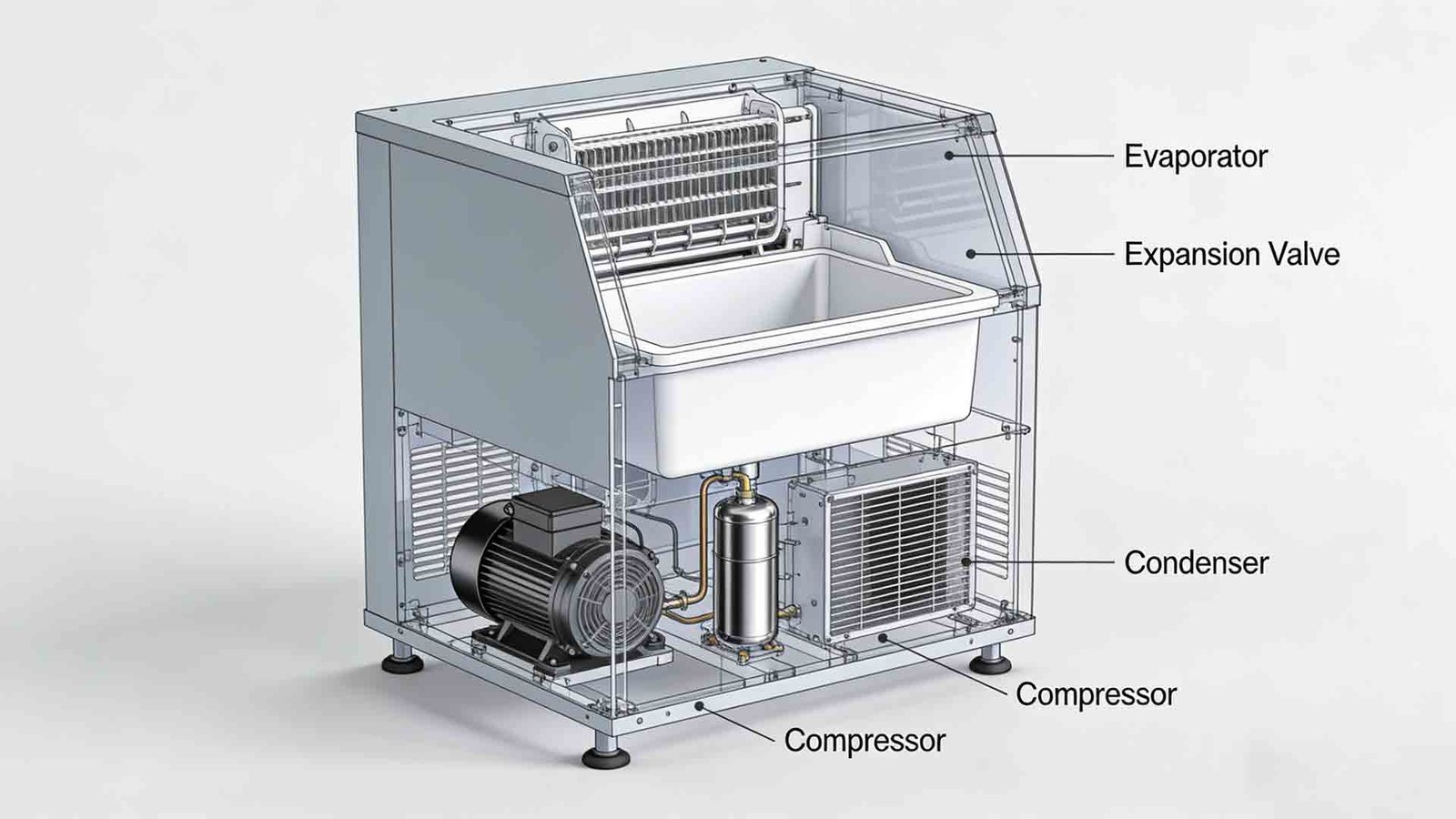
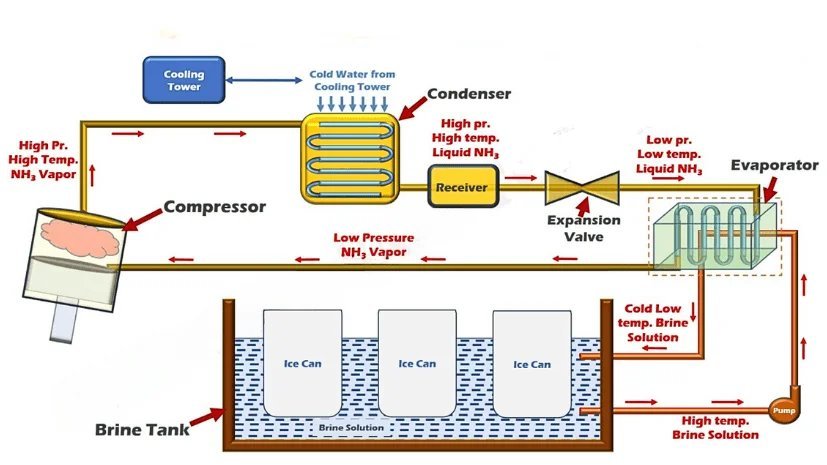
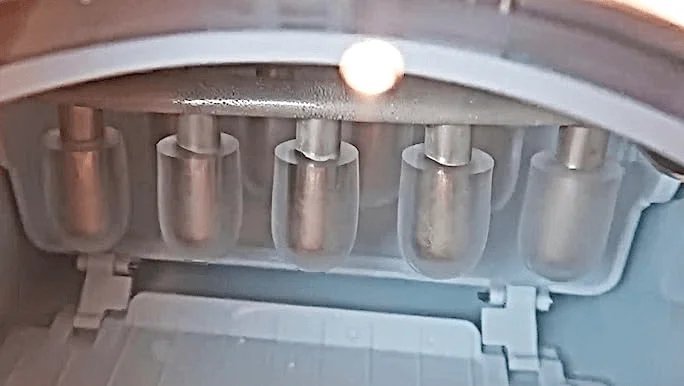
A commercial ice machine functions as a dedicated refrigeration unit designed to drop water temperatures below freezing. The process starts when water flows over an evaporator plate, which is cooled by refrigerant circulating through copper coils. As the water passes over these freezing surfaces, it slowly builds up into distinct shapes, such as cubes, nuggets, or flakes. Once the ice reaches a specific thickness—usually detected by a sensor or a timer—the machine switches to a harvest cycle. During this phase, hot refrigerant gas bypasses the condenser and warms the evaporator briefly, which releases the ice into the storage bin below.
Operating the freezing mechanism
- Turn on the power supply and ensure the water line is connected to a filtered source.
- Allow the water pump to fill the reservoir until it hits the high-level float switch.
- Activate the refrigeration system to chill the evaporator grid to approximately 10 degrees Fahrenheit.
- Let the water circulate over the grid for 15 to 20 minutes to form the desired ice thickness.
- Trigger the harvest cycle by sending hot gas to the evaporator to loosen the ice sheets.
- Direct the falling ice into the bin and reset the cycle to start the process again.
The critical decision is setting the thermostat and water flow rate correctly. If the flow is too fast, the ice will be cloudy and soft; if it’s too slow, the machine may over-freeze, which can damage the evaporator coils. Always consult the NSF International food equipment standards to ensure your installation meets hygiene requirements for commercial food service environments.
Essential operational settings
These settings apply to standard air-cooled units. Water-cooled models maintain efficiency regardless of kitchen heat, so you don’t need to adjust for ambient temperatures.
| Situation | Setting to adjust | Typical range | What to watch for |
|---|---|---|---|
| Cloudy ice cubes | Filtration system | Replace filter | Mineral buildup |
| Slow harvest time | Hot gas bypass | Increase valve open | Incomplete release |
| Excessive noise | Mounting bolts | Tighten to base | Vibration damage |
Ensuring consistent production
Experienced operators focus on water quality and airflow to keep machines running. Ice machines are highly sensitive to mineral content. Hard water causes scale to build up on the evaporator, forcing the machine to work harder to reach freezing temperatures. This increases cycle times and energy costs.
Common performance issues
| What you notice | What it usually means | What to do first |
|---|---|---|
| Machine won’t start | Power or water supply | Check circuit breaker |
| Ice is too thin | Sensor misaligned | Clean the sensor eye |
| Leaking water | Cracked drain hose | Tighten all connections |
| No ice produced | Refrigerant leak | Call a technician |
Regulatory and safety standards
Commercial ice machines must comply with local health department regulations regarding sanitation. The Environmental Protection Agency sets strict rules for the management of refrigerants used in these systems to prevent environmental harm. Don’t attempt to open the sealed refrigeration system yourself if the machine fails. This requires specialized certification under EPA guidelines. Always hire a licensed technician for work on the compressor, refrigerant lines, or electrical boards to avoid voiding your warranty.
Routine maintenance tasks
Clean condenser coils regularly to prevent dust buildup. Use a soft brush or vacuum to clear the fins, as bent fins restrict airflow. Sanitize the bin and water path regularly using a manufacturer-approved nickel-safe cleaner. This prevents slime and bacteria growth, which is a major health code violation. If the ice tastes metallic or smells odd, replace the water filter immediately to maintain quality.
When to seek professional help
This machine isn’t for you if you lack the proper plumbing or electrical hookups specified in the manual. If the machine displays an error code on the control panel, don’t attempt to bypass the safety sensors. If you hear loud grinding noises from the pump, turn the unit off and call a service technician. Attempting to fix internal mechanical parts without the correct training can lead to permanent damage to the compressor.
Can I fix a leak in the water line myself?
Yes, you can fix a simple leak by tightening the compression fitting or replacing the water line tubing. If the leak is coming from inside the sealed cabinet, call a technician.
How often should I change the water filter?
You should change the water filter regularly, or sooner if the ice production slows down or the water pressure drops noticeably on the inlet gauge.
Is it safe to leave the machine running overnight?
Yes, these machines are designed to run continuously. They have internal sensors that stop the production cycle once the storage bin is full to prevent overflowing.
Why is my ice coming out cloudy?
Cloudy ice is usually caused by trapped air bubbles or high mineral content in your water supply. Install a high-quality water filtration system to reduce these minerals.
How long does a harvest cycle take?
A standard harvest cycle takes between two and five minutes. If it takes longer, the hot gas valve may be failing or the evaporator is heavily scaled.
What happens if the power goes out?
The machine will stop immediately and the ice already in the bin will begin to melt. Once power returns, the unit should restart its cycle automatically.
Can I use a regular refrigerator filter?
No, you must use a filter rated for high-volume commercial ice production. Standard home filters can’t handle the flow rate required by commercial ice machines and will clog.
Commercial ice, in short
Keeping your equipment clean is the best way to ensure it’ll run smoothly for years. If you notice the cubes getting smaller or the machine making odd sounds, don’t wait to call a technician. You’ll save yourself a lot of trouble by catching these minor issues before they turn into expensive repairs.
Pingback: How Much Are Commercial Ice Cream Machines: Cost Guide
Pingback: How Much for an Ice Machine: Cost Breakdown and Price