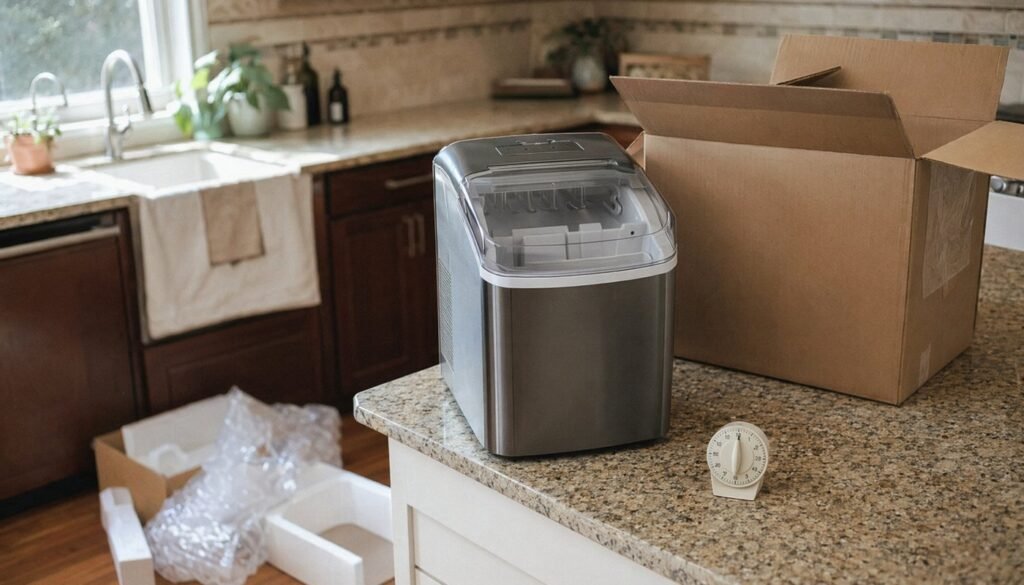
Commercial ice is made by circulating filtered water over a chilled metal surface until it freezes into solid blocks or cubes. Large machines use high-capacity cooling systems to maintain steady temperatures, ensuring that the ice remains clear and free of contaminants during the rapid freezing process.
How ice is made commercially
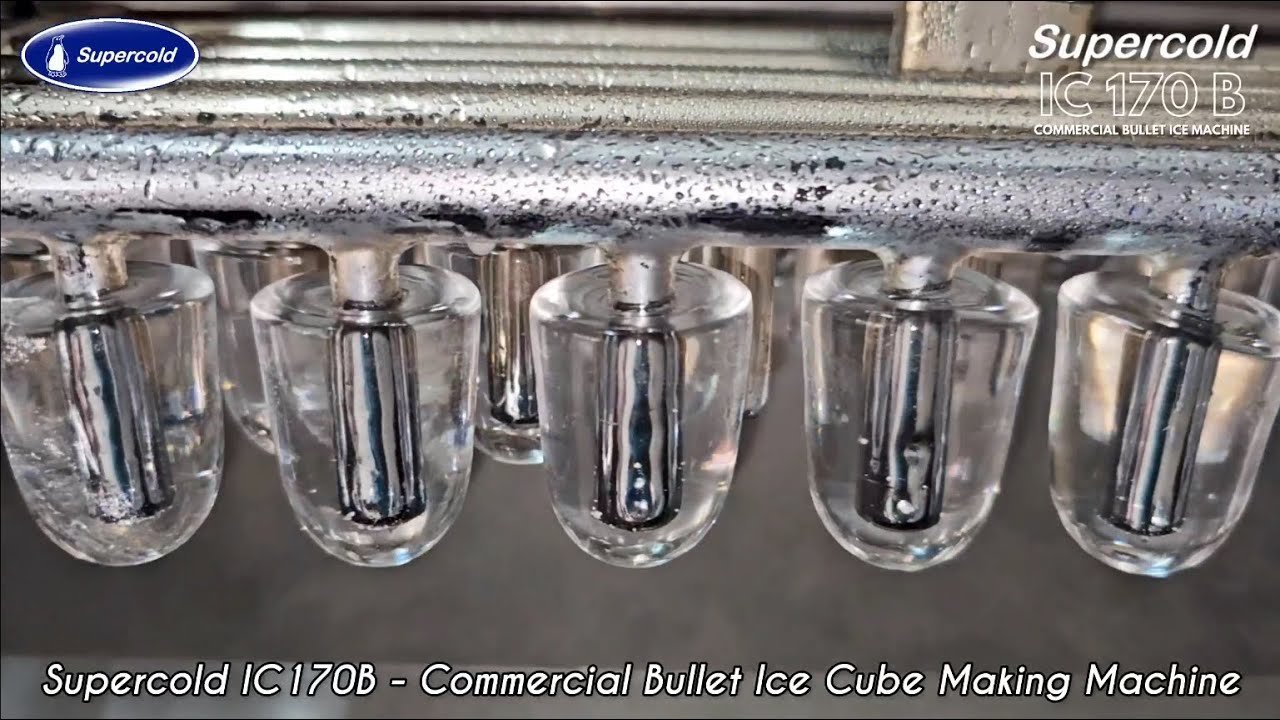
Ice manufacturing relies on mechanical refrigeration cycles that move heat away from water. Large-scale plants use either “batch” systems, where water sits in molds, or “continuous” systems, where water flows over freezing plates. The primary goal is to ensure the water is free of air bubbles, which creates the clear look expected in food-grade ice. This is for business owners and facility managers who need to meet health department standards for food safety and storage. A common mistake is failing to clean the evaporator plates; this causes mineral buildup that ruins the clarity and taste of the ice.
The ice manufacturing procedure
- Filter the incoming municipal water to remove sediment, chlorine, and minerals that cause cloudy ice.
- Chill the evaporator plates or metal molds to temperatures below freezing, typically around 10 to 20 degrees Fahrenheit.
- Pump the treated water over these chilled surfaces, allowing layers of ice to build up during the freezing cycle.
- Stop the water flow once the desired thickness is reached, which often takes 15 to 30 minutes for standard cubes.
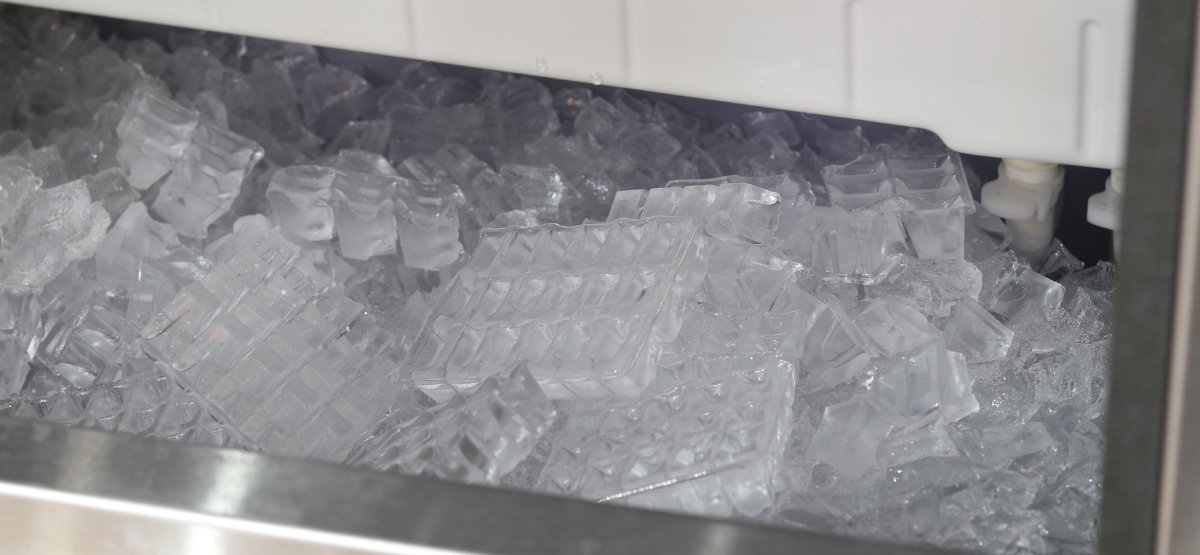
- Initiate a “harvest” phase by warming the metal plates slightly, which releases the ice into a collection bin.
- Break the ice sheet into uniform sizes if the machine produces large slabs instead of individual cubes.
The critical decision point is the water flow rate; too fast creates soft, slushy ice, while too slow leads to brittle, cracking ice. If you’re operating a large machine, you must consult a certified technician for the initial calibration of these flow sensors.
Key production metrics
The following values assume a standard ambient air temperature of 70 degrees Fahrenheit. Performance varies by model — check the label for your specific machine’s output capacity.
Factors affecting ice quality
Water purity and mineral content
The clarity of ice depends on the movement of water. In commercial machines, water circulates constantly to keep gases from getting trapped in the center of the cube. If the water has high calcium or magnesium, it will leave white deposits on the machine’s internal parts. Experienced operators use reverse osmosis systems to remove these minerals before the water hits the evaporator.
Temperature and cycle timing
Operators must monitor the ambient temperature of the facility. If the room is too hot, the machine works harder and the ice may become cloudy or melt prematurely during the harvest phase. Most modern units have sensors that adjust the cycle time based on the heat of the incoming water. Leaving the machine in a poorly ventilated area forces the compressor to run longer, which increases energy costs and shortens the lifespan of the hardware.
Troubleshooting common issues
| What you notice | What it usually means | What to do first |
|---|---|---|
| Cloudy or white ice | High mineral content | Check the water filter |
| Small, thin cubes | Short cycle time | Adjust the harvest timer |
| Machine making noise | Scale buildup | Clean the evaporator plates |
| Ice smells or tastes odd | Contaminated bin | Sanitize the storage area |
Mandatory health standards
Commercial ice is regulated as a food product, meaning it must meet the same safety requirements as any other consumable item. In the United States, the FDA and local health departments require that all ice machines be made of non-toxic, food-grade materials that resist corrosion. If you’re running a business, you must record your cleaning schedule to comply with local health inspections. Always use a dedicated, sanitized scoop to handle ice; using hands or non-food-grade containers is a direct violation of safety protocols that can lead to immediate fines.
Storage and maintenance
After production, store ice in a sealed, insulated bin to prevent melting and outside contamination. The bin should be cleaned and sanitized regularly, or more often if the machine is in a dusty environment. If the ice begins to clump together, it’s a sign that the bin temperature is fluctuating. To restore flow, break the ice gently with a plastic tool, as metal objects can damage the lining of the storage container.
When to use alternatives
If you need massive quantities of ice for a one-time event, buying from a commercial supplier is often more cost-effective than running your own machine. For specialty shapes like spheres or custom shapes, professional molds are better than standard automated machines. Automated machines are designed for speed and volume, not for artistic or highly specific geometric requirements. If your needs are small, a countertop unit is sufficient, but avoid using these for high-traffic food service environments.
How is ice made commercially for restaurants?
It’s made using automated machines that circulate water over cold plates to form ice continuously. This ensures a steady supply that meets food safety standards for commercial kitchens.
Can I make clear ice at home like commercial machines?
Yes, you can make clear ice by using an insulated container to allow air bubbles to escape as the water freezes from the top down over 24 hours.
How long does commercial ice last in a freezer?
It lasts indefinitely if kept at 0 degrees Fahrenheit or lower, though it may begin to absorb odors or shrink from sublimation if not kept in a sealed bag.
Is it safe to consume ice from a dirty machine?
No, it isn’t safe, as dirty machines can harbor bacteria and mold that transfer directly into the ice, posing a risk of illness to anyone consuming the product.
How often should a commercial ice machine be cleaned?
You should clean it regularly, though high-use environments or areas with hard water may require more frequent cleaning to prevent mineral buildup and contamination.
What happens if I use tap water without a filter?
The ice will likely be cloudy, taste like the local water supply, and leave mineral scale inside the machine, which will eventually damage the internal freezing components over time.
Ice made, in short
Once the ice is ready, it’s carefully packaged and kept in climate-controlled storage to prevent melting before it reaches your glass. You’ll notice the difference in quality the next time you drop a few cubes into a cold drink. It’s worth checking your local supplier’s website to see how they handle their delivery process.