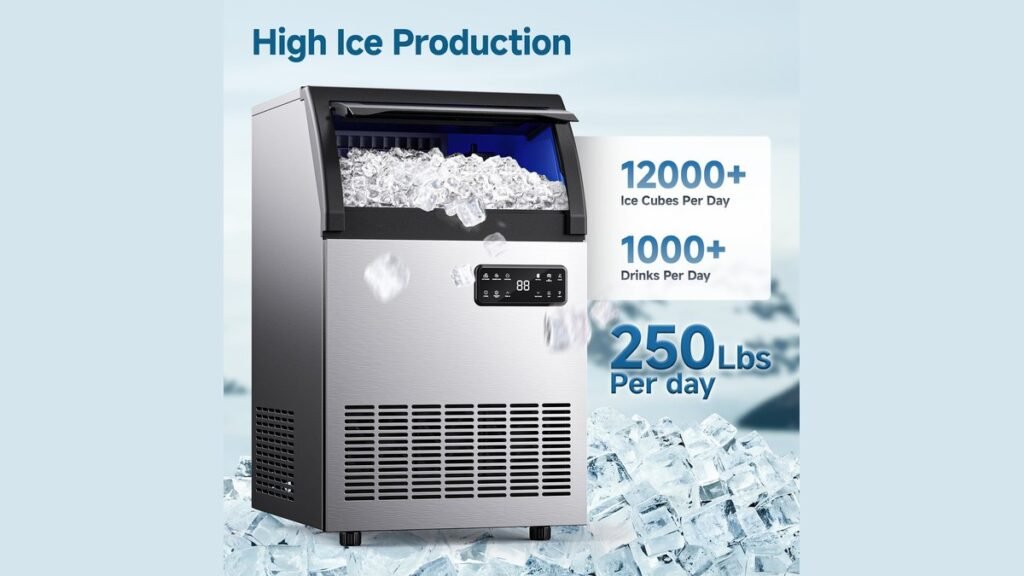
An ice machine functions by cycling water over a freezing surface, using a refrigeration loop to extract heat until the water solidifies into ice. This process is governed by the principles of thermodynamics, where a compressor, condenser, and evaporator work in tandem to manipulate the temperature of a refrigerant, creating an environment cold enough to turn liquid water into solid cubes, flakes, or nuggets.
Key Takeaways
- Regular maintenance, including cleaning the water distribution system, prevents scale buildup and ensures consistent ice production.
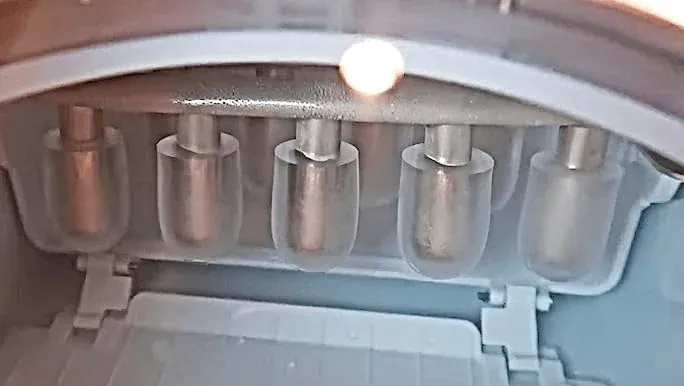
- The refrigeration cycle is the engine of the machine, responsible for cooling the evaporator plates where ice forms.
- Most commercial and residential machines require a direct water line connection and a dedicated electrical circuit to operate safely.
- Understanding the harvest cycle is essential for troubleshooting issues like hollow cubes or slow production rates.
- Sanitization protocols are necessary to prevent the accumulation of mold and bacteria within the internal components.
How Does Ice Machine Work Mechanically?
The mechanics of an ice machine are centered on a closed-loop refrigeration system. The process begins when the compressor pumps refrigerant through the system, compressing it into a hot, high-pressure gas. This gas travels to the condenser, where it releases heat into the surrounding air or water, cooling down and turning into a liquid. The liquid refrigerant then passes through an expansion valve, which drastically lowers its pressure and temperature before it reaches the evaporator.
The Role of the Evaporator
The evaporator is the heart of the ice-making process. As the chilled refrigerant flows through the evaporator coils, it absorbs heat from the metal plates or molds attached to them. When water is pumped over these super-chilled surfaces, it loses heat rapidly, transitioning from liquid to solid ice. This cycle continues until the sensors detect that the ice has reached the desired thickness, at which point the machine switches into the harvest mode.
Understanding the Harvest Cycle
Once the ice has formed, the machine must release it from the evaporator. This is achieved through a process called the harvest cycle. During this phase, a hot gas valve opens, allowing warm refrigerant to bypass the condenser and flow directly into the evaporator. This rapid warming of the metal surface causes the layer of ice touching the mold to melt slightly, loosening the entire batch so it can slide into the storage bin.
| Cycle Phase | Action Performed | Component Involved |
|---|---|---|
| Freezing | Water turns to ice | Evaporator |
| Sensing | Monitoring ice thickness | Thermostat/Probe |
| Harvest | Releasing the ice | Hot Gas Valve |
| Circulation | Moving fresh water | Water Pump |
Essential Components of the System
Every ice machine relies on a specific set of hardware to function correctly. The water pump is responsible for circulating water from the reservoir over the evaporator. A water inlet valve controls the flow of fresh water into the system, ensuring the supply is replenished after each harvest. The bin thermostat or sensor is a critical safety feature that stops the machine when the storage container is full, preventing overflow and wasted energy.
How Does Ice Machine Work: Types
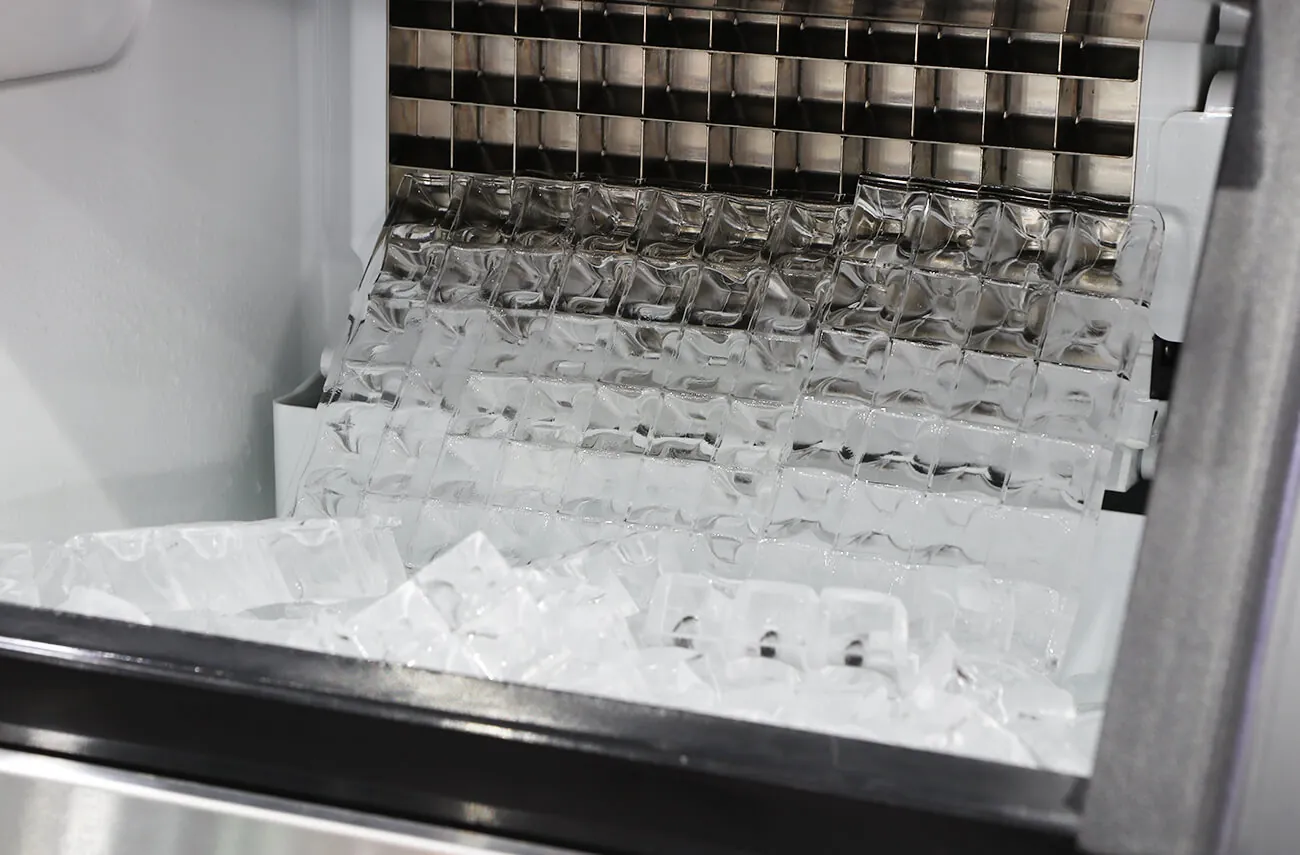
The specific method of ice production varies by the model. Some machines create clear ice by circulating water to remove trapped air bubbles, while others prioritize speed.
- Modular machines: High-capacity units often found in restaurants.
- Undercounter units: Compact models suitable for home bars or offices.
- Countertop dispensers: Convenient machines that combine ice and water.
- Flakers: Specialized units that produce soft, chewable ice.
Troubleshooting Common Operational Issues
When an ice machine fails to produce, the cause is often a simple mechanical or environmental blockage. If the machine is running but not making ice, the water filter might be clogged, restricting the flow of water into the reservoir. Scale buildup on the evaporator plates is another common culprit, as it acts as an insulator, preventing the refrigerant from cooling the water effectively.
Warning: Always disconnect the power supply before attempting to inspect or clean the internal electrical components to avoid the risk of electric shock.
Proper Maintenance and Cleaning
To maintain efficiency, owners must follow a strict cleaning schedule. Mineral deposits from tap water, known as limescale, can accumulate quickly, damaging the pump and reducing ice quality. Manufacturers typically recommend a deep clean every six months, utilizing specialized descaling solutions. According to the U.S. Food and Drug Administration, ice is considered a food product and must be handled under sanitary conditions to prevent contamination.
| Maintenance Task | Frequency | Purpose |
|---|---|---|
| Sanitize Bin | Monthly | Prevent bacteria |
| Change Filter | 6 Months | Improve water quality |
| Descale Plates | 6 Months | Maximize efficiency |
| Clean Condenser | Quarterly | Improve heat exchange |
Choosing the Right Ice Machine
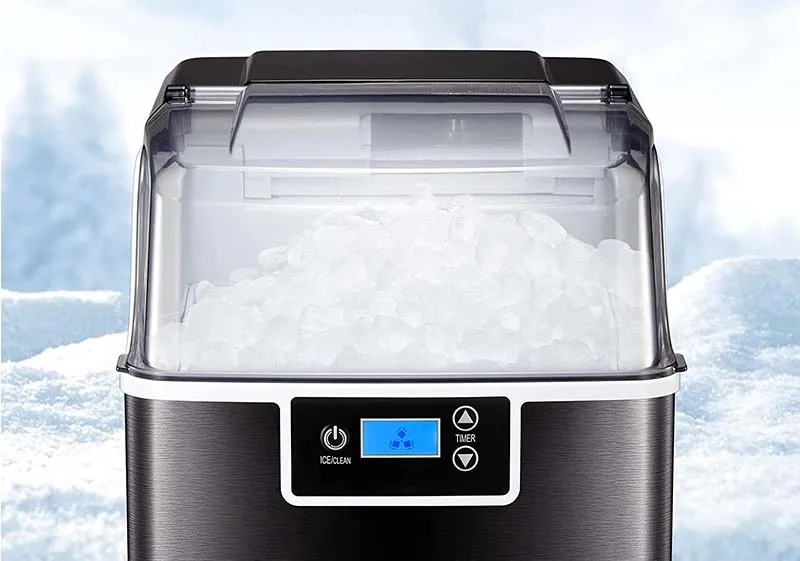
Selecting the right unit depends on your specific needs regarding ice shape and volume. Consider the daily production capacity, measured in pounds per 24 hours, to ensure the machine meets your requirements. Energy efficiency is also a major factor, as commercial units run continuously. Look for models with high-grade insulation to minimize heat loss and lower electricity costs.
Pro Tip: If your ice tastes like the freezer, check the water filter first; often, the carbon block inside has reached its capacity and requires a replacement.
Frequently Asked Questions
Why is my ice machine making soft ice?
Soft or mushy ice is usually a sign that the refrigeration cycle isn’t reaching a low enough temperature. This can be caused by a refrigerant leak, a failing compressor, or a dirty condenser coil that’s preventing proper heat dissipation. Check your condenser for dust and debris buildup first, as this is the most common and easiest fix for temperature-related issues.
How often should I replace the water filter?
Most manufacturers recommend replacing the water filter every six months to maintain optimal water quality and protect the internal valves from sediment. However, if you live in an area with hard water, you may need to replace it every three to four months to prevent scale from damaging the sensitive components inside the machine.
What causes ice to taste bad?
Bad-tasting ice is almost always due to impurities in the water supply or a dirty ice bin. If the water has high mineral content or chlorine, a high-quality carbon filter will resolve the issue. If the taste persists, the storage bin may have developed mold or mildew, requiring a thorough sanitization with an approved food-safe cleaning solution.
Why does the machine stop making ice?
The most frequent reason for a machine to stop producing ice is a full bin sensor that’s triggered prematurely or a water supply line that has been kinked or turned off. Ensure the ice bin isn’t overfilled and check that the water valve is fully open. If these are fine, the bin thermostat might be malfunctioning and require a professional inspection.
Conclusion
To ensure your ice machine continues to operate reliably, start by checking the manufacturer’s manual for the specific descaling schedule recommended for your model. Scheduling a professional inspection once a year can help you catch minor issues before they lead to expensive repairs, keeping your system running efficiently for many years to come.