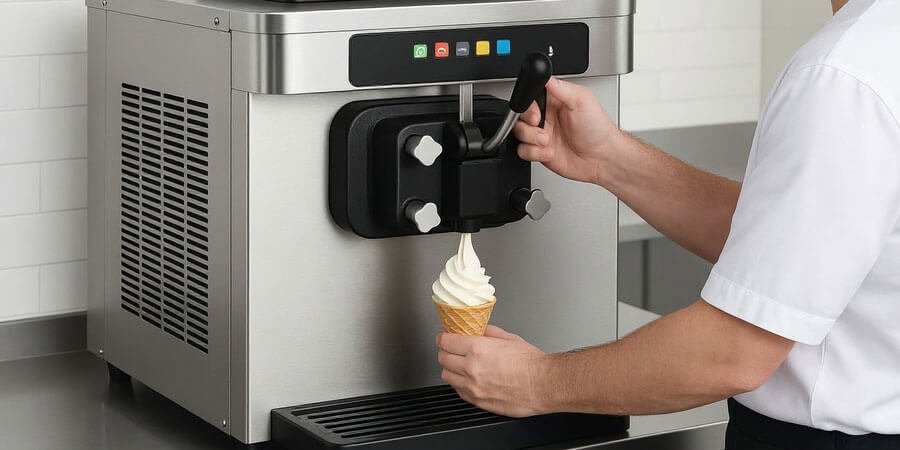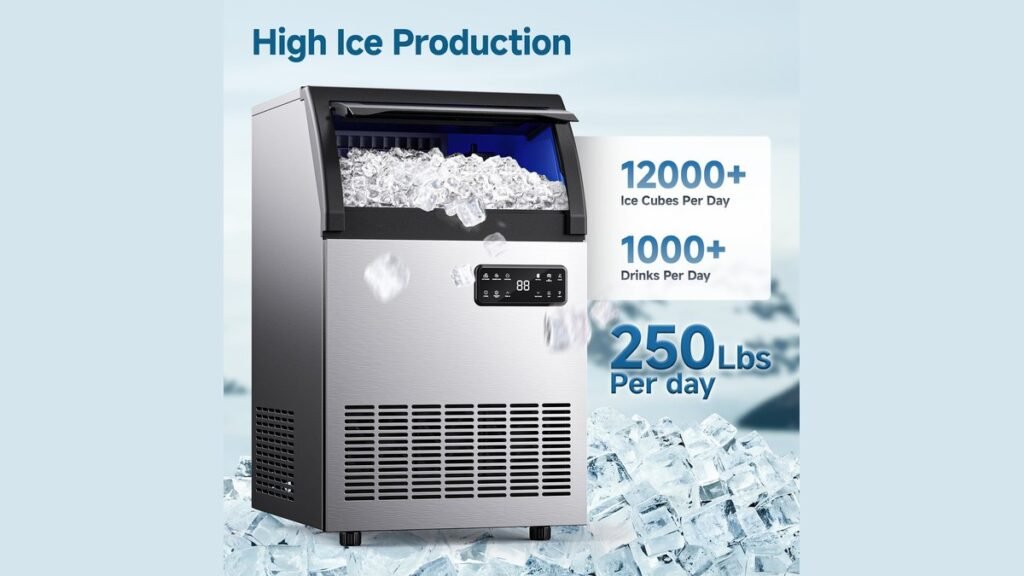
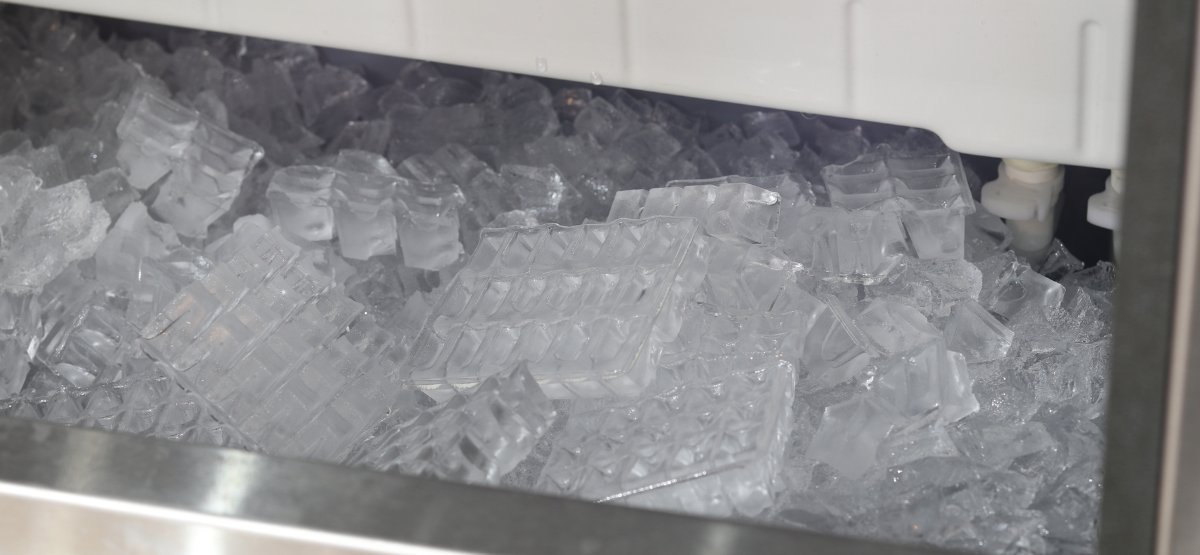
Water flows into a refrigerated metal grid or a vertical evaporator plate where it freezes into layers, and this is how commercial ice made in large batches reaches your glass. These machines use a constant cycle of chilling and harvesting to ensure a steady supply for restaurants and hotels.
How commercial ice is made
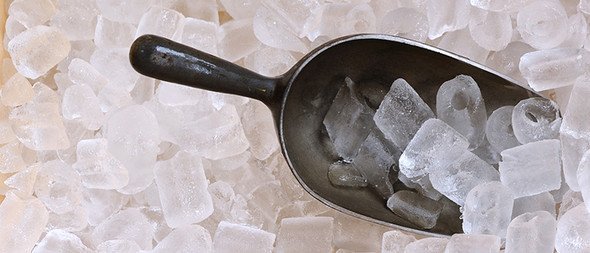
The equipment relies on several distinct parts to transform liquid water into solid cubes or flakes. If you notice a change in ice quality, check the condition of these parts against the manufacturer’s service manual, as the specific component names vary by brand and model.
| Part or input | What it does | What you notice when it goes wrong |
|---|---|---|
| Water inlet valve | Controls incoming water flow | Constant leaking or no ice production |
| Evaporator plate | Freezes water into ice | Thin, cloudy, or uneven ice sheets |
| Refrigeration compressor | Circulates cooling refrigerant gas | Machine runs but never gets cold |
| Harvest probe | Senses when ice is ready | Over-frozen slabs or no harvest cycle |
| Water filter | Removes sediment and minerals | Poor taste or scale buildup inside |
The ice making cycle
The process follows a repeating loop that keeps the storage bin full throughout the day. Each stage is timed by the machine’s control board to ensure consistency regardless of the outside temperature or the humidity levels in the kitchen.
- The water inlet valve opens for 10 to 30 seconds to fill the distribution tray with fresh, filtered water for the batch.
- The compressor starts circulating cold refrigerant through the evaporator coils, dropping the metal surface temperature to well below freezing levels.
- Water flows over the freezing surface for 15 to 30 minutes, slowly building up layers of ice until the desired thickness is reached.
- The control board switches the unit into harvest mode, which diverts hot refrigerant gas to the evaporator to warm the metal surface.
- The ice slab slides off the plate and hits a cutter grid or drops directly into the storage bin as individual pieces.
- The machine resets and immediately begins the next cycle, provided the bin sensor detects that there’s space for more ice.
Why mechanical failure impacts ice quality
The mechanical health of the system directly dictates the clarity and safety of the ice you serve. When the refrigeration cycle fails to reach the proper temperature, the ice may form too quickly, which traps air bubbles and results in cloudy, brittle cubes that melt rapidly in drinks. Conversely, if the water distribution system is clogged with mineral scale, the ice will appear discolored or uneven because the water isn’t flowing smoothly over the evaporator. Regular maintenance is vital, as food safety standards emphasize that ice must be handled and produced in a sanitary environment to prevent bacterial growth. A failure in the harvest probe often leads to a solid block of ice that jams the machine, costing you time and expensive repair fees.
Controls and design limitations
What you can change
- Water filter cartridges: Replace based on usage and your owner’s manual to maintain flow and taste quality.
- Bin thermostat settings: Adjust the probe position to control the final ice level.
- Cleaning schedule: Perform deep descaling monthly to prevent internal mineral buildup and scale.
- External water pressure: Ensure it meets the specific PSI range listed on your unit’s data plate.
Fixed design limits
- Evaporator surface area: This determines the maximum production capacity per 24-hour period.
- Refrigerant type: You can’t change the cooling gas used by the sealed compressor system.
- Machine footprint: The physical size dictates the maximum storage bin capacity for your location.
Any repair involving the sealed refrigeration system requires a certified technician with an EPA Section 608 certification. Attempting to bypass these sealed systems yourself can void your warranty and risks the release of hazardous chemicals.
Habits for better performance
Consistent performance depends on your daily habits and environmental awareness. Keep the area around the air intake vents clear of dust and debris to allow for proper airflow, which prevents the compressor from overheating. Check the ice bin for standing water once a day; if water is pooling, your drain line is likely blocked by debris. Keep the surrounding room temperature below 80 degrees Fahrenheit for peak efficiency, as higher heat forces the machine to work significantly harder. Finally, always use an ice scoop to prevent contaminating the clean supply with germs from your hands.
Frequently asked questions
How long does one batch of ice take to freeze?
A single batch takes 15 to 30 minutes to freeze, depending on the ambient air temperature and the incoming water temperature. Hotter environments force the refrigeration system to run longer to reach the necessary freezing point.
Is it safe to use ice from a machine that hasn’t been cleaned?
No, ice from an uncleaned machine isn’t safe because slime and mold grow quickly in dark, damp environments. You must follow the manufacturer’s schedule for chemical descaling and sanitizing to prevent the buildup of harmful bacteria.
What happens if the water pressure is too low?
Low water pressure results in thin, misshapen ice or a complete failure of the harvest cycle. Check your building’s supply line pressure against the minimum requirements printed on the machine’s data tag to confirm it’s within the correct range.
Does the hardness of the water matter?
Yes, hard water causes mineral scale to build up on the evaporator plate, which acts as an insulator and slows down the freezing process. You should install a water softener or specialized filtration system if your local supply has a high mineral count.
Why is my ice cloudy?
Cloudy ice is caused by trapped air bubbles and minerals that freeze into the center of the cube. While this isn’t a safety issue, you can reduce cloudiness by using a high-quality water filtration system that removes dissolved solids before the water enters the machine.
How often should the water filter be changed?
You should change the water filter based on usage and your owner’s manual to prevent clogging and maintain the quality of the ice. Check the specific filter housing for a date sticker, as some high-use environments require more frequent replacement.
Conclusion
Next time you grab a cold drink, take a moment to notice the crystal-clear cubes in your glass. They aren’t just frozen water; they’re the result of precision engineering working behind the scenes. You’ll appreciate that refreshing chill even more once you’ve seen how these reliable machines keep things running smoothly.
Related guides