
How much do ice machines cost? Small portable models run cheap, while commercial modular heads cost several thousand dollars. Total price hinges entirely on daily ice production and machine style. Home units stay under a few hundred dollars, but busy commercial kitchens pay significantly more.
What ice machines cost
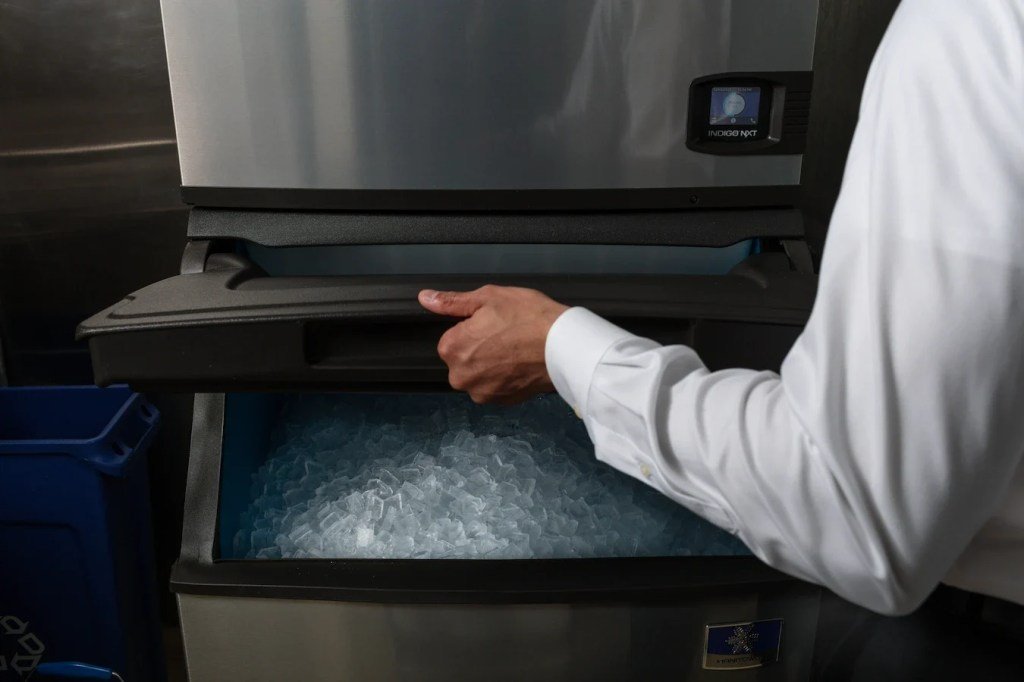
Planning your setup requires looking at equipment types, daily output, and power needs before spending anything.
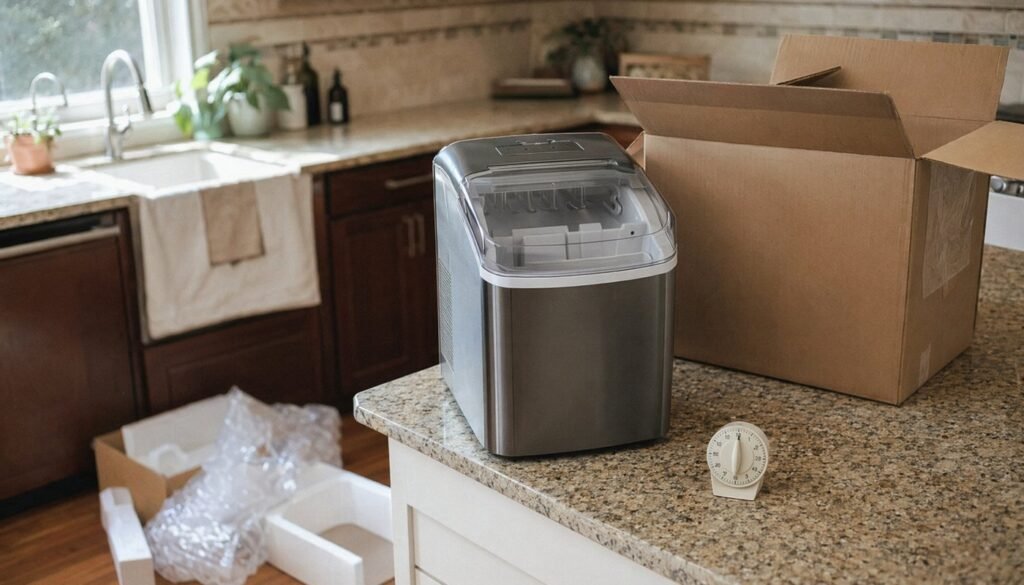
- Portable countertop models make about twenty-six pounds daily and cost under two hundred dollars.
- Undercounter units for home bars yield fifty pounds daily and range into mid-tier appliance pricing.
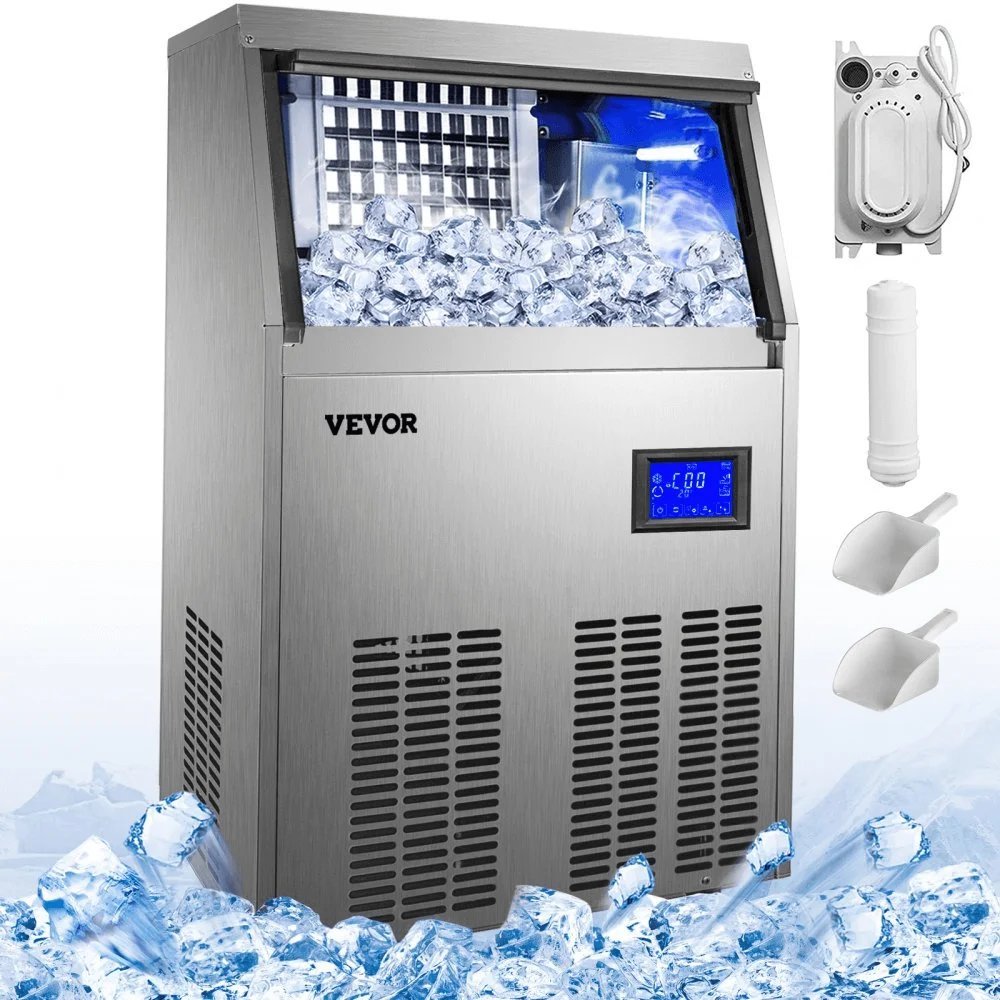
- Commercial undercounter machines produce one hundred to two hundred pounds every twenty-four hours.
- Modular commercial heads yield five hundred pounds or more and require a separate storage bin.
- High-volume units need dedicated water filtration lines and specific circuit breakers to protect the electrical supply.
Why Commercial Ice Makers Cost More
Compressor size and build materials drive the wide price gap between residential and professional ice makers. Small home appliances use light plastic frames, tiny fans, and basic copper tubing designed for occasional cycles. Commercial kitchens demand continuous duty cycles all day long. These professional units require heavy stainless steel frames, large nickel-plated evaporator plates, and oversized industrial compressors.
Operating efficiency also alters manufacturing expenses. Commercial buyers often look for high-efficiency certifications to lower daily utility bills. According to standards outlined by the ENERGY STAR commercial ice makers program, qualified batch-type units use less energy and potable water per hundred pounds of ice than standard models. Building equipment that meets strict sanitation standards from NSF International also raises factory production costs.
A heavy trade-off exists between cheap upfront prices and ongoing utility costs: uncertified budget units waste excess water to harvest each batch, raising monthly bills. This equipment isn’t for home cooks looking for occasional party drinks; high-output commercial machines produce extreme heat and noise that will overwhelm a standard kitchen.
Ice Machine Expenses Across Different Setups
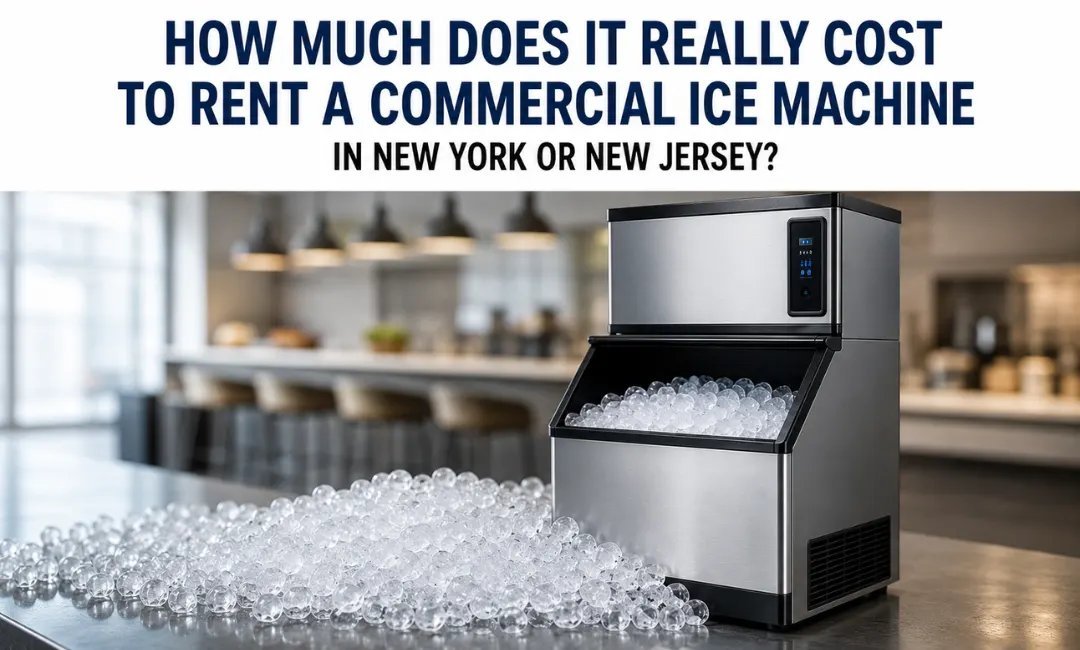
Different locations require specific electrical, physical, and plumbing upgrades that shift the total project budget.
| Situation | What changes | What to do instead |
|---|---|---|
| Hard tap water | Mineral scale clogs lines | Add dual-cartridge scale filter |
| Tight enclosed closet | High heat slows freezing | Use remote air-cooled condenser |
| No floor drain | Gravity drainage fails | Install electric condensate pump |
| Standard wall outlet | High amps trip breaker | Run dedicated electrical circuit |
| Low ice bin clearance | Full-size head won’t fit | Choose low-profile undercounter unit |
| Outdoor patio bar | Summer heat drops output | Pick outdoor-rated weather unit |
How to Budget for an Ice Maker
Selecting the right unit requires matching your physical space, utility layout, and true ice consumption to prevent waste.
- Measure your daily ice need by counting one and a half pounds per customer or beverage serving.
- Check your floor space, leaving at least seven inches around air vents for proper heat release.
- If your budget is tight, buy an air-cooled unit; if ambient room heat exceeds eighty degrees, select water-cooled equipment.
- Hire a licensed plumber to install a dedicated three-quarter-inch gravity drain line with an air gap.
- Place a dedicated water filter line between the supply valve and the machine inlet to stop lime.
- Verify the wall receptacle matches the machine voltage, checking if it requires a standard or higher-amp outlet.
Machine Setup Errors That Waste Money
Skipping the initial site inspection creates expensive problems that force owners to spend money twice on repairs.
- Skipping a dedicated water filter ruins the evaporator grid, forcing an early replacement of the most expensive internal part.
- Placing an air-cooled machine directly against a solid wall traps hot exhaust, making the compressor overheat and fail.
- Running drain lines uphill without an auxiliary pump causes dirty wastewater to back up straight into the clean ice bin.
- Using light household extension cords instead of direct wall power creates voltage drops that can damage the compressor.
Frequently asked questions
Can you put an ice maker outside?
No, unless the unit carries a certified outdoor rating label. Standard indoor units stop working when summer heat rises, and winter freezes crack internal water valves. Check the serial plate for outdoor approval before installing one outside.
Why do water filters matter for ice machines?
Water filters remove dissolved calcium and chlorine before they coat the freeze plate. Without filtration, lime scale blankets the metal grid, blocking heat transfer and causing the evaporator plate to fail long before its normal service life.
How long does an ice maker usually last?
About five to ten years with regular maintenance and daily use. Machines exposed to hard mineral scale or poor ventilation often fail within four years because the compressor runs hot and works double time.
Is it safe to clean an ice machine with bleach?
No, bleach corrodes nickel-plated evaporator plates and ruins internal rubber gaskets. Always use an approved nickel-safe acid cleaner, then sanitize with products certified specifically for commercial food-contact ice equipment.
What happens if an ice machine has bad airflow?
The compressor runs continuously without dropping the freeze plate temperature enough to drop a batch. This raises your electric bill, produces thin, hollow cubes, and causes the high-pressure safety switch to shut the unit down.
Does ice machine cube style affect the overall price?
Yes, clear gourmet cube and chewable nugget machines cost more than standard crescent or half-cube units. Nugget dispensers require continuous gear motors and stainless steel extruders that carry higher price tags than simple flat-plate batch evaporators.
Purchase costs vary based on your selected brand, ice shape, and physical build, so check manufacturer spec sheets to pick the right machine for your budget.
Ice machines, in short
Before you commit to a purchase, think about your daily habits and how much space you’ve actually got in your kitchen. It’s worth visiting a local showroom to see how these units run in person. You’ll find that choosing the right fit makes your routine much easier once it’s installed.
Related guides
Pingback: How Much Do Commercial Ice Machines Cost: Price Breakdown