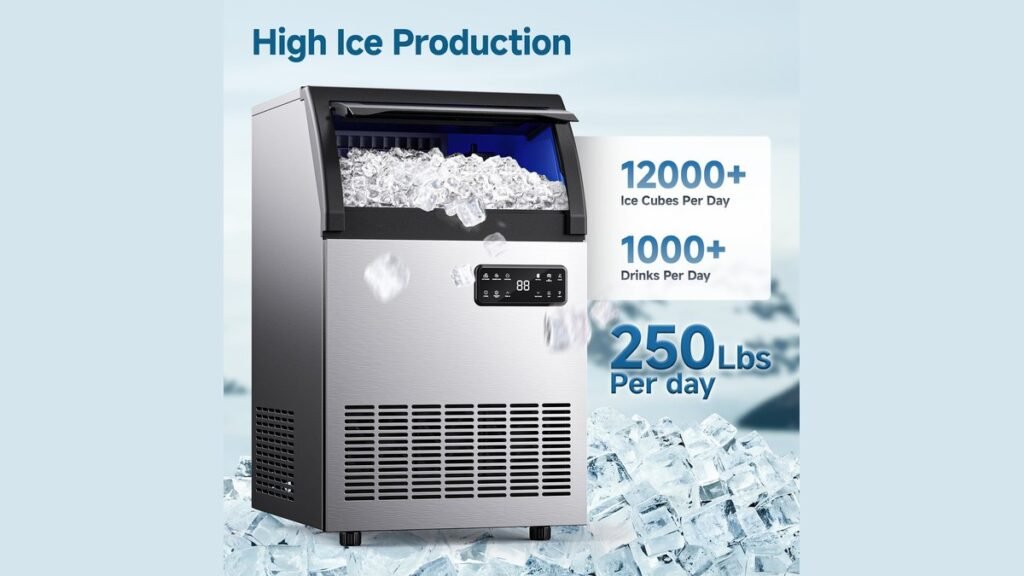
Most commercial ice machines have a long service life when they’re maintained according to the manufacturer’s schedule. If you skip cleaning, you’ll likely see the hardware fail in half that time, as scale buildup ruins the internal components and forces the compressor to work harder.
Usage and expected machine life
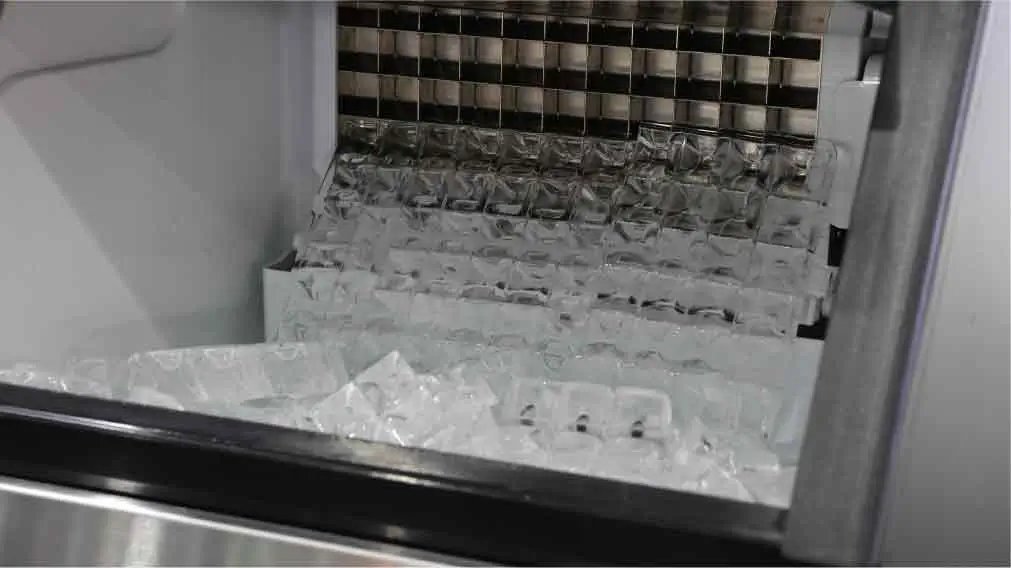
The lifespan of your equipment depends heavily on how much ice you produce and the quality of your local water supply. If you run the unit at full capacity every day, you should expect the lower end of the lifespan range.
| How you use it | How often | What tells you it’s due |
|---|---|---|
| Light daily use | Every 6 months | Mineral scale on evaporator |
| Medium daily use | Every 4 months | Ice cubes become smaller |
| Heavy restaurant use | Every 3 months | Machine makes loud noises |
| High-dust environment | Every 2 months | Reduced ice production rate |
| Hard water supply | Every 2 months | Visible white cloudy deposits |
Consequences of skipping maintenance
Neglecting your ice machine leads to a predictable decline in performance and safety. The first change you’ll notice is a drop in ice production, as mineral deposits on the evaporator plate act as an insulator, preventing the system from freezing water efficiently. Within a few months of skipped cleanings, the machine may experience harvest cycle failures or ice thickness errors because the sensors are coated in scale.
If you continue to ignore these signs, the internal water pump will eventually fail due to the added strain of pushing water through clogged lines. Once the pump fails, the entire cooling system often suffers permanent damage. Eventually, the cost of replacing the compressor or the circuit board will exceed the value of the machine, leaving you with no choice but to purchase a new unit.
Signs your machine is failing
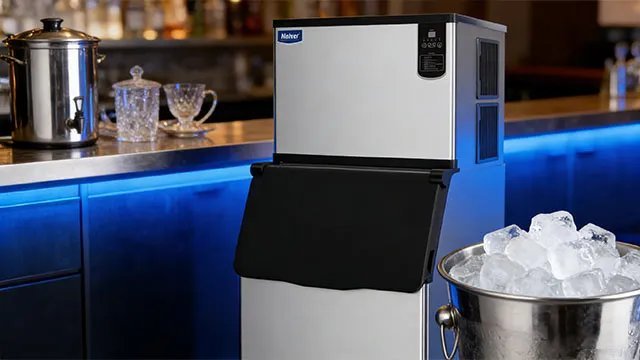
- Ice production slows down: The machine takes longer than the manufacturer’s rated time to fill the bin.
- Cubes look thin or cloudy: Mineral buildup prevents the water from freezing into a clear, solid cube.
- Loud grinding noises: The pump or fan motor is struggling against debris or failing bearings.
- Water leaks under the unit: A sign that internal hoses are cracked or that a drain line is blocked.
- Bad taste or odor: Bacteria or slime buildup has occurred inside the water distribution path.
- Frequent error codes: The control board is detecting faults in the harvest or freeze cycles.
Time and effort for maintenance
Cleaning a commercial ice machine typically takes 60 to 90 minutes for a standard setup. You’ll need a food-grade nickel-safe cleaner, a soft brush, and a clean cloth. The effort is moderate, focusing on sanitizing the water trough, the evaporator plate, and the bin. If you have a large-capacity unit or one with a remote condenser, the process might take longer. You should always consult the official service manual for your specific model to find the exact dilution ratio for chemicals. If you’re uncomfortable handling cleaning agents or reaching internal parts, it’s time to hire a professional service technician.
Habits to extend machine life
- Install a water filter: This reduces the mineral content entering the machine, which is the primary cause of scale buildup.
- Use the right chemicals: Always use cleaner approved by the manufacturer to avoid scratching the nickel plating on the evaporator.
- Clear the air intake: Vacuum the condenser coils monthly to ensure the machine can vent heat properly.
- Check door seals: Ensure the bin lid closes tightly to prevent warm air and dust from entering the storage area.
Frequently asked questions

Can I clean the machine myself?
Yes, you can perform routine cleaning if you have the manufacturer’s manual and the correct food-safe chemicals. Always check the documentation for your specific model before starting, as some machines require special settings to enter the cleaning mode safely without damaging the control board.
Why does my ice taste bad?
The taste is usually caused by mineral buildup or biofilm growth inside the water distribution system. If the problem persists after a deep cleaning, your water filter may be exhausted and require an immediate replacement to remove chlorine or sediment from the incoming supply.
Is it safe to use vinegar for cleaning?
No, vinegar is acidic and can corrode the protective nickel plating on many commercial evaporator plates. You must use a cleaner specifically formulated for your machine’s material to avoid voiding your warranty and causing permanent damage to the ice-making surface.
How often should I change the water filter?
You should change the water filter based on your usage levels and the manufacturer’s recommendations, or sooner if the pressure gauge shows a drop in flow. The exact interval is determined by your local water hardness and the volume of ice your machine produces during its daily operation.
Why is my machine leaking water?
A leak is often caused by a clogged drain line or a cracked water distribution tube. Check the drain hose for any blockages first, but if the water is coming from inside the cabinet, you should call a technician to inspect the seals and internal fittings.
Does the ambient temperature matter?
Yes, high room temperatures force the compressor to run longer and work harder to achieve freezing cycles. Keep the machine in a well-ventilated area away from heat-producing equipment like ovens to ensure it stays within its designed operating temperature range.
When should I replace the entire unit?
You should replace the unit when the cost of a single repair exceeds 50% of the price of a new machine. If the compressor fails or the evaporator plate is pitted, these major components are rarely worth the expense of a professional repair.
Conclusion
Start by checking your water filter and cleaning the condenser coils. If you notice clear, hard ice and the machine cycles normally, you have successfully extended the lifespan of your unit. If you see water pooling or hear metal-on-metal grinding, stop the machine and call a certified refrigeration technician.
Related guides