
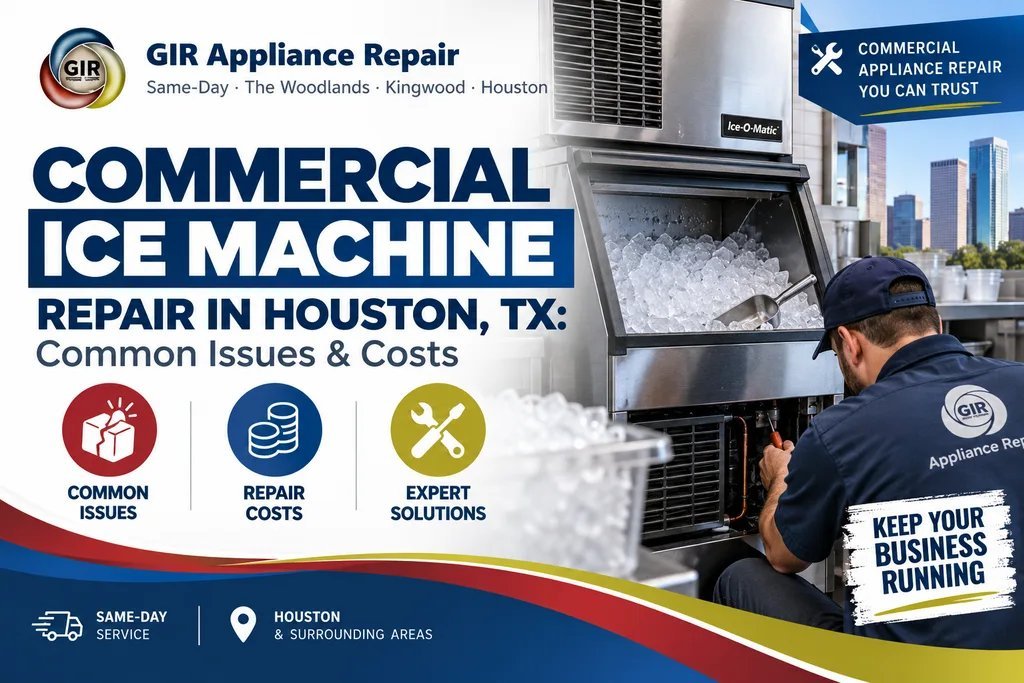
Standard entry-level commercial ice machines cost between $1,500 and $3,500, though high-capacity systems often exceed $6,000 depending on output and cooling type. These prices reflect the core machine, but installation and filtration systems add significant extra costs.
What commercial ice machines cost
- Small under-counter models typically start at $1,500 for low-volume needs.
- Mid-range modular machines for restaurants usually cost between $3,000 and $5,000.
- Large-scale industrial ice makers often exceed $7,000 due to production capacity.
- Expect to pay $500 to $1,500 for professional plumbing and electrical installation.
- Water filtration systems are required to maintain warranties and cost $200–$600.
- If you choose a water-cooled unit, factor in higher monthly utility consumption costs.
Why costs vary by unit
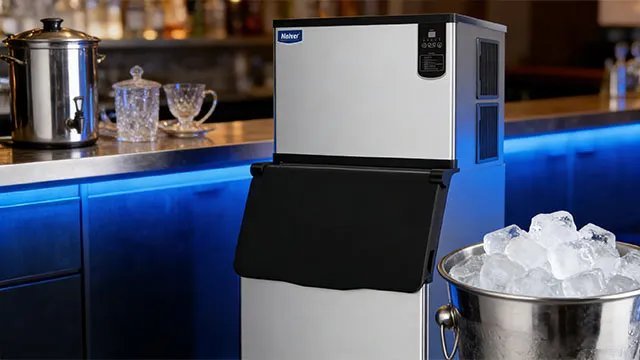
The total investment for an ice maker depends heavily on the production capacity and the cooling technology chosen. Small businesses often prioritize under-counter units to save space, while large venues require modular heads that stack onto large bins to meet high demand. You should always check the efficiency ratings of models, as high-efficiency units often qualify for local utility rebates that lower your upfront cost.
Internal components also drive price differences. Machines that use air-cooled condensers are cheaper to operate in ventilated spaces, but they struggle in hot kitchens. If your ambient air temperature stays above 80 degrees Fahrenheit, you might need a water-cooled model or a remote condenser system. These specialized setups cost more initially but prevent the machine from overheating and failing during peak business hours, which saves money on emergency repairs.
Cost differences based on usage
| Situation | What changes | What to do instead |
|---|---|---|
| High heat kitchen | Airflow efficiency | Use remote condenser |
| Limited floor space | Footprint size | Buy under-counter units |
| Hard water supply | Scale buildup | Add filtration system |
| High peak demand | Storage capacity | Use larger bins |
| Budget constraints | Upfront price | Lease the equipment |
How to install your machine properly
- Measure your available floor and vertical space, ensuring at least six inches of clearance on all sides for necessary air circulation.
- Install a dedicated water line with a shut-off valve, following the specific pipe diameter requirements listed in your machine’s owner manual.
- Connect a professional-grade water filter to the line; this prevents mineral scale, which ruins evaporators and voids many manufacturer warranties.
- Plug the unit into a dedicated electrical circuit that matches the voltage and amperage requirements stated on the machine’s silver nameplate.
- Level the machine using a spirit level on the top surface; if it sits crooked, ice won’t harvest into the bin.
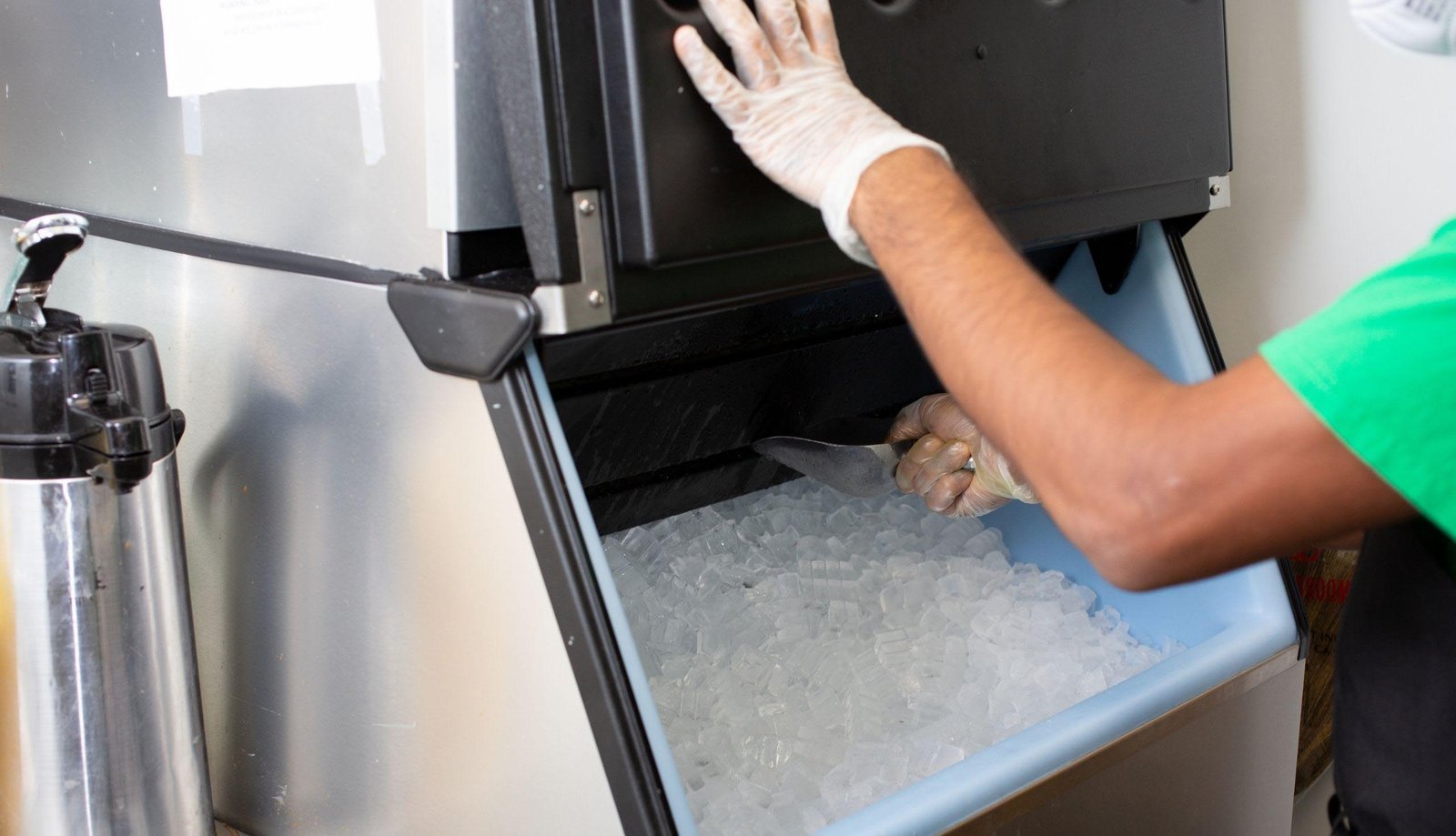
- Sanitize the bin and internal components using a food-safe ice machine cleaner, following the dilution ratios provided by the chemical manufacturer.
- Turn on the power and observe the first three harvest cycles to ensure the ice cubes drop cleanly into the storage bin.
Common mistakes that ruin machines
- Installing the unit in a non-ventilated closet causes the compressor to overheat, which destroys the motor within two years.
- Skipping the water filter leads to rapid scale buildup on the evaporator plate, which increases electricity usage by twenty percent.
- Ignoring the manufacturer’s cleaning schedule causes slime and mold growth, which forces you to pay for expensive professional sanitization services.
- Overloading the bin beyond its weight capacity can crack the plastic door or the bin frame, leading to costly structural repairs.
Can I install an ice machine myself?
Yes, you can perform the installation if you have experience with plumbing and electrical work. Always verify that your local building codes allow non-licensed installation, as many health departments require a permit or a certified technician for commercial food equipment setups.
Is it cheaper to lease or buy?
Leasing is often cheaper upfront, typically costing $100 to $300 per month including maintenance. Buying is cheaper over five years, but you must pay for all repairs, cleaning supplies, and replacement parts out of your own pocket when things break.
How often do I need to clean it?
You should deep clean and sanitize the machine every six months at a minimum. If your water has high mineral content or your kitchen is very dusty, you must increase this frequency to every three months to prevent performance loss.
Do I need a floor drain?
Yes, every commercial ice machine requires a nearby floor drain for the melt-water and the cleaning cycle discharge. If a drain isn’t available, you’ll need to pay for a condensate pump, which increases the total installation price significantly.
What happens if I use the wrong filter?
Using the wrong filter can lead to rapid scale accumulation or low water flow, both of which will slow down ice production. Check your manual for the specific flow rate and micron rating required by the manufacturer to maintain your warranty.
Does the ice shape affect the price?
Yes, specialty ice shapes like gourmet cubes or nugget ice often require more complex internal mechanisms than standard half-dice or full-dice machines. These specialty units usually carry a premium price tag and may require more frequent maintenance cycles.
Selecting the right equipment requires balancing your daily ice volume requirements against the physical constraints of your workspace. Always prioritize models that are easy to clean and maintain, as labor and service costs will eventually exceed the initial purchase price of the machine.
Related guides
Pingback: How Long Do Commercial Ice Machines Last: Lifespan Explained