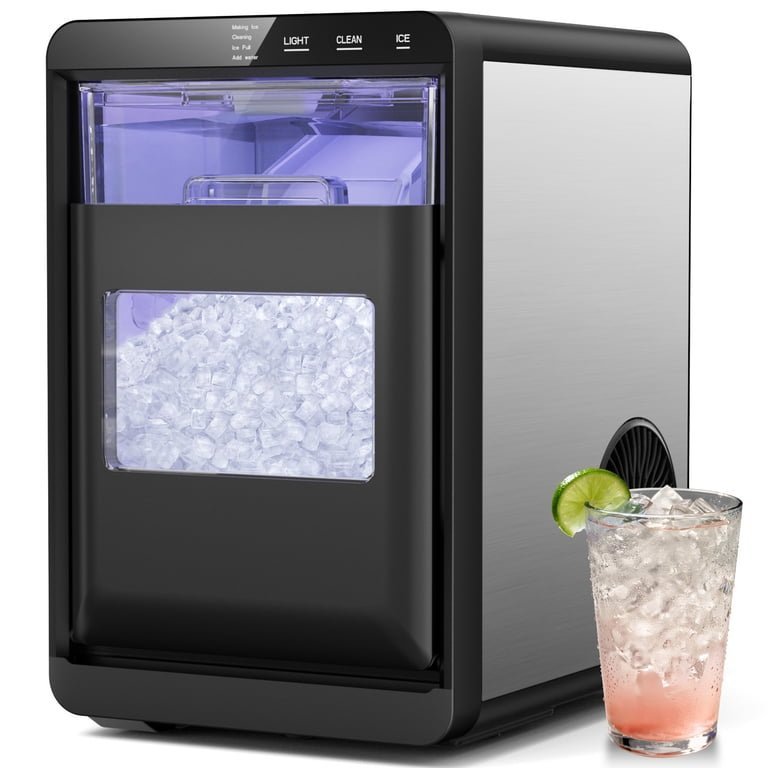
The machine that freezes water into solid, usable shapes is most commonly referred to as an ice maker or an ice machine. Depending on your specific location or the industry context, you might also hear it called an ice generator, an ice production unit, or simply a bin. While household appliances integrated into refrigerators are typically called “ice makers,” the standalone, high-capacity equipment found in restaurants and hotels is almost universally known as an “ice machine.” Understanding the terminology helps you navigate the market when purchasing or repairing these units, as different terms often lead to different categories of products.
Key Takeaways
- Distinguish between residential ice makers and commercial ice machines for proper sizing.
- Check the daily production capacity to ensure your unit meets your household or business needs.
- Prioritize units with an ENERGY STAR certified ice maker label to reduce long-term electricity consumption.
- Regularly descale your system to prevent mineral buildup and maintain optimal ice quality.
- Choose between air-cooled or water-cooled units based on your facility’s ventilation and plumbing capabilities.
What Is The Ice Machine Called?
While the term “ice machine” is the industry standard for commercial hardware, you may encounter specific regional or technical naming conventions. In a home kitchen, the device is usually part of a larger appliance, making “refrigerator ice maker” the standard term. In commercial settings, the machine is often referred to by the specific type of ice it produces, such as a “nugget ice maker” or a “flaked ice machine.” Understanding these nuances ensures you communicate effectively with repair technicians or sales representatives when sourcing parts or new equipment.
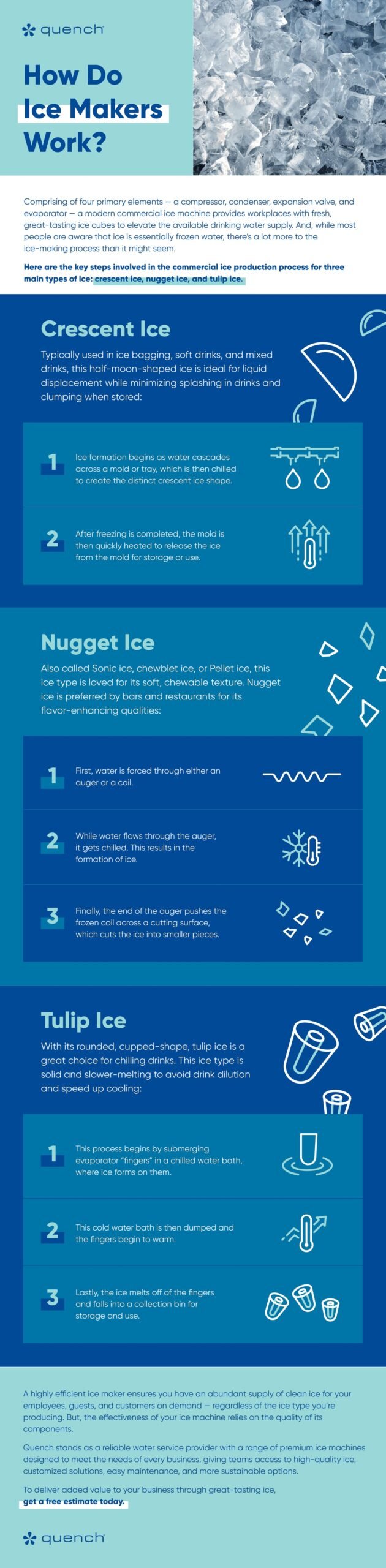
Common Types Of Ice Machines
Choosing the right device depends on the shape and volume of ice required for your specific application.
| Ice Type | Best Use Case | Typical Shape |
|---|---|---|
| Cube | Cocktails and sodas | Solid square or dice |
| Nugget | Soft drinks and smoothies | Chewable, porous pellets |
| Flake | Seafood displays and medical | Small, soft shards |
| Gourmet | High-end whiskey and spirits | Large, clear spheres or cubes |
How To Size Your Equipment
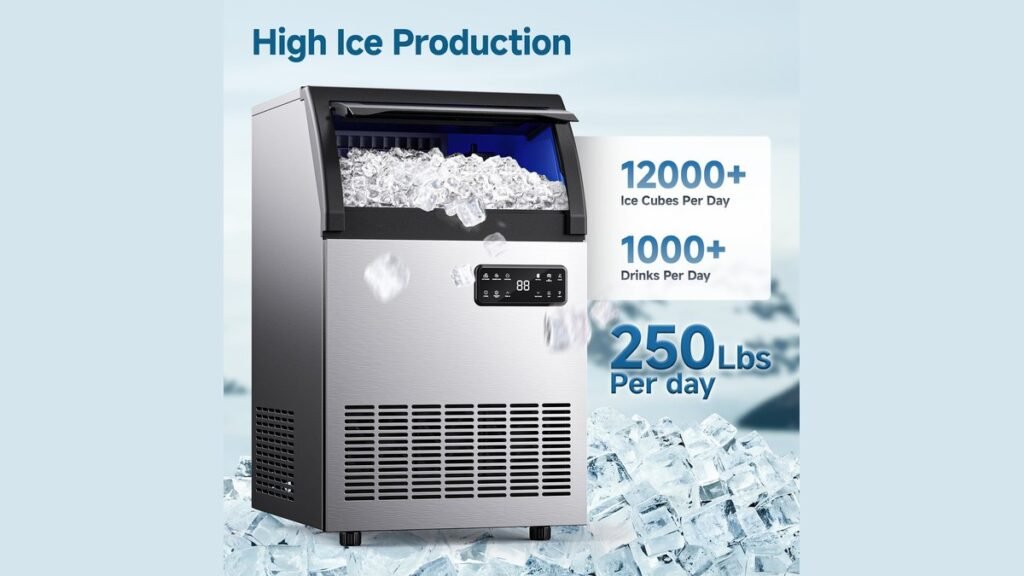
Sizing is perhaps the most critical step in the procurement process. An undersized unit will leave you without inventory during peak hours, while an oversized unit wastes energy and space. For residential use, a machine producing 12 to 25 pounds of ice per day is usually sufficient for a standard family. Commercial entities, such as bars or restaurants, often require units producing 250 to 1,000 pounds per day. Always calculate your “peak hour” demand rather than just your daily average to ensure you never run dry.
Installation And Maintenance Requirements
Warning: Always consult a licensed plumber when installing a water-cooled machine to prevent leaks and ensure compliance with local building codes.
Proper installation requires a dedicated water line and an appropriate drainage system. Air-cooled models need significant clearance around the sides and back to allow for heat dissipation. If you place a machine in a cramped, unventilated closet, the internal compressor will overheat, leading to premature failure. Maintenance involves replacing water filters every six months and performing a deep clean of the ice bin to prevent mold or bacterial growth.
Comparing Air And Water Cooling
| Feature | Air-Cooled Units | Water-Cooled Units |
|---|---|---|
| Energy Efficiency | Moderate | High |
| Installation | Simple | Complex (plumbing required) |
| Environment | Vented areas | Confined, hot spaces |
| Maintenance | Cleaning air filters | Cleaning water circuits |
Troubleshooting Common Operational Issues
Even the best-maintained machines will eventually encounter minor hiccups. If your ice is cloudy, it’s often due to high mineral content in your water supply, which can be mitigated by installing a reverse osmosis filtration system. If the machine is running but not dropping ice, check for a stuck harvest sensor or a low refrigerant level.
- Low Ice Production: Usually caused by a clogged air filter or an ambient temperature that’s too high.
- Noisy Operation: Often indicates a loose fan blade or a failing water pump that requires immediate attention.
- Small Or Malformed Ice: Frequently linked to an incorrect water-to-ice cycle timing or a restricted water supply line.
Professional Cleaning Procedures
Pro Tip: Use food-grade nickel-safe cleaning solutions to prevent corrosion on the evaporator plate during your routine maintenance sessions.
Regular sanitation isn’t optional. Manufacturers recommend a deep cleaning cycle at least twice a year. This process involves removing all loose ice from the bin, applying a specialized descaling agent, and running the machine through a full wash cycle. Once the cycle concludes, you must sanitize the interior surfaces with a food-safe disinfectant to ensure the ice produced remains clean and free of biological contaminants.
Frequently Asked Questions
Why is my ice machine making small cubes?
Small or “hollow” cubes usually indicate that the water flow is restricted or the cycle timer is set incorrectly. Check your water filter for clogs or mineral buildup that might be preventing the proper amount of water from reaching the mold. If the filter is clean, the machine’s internal thermostat or sensor may need recalibration by a professional technician to restore normal size.
How often should I replace water filters?
For most residential and light commercial units, you should replace your water filter every six months. If your local water supply is particularly hard or has high sediment content, you may need to replace it every three to four months. Using an expired filter can lead to scale buildup, which slows down production and creates unpleasant tastes or odors in your ice.
Can I install a commercial machine at home?
Yes, you can install a commercial ice machine in a home, provided you have the necessary space, ventilation, and plumbing. However, commercial units are often much louder than residential appliances because they use powerful fans to keep the compressor cool. You must ensure your home’s electrical circuit can handle the higher amperage requirements typically found in commercial-grade equipment before attempting installation.
What causes ice to taste strange?
Strange-tasting ice is almost always caused by impurities in the water supply or a dirty ice bin. If the ice tastes like plastic or chemicals, it could be a sign that the machine’s internal plastic components are degrading or that a cleaning agent wasn’t properly rinsed out. Always ensure your water filter is rated to remove chlorine and odors to keep the ice flavor neutral.
Is it necessary to use a professional for repairs?
While you can perform basic cleaning and filter changes yourself, you should hire a professional for any mechanical or electrical repairs. Ice machines involve complex refrigeration cycles, high-voltage wiring, and sensitive electronic sensors. Attempting to repair the compressor or the refrigerant system without proper training and specialized tools can void your warranty and pose significant safety risks to you and your home.
Selecting the right ice machine requires balancing your specific volume needs with the mechanical requirements of your space. Whether you’re upgrading a home bar or outfitting a professional kitchen, focus on regular maintenance to protect your investment. Start by measuring your daily ice usage to determine if you need a high-capacity commercial unit or a compact residential model.