
A standard countertop ice maker machine costs between $150 and $300, while high-capacity under-counter units range from $1,500 to $4,000 depending on installation needs.
Choosing the right unit
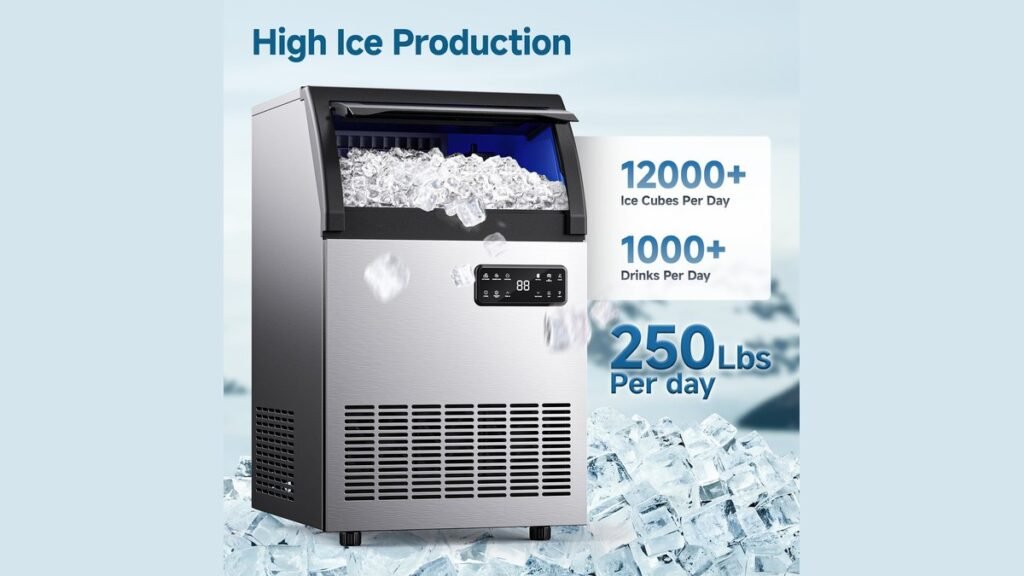
The main factor deciding your satisfaction is daily ice production capacity. A common mistake people make is buying a small model that can’t keep up with their family or office needs, leading to constant refilling or empty bins. Always check the manufacturer’s label for “pounds per day” to ensure it matches your household demand. If you need a unit for a commercial setting, ensure the device meets the NSF International food equipment standards for sanitation and safety.
Installing and operating your ice maker
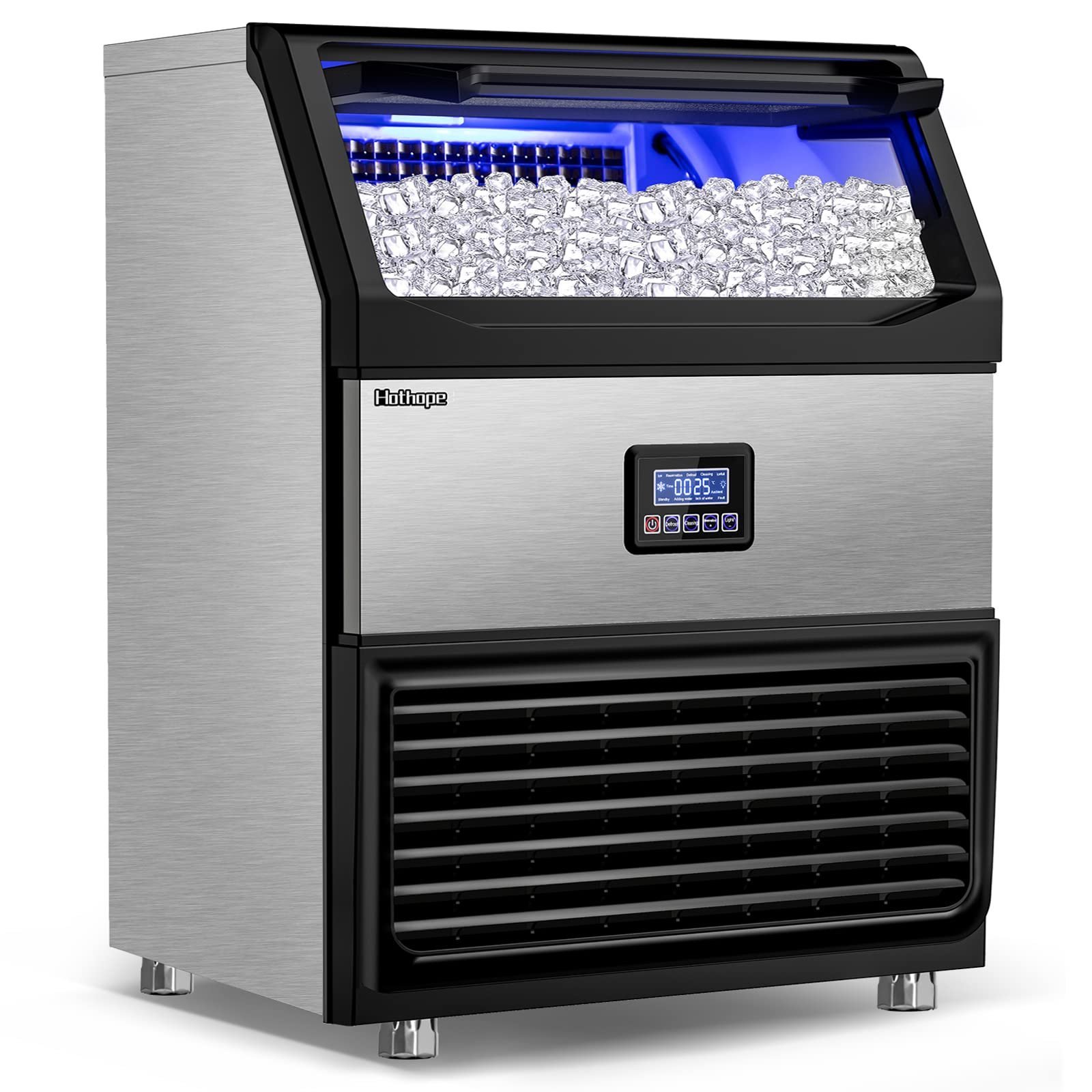
- Place the unit on a flat, level surface with at least 6 inches of clearance on all sides for proper ventilation.
- Plug the machine into a dedicated grounded outlet to prevent circuit overloads that can trip your breaker.
- Pour fresh, filtered water into the reservoir up to the fill line, or connect the water supply line if your model supports continuous feed.
- Select your ice size setting using the control panel, then press the start button to begin the first cycle.
- Wait for the initial cycle to finish, which usually takes 10 to 15 minutes, before the first batch of ice drops into the bin.
- Clean the interior reservoir with a mild vinegar solution every 30 days to prevent mineral buildup and bacteria.
Tip: If you see the “add water” light blinking, check that the drain plug is fully sealed at the bottom of the reservoir.
Tip: Never use harsh chemicals or abrasive scrubs on the plastic interior, as this can create small cracks where mold grows.
Time requirements for production
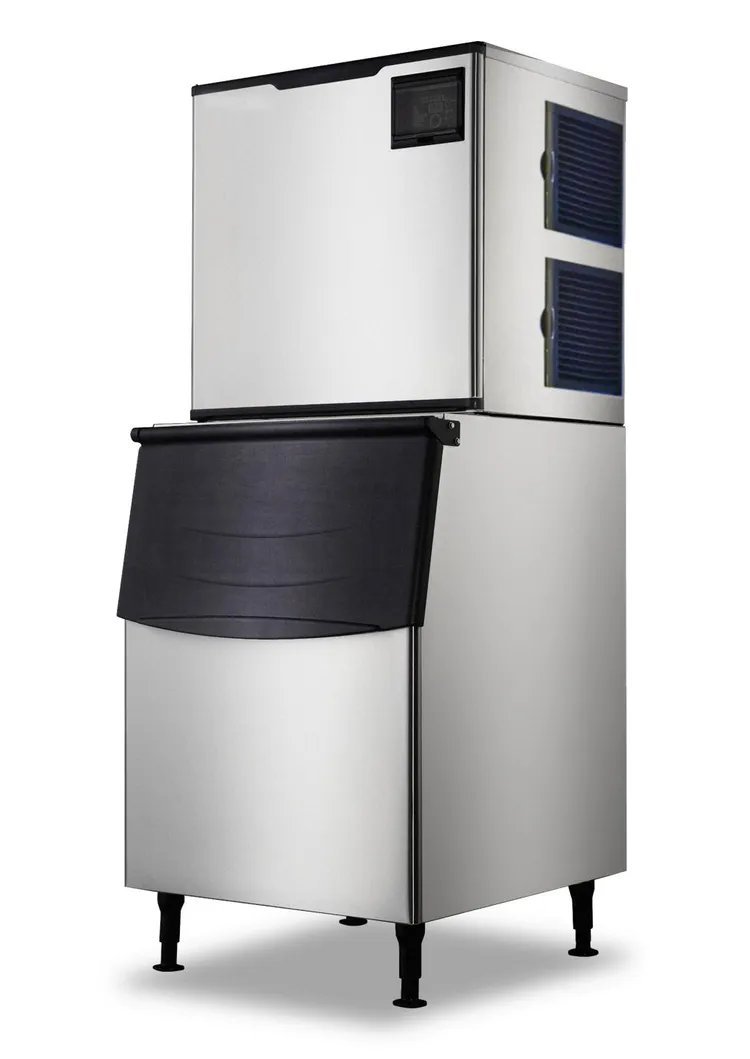
Production time varies based on the ambient room temperature and the starting temperature of your water supply. The following table provides estimates for standard residential machines during typical indoor conditions.
If the machine takes more than 30 minutes for a single batch, check if the room is too hot or if the intake vents are blocked by dust.
Verifying completion and quality
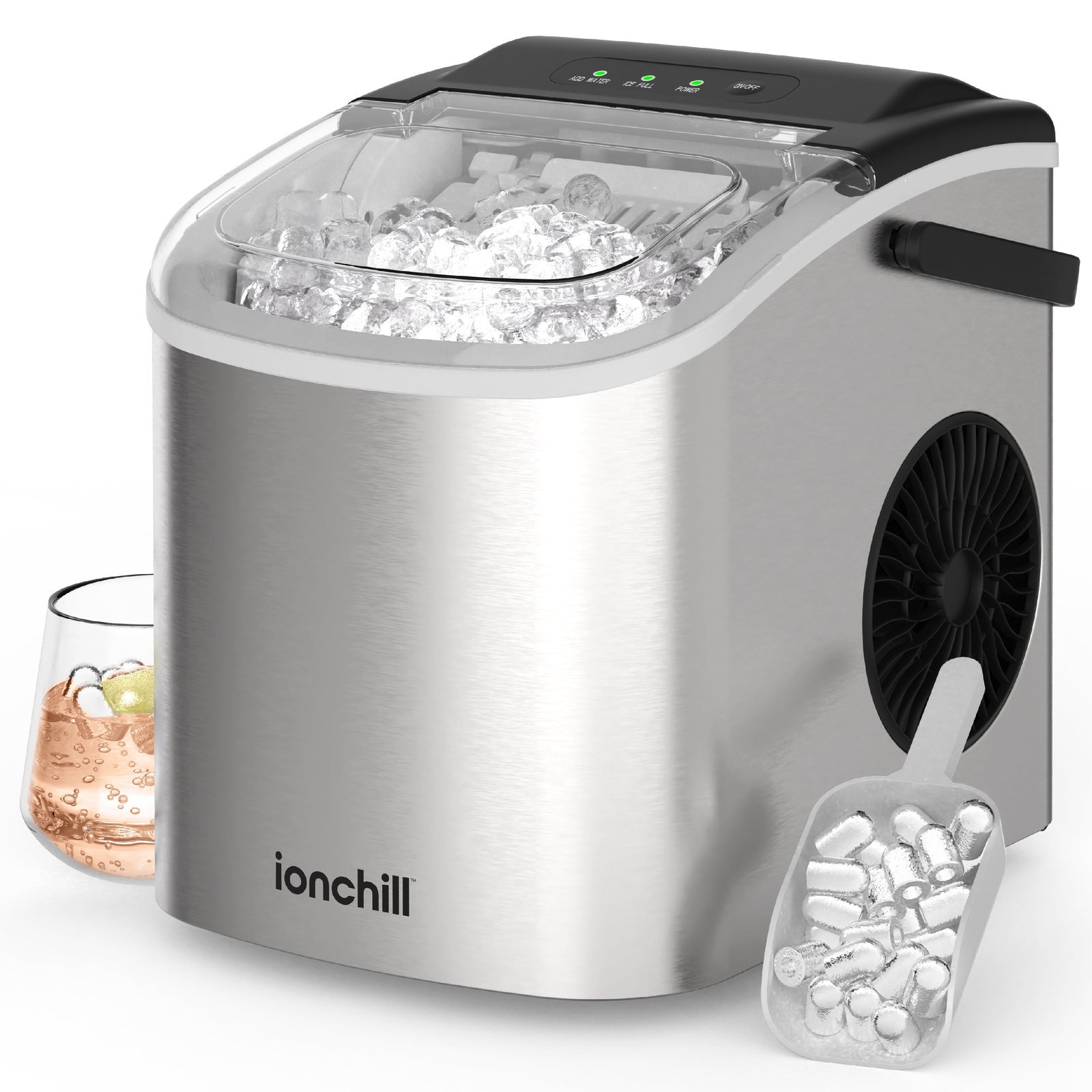
You know the ice is ready when the machine stops the harvest cycle and the bin sensor detects enough ice to pause production. High-quality ice should be clear, hard, and free of white cloudiness, which usually indicates trapped air or mineral impurities. If the ice comes out slushy or soft, the machine is likely struggling to reach the correct internal temperature. Always verify the ice quality by checking for a clean, neutral taste; if it smells like plastic, perform an extra cycle with a diluted lemon juice solution and discard the output.
Common operational errors
- Neglecting regular descaling: Failing to remove mineral deposits causes the internal pump to fail and ruins the ice flavor. Always use a manufacturer-approved descaling solution every month to keep the lines clear.
- Blocking ventilation ports: Placing the machine too close to a wall prevents heat from escaping, which forces the compressor to work harder and shortens its lifespan. Always maintain the manufacturer’s recommended space around all sides of the unit.
- Using water that’s too warm: Filling the reservoir with hot water forces the cooling system to work longer to reach the freezing point. Always start with cold, filtered water to save electricity and speed up the cycle time.
Is it safe to leave an ice maker on all the time?
Yes, most modern home ice makers are designed to stay plugged in permanently. They use a sensor to detect when the bin is full and will automatically stop producing ice until you remove some, so you don’t need to turn it off manually between uses.
How much water does an ice maker use?
It uses approximately one gallon of water to produce roughly 8 to 10 pounds of ice. This ratio is consistent across most residential models, though you should check your specific manual if you’re tracking water consumption for a small off-grid solar system.
Why is my ice maker making loud noises?
It’s likely that the unit isn’t sitting on a perfectly level surface, which causes the internal fan or pump to vibrate against the casing. Try adjusting the feet of the machine until it’s steady; if the noise persists, contact the manufacturer for a professional inspection.
Can I use tap water in my ice maker?
Yes, you can use tap water, but using filtered water is better for the machine. Tap water often contains minerals that build up inside the freezing mechanism, which forces you to clean the unit more frequently than if you used softer, filtered water.
What happens if the power goes out?
The ice inside the bin will begin to melt, and the water will drain into the reservoir. Once the power returns, the machine will typically restart its cycle automatically; check the bin and reservoir for melted water before resuming operation.
How long does a countertop ice maker last?
It lasts between three and five years with regular cleaning and daily use. You can extend this life by keeping the vents clean and ensuring the machine is never operated in direct sunlight or near heat sources like ovens or windows.
Proper maintenance is the best way to protect your investment. If you notice a persistent leak or the machine stops cooling entirely, turn it off at the wall and consult a qualified appliance technician, as internal repairs involve electrical components that can be dangerous to handle without training.
Pingback: How to Turn On Ice Machine: Simple Steps for Any Model