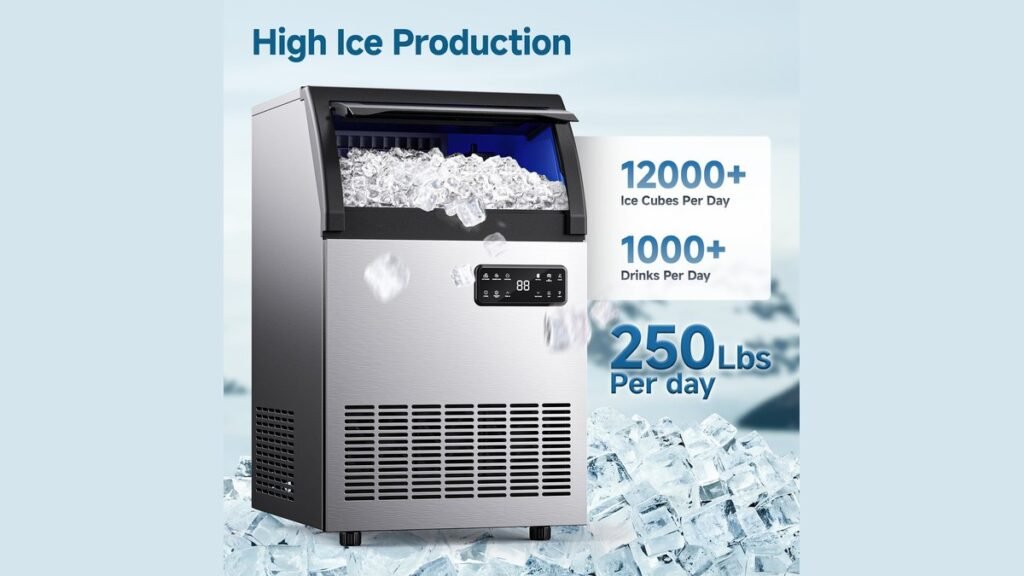
Starting a small-scale ice machine business costs between $3,000 and $15,000 for equipment and basic licensing, while a larger route with multiple commercial units can easily exceed $50,000. How much does an ice machine business cost depends primarily on whether you buy new high-output machines or refurbished units for your initial inventory.
Your biggest challenge is balancing equipment quality with your budget. If you buy cheap, used machines, you’ll pay more in maintenance and lost sales when they break down. If you buy brand-new units, your initial debt is higher, but you get a full manufacturer warranty. The most common mistake is failing to secure a reliable water supply and local health permit before buying hardware; this oversight leaves you with expensive, useless equipment in a garage.
Setting Up Your Operations

- Secure your business license and a commercial food handler’s permit from your local county clerk’s office.
- Scout high-traffic locations like apartment complexes, marinas, or gas stations that lack nearby ice access.
- Purchase commercial-grade ice machines that meet the NSF International food equipment standards for sanitation and safety.
- Install your units using a licensed plumber to ensure the water intake meets local building codes.
- Create a consistent cleaning schedule to remove mineral buildup and biofilm according to the manufacturer’s manual and local health department requirements.
- Set up a payment system that includes a secure coin mechanism or a digital reader for contactless transactions.
Tip: Avoid placing machines in direct sunlight, as this forces the compressor to work harder and significantly shortens the machine’s lifespan.
Tip: Always keep a spare water filter on hand, as clogged filters are the primary cause of poor ice quality and mechanical failure.
Timeframe for Market Entry
The time from planning to your first sale varies by your location’s permit speed and site availability. This assumes you’re working with a single machine in a ready-to-use location; for a multi-unit route, allow at least four months for site negotiations and installation.
| Situation | How long | What changes it | What to watch for |
|---|---|---|---|
| Single unit, own land | 2–4 weeks | Permit processing speed | Local zoning laws |
| Single unit, leased site | 6–10 weeks | Lease negotiation | Utility access costs |
| Multi-unit route | 4–6 months | Site availability | Supply chain delays |
If the process takes longer than these windows, check if your local health department has specific requirements for commercial ice production that your chosen site doesn’t currently meet.
Signs Your Machine is Ready

You can verify your machine is working correctly by checking the ice clarity and the harvest cycle time. A properly functioning machine produces clear, solid cubes; cloudy or soft ice often indicates a faulty thermostat or a dirty water filter. Listen for the harvest cycle, which should be consistent and rhythmic. If the machine makes loud grinding noises, stop it immediately and call a certified technician. A technician is required for any electrical or refrigerant work, as these parts can hold a lethal charge even when the unit is unplugged.
Mistakes That Ruin Profitability
- Buying underpowered equipment: You lose money when your machine can’t keep up with peak demand in hot summer months. Always choose a machine with a daily production capacity that exceeds your busiest day by at least 20 percent.
- Ignoring water quality: Hard water causes scale buildup that ruins internal components and ruins the taste of the ice. Install a high-quality water softener or filtration system tailored to your local water hardness level.
- Neglecting site maintenance: A dirty or unkempt machine drives customers to competitors. Schedule deep cleans according to manufacturer specifications and local health codes, and wipe down the exterior and dispensing area daily to keep it inviting.
- Underestimating utility costs: Electricity and water are your highest recurring expenses. Budget for these monthly to ensure your price per bag remains profitable after all overhead is paid.
Frequently asked questions
Can I start an ice machine business from home?
No, you can’t legally operate an ice machine business from a residential home because commercial ice production requires specific food-grade safety permits and zoning. You must install your equipment in a commercial space or a designated public area that meets your local health department’s regulations for food storage and distribution.
How much profit can one ice machine make?
One well-placed commercial ice machine can generate $500 to $1,500 in monthly revenue depending on local demand and pricing. Your actual profit depends on your overhead costs, such as electricity, water, site rent, and the maintenance schedule required to keep the machine running at its peak efficiency.
Is it safe to buy used ice machines?
It’s safe to buy used ice machines only if you have a certified technician inspect the compressor and evaporator plate before you pay. Used machines often have hidden scale damage or failing seals that can cost more to repair than buying a new, warrantied machine from a reputable manufacturer.
How often do I need to clean the machine?
You must perform a deep cleaning of the internal water system and storage bin at the frequency recommended by the manufacturer and local health authorities to prevent mold and bacteria growth. In areas with high humidity or poor water quality, you should increase this frequency to every three or four months to ensure the ice remains food-safe.
What happens if the machine breaks?
If your machine breaks, you must immediately shut off the power and water supply to prevent further damage or safety risks. Contact a professional refrigeration technician to diagnose the issue, as attempting to repair electrical or refrigerant systems yourself can void your warranty and create serious safety hazards for customers.
How do I find a profitable location?
A profitable location is found by identifying high-traffic areas where customers need ice but have no nearby retail access. Look for marinas, campgrounds, or busy rural gas stations where the convenience of 24/7 self-service ice justifies a higher price per bag compared to a standard grocery store.
Ice machine, in short
The success of this venture relies on your willingness to perform regular, tedious maintenance. An ice machine is a mechanical device that requires constant care to remain profitable. If you aren’t prepared to clean the unit regularly or manage the utility costs, the equipment will eventually fail, turning your investment into a liability. Always prioritize sanitation and site location over cheap hardware to keep your business running for years.