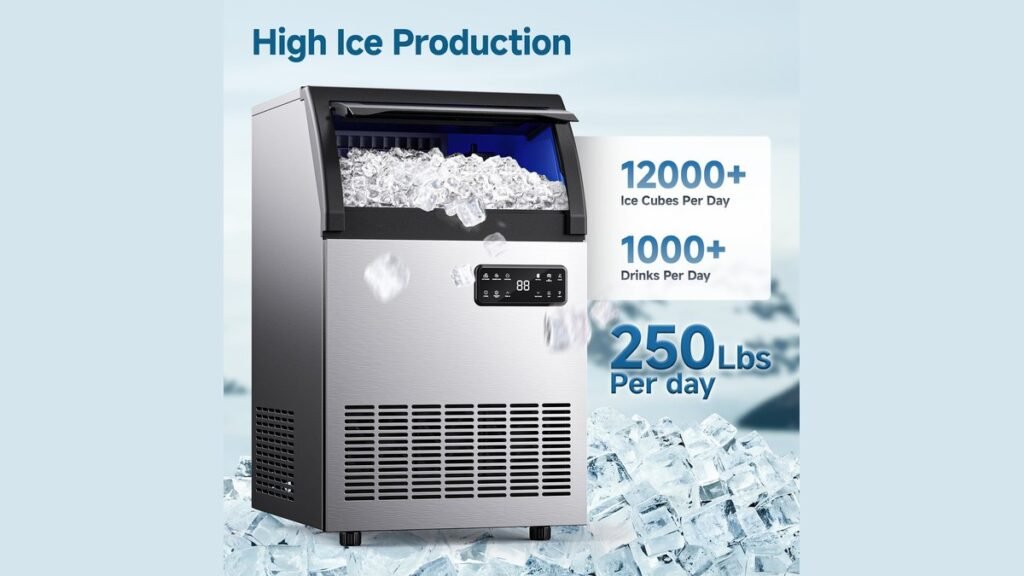
You should expect to spend between $200 and $600 for a reliable residential countertop unit, while professional under-counter models often cost between $1,500 and $4,000. Deciding how much to spend on an ice machine depends on your daily volume needs and whether you require a built-in drainage system for constant use.
Choosing the right machine starts with measuring your available kitchen space and identifying your water supply access. If you have a dedicated water line, you can install a continuous-production unit; if not, you must choose a manual-fill model. The most common mistake is ignoring the unit’s ice production capacity per day. Many people buy a machine that’s too small for their family, forcing them to wait hours for a fresh batch while the bin stays empty.
Setting Up Your New Ice Maker
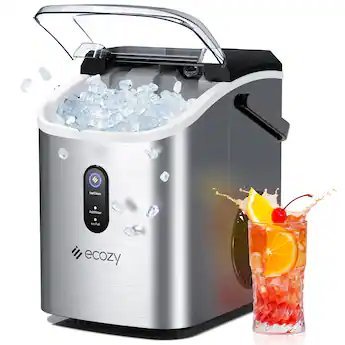
- Choose a location with at least six inches of space on all sides to ensure proper airflow for the cooling compressor.
- Connect the unit to a cold water supply line using a quarter-inch food-grade plastic tube if your model supports automatic filling.
- Clean the interior water reservoir and ice bin with a mild solution of one part white vinegar to ten parts water before the first use.
- Plug the unit into a dedicated grounded wall outlet that meets the electrical requirements specified on the manufacturer’s data plate.
- Run the initial two cycles of ice and discard them entirely to flush out any manufacturing dust or residue from the internal lines. * Tip: If you notice a plastic taste, check the NSF International food equipment certification to ensure your machine meets health standards for food-contact surfaces.
- Check the drain hose position if your unit has a gravity drain, ensuring it slopes downward to prevent water from backing up into the bin. * Tip: Never lift a heavy under-counter unit alone; ask a second person to help to avoid back injury or damaging the internal cooling coils.
Installation and Production Timeframes
The time required to generate ice varies significantly based on the ambient room temperature and the starting temperature of your water supply.
| Situation | Setup Time | What changes it | What to watch for |
|---|---|---|---|
| Countertop Manual | 30 minutes | Water temperature | Scale buildup |
| Built-in Under-counter | 3 hours | Plumbing distance | Water leaks |
| High-capacity Commercial | 6 hours | Ambient humidity | Filter status |
If your machine takes longer than the manufacturer’s specified cycle time, check if the intake vents are blocked by dust or debris.
Verifying Machine Performance
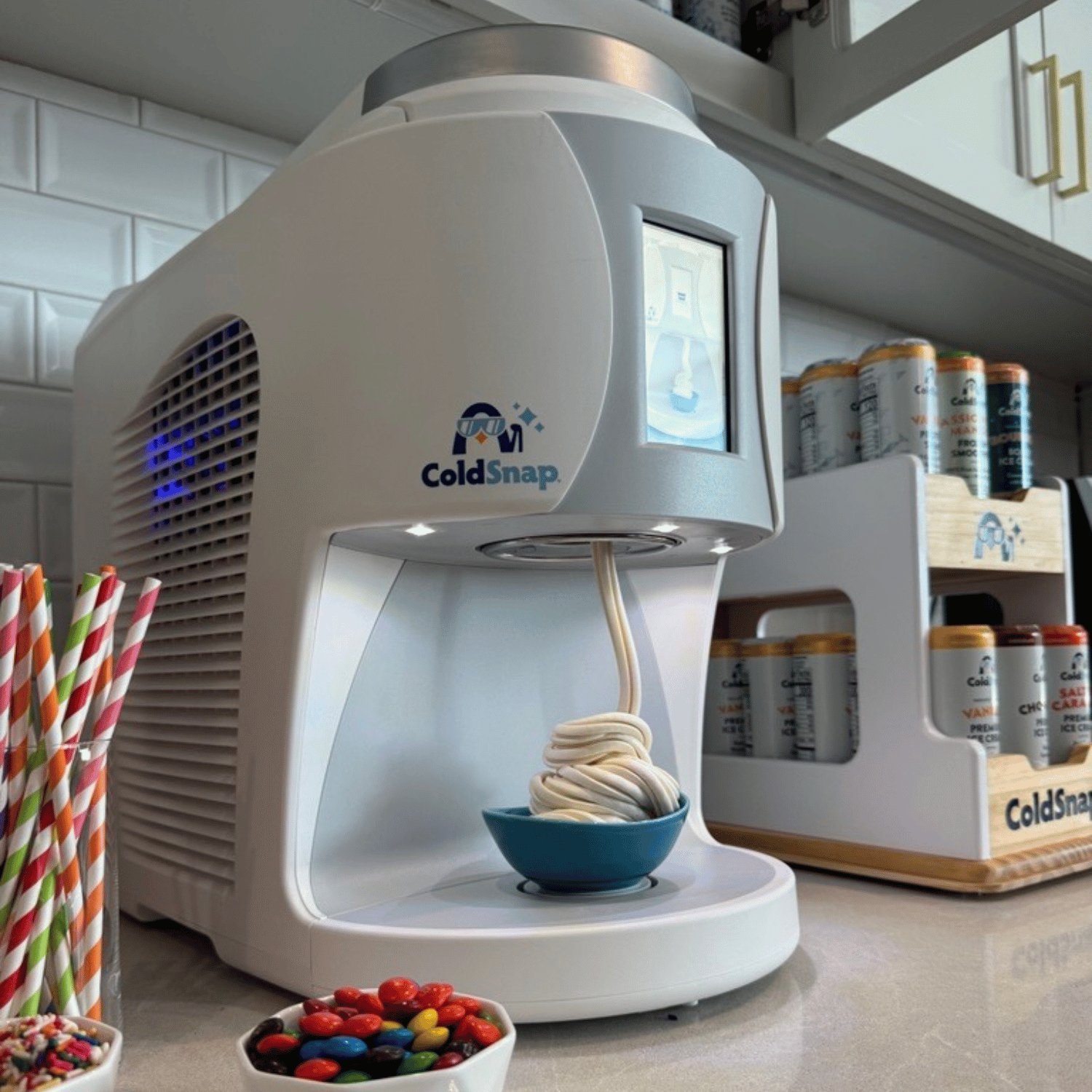
You can tell the machine is working by listening for the compressor hum and watching the water pump cycle. A productive machine will drop a full tray of ice every 15 to 30 minutes, depending on the model’s power rating. Check that the ice cubes are solid and clear rather than cloudy or slushy, which indicates an issue with the freezing cycle or water quality. The most reliable test is to leave the unit running for 24 hours to see if it reaches its advertised daily production limit, which is listed on the back label.
Common Operational Errors
- Ignoring water filtration: Using hard water without a filter causes mineral buildup in the pump, which stops the ice from dropping after only a few months. Use a dedicated water softener or inline filter to protect the internal components.
- Overloading the bin: Pushing ice into the sensor area tricks the machine into thinking the bin is full, causing it to shut off prematurely. Keep the sensor area clear so the machine can continue producing ice until the bin is truly at capacity.
- Poor ventilation: Placing the unit inside a closed cabinet prevents heat from escaping, forcing the compressor to work harder and increasing your electricity bill. Always leave the required clearance space stated in your user manual to avoid overheating.
Is it safe to leave an ice machine on all the time?
Yes, it’s safe to leave a residential ice machine on 24 hours a day provided it has proper ventilation. The machine is designed to enter standby mode once the bin is full, which prevents the unit from wasting energy or overworking the motor while you’re away.
How often do I need to clean the machine?
You should clean your ice machine every three to six months to prevent mold and bacteria growth. If you live in an area with hard water, you may need to descale the unit more often to keep the pump working correctly according to the manufacturer’s maintenance schedule.
Can I use distilled water in my ice machine?
No, it’s better to use filtered tap water because many ice makers require the minerals in regular water to detect the water level. Check your manufacturer’s manual regarding water quality requirements, as some machines may have specific mineral content recommendations for optimal performance.
What happens if the power goes out?
Most modern ice makers will automatically restart once power returns, but you should discard any ice that melted during the outage. Melted water can refreeze into a solid block, which may damage the ice-harvesting mechanism or jam the mechanical bin auger when the machine tries to cycle again.
How do I know if my ice machine needs a professional?
You need a professional if you see water leaking from the base or if the unit makes a loud grinding noise. Never open the electrical housing yourself, as the internal components can hold a dangerous electrical charge even when the unit is unplugged from the wall outlet.
How much electricity does an ice machine use?
A standard countertop ice machine uses between 100 and 200 watts while actively freezing water. Your actual energy cost depends on your local utility rate and how many hours the machine runs per day, so check your monthly energy bill for your specific price per kilowatt-hour.
Choosing the right equipment helps you avoid hidden costs like premature repairs or high electricity bills. Always verify the specific requirements on the manufacturer’s label before you finalize your purchase to ensure the model fits your home’s water and electrical setup.
Related guides