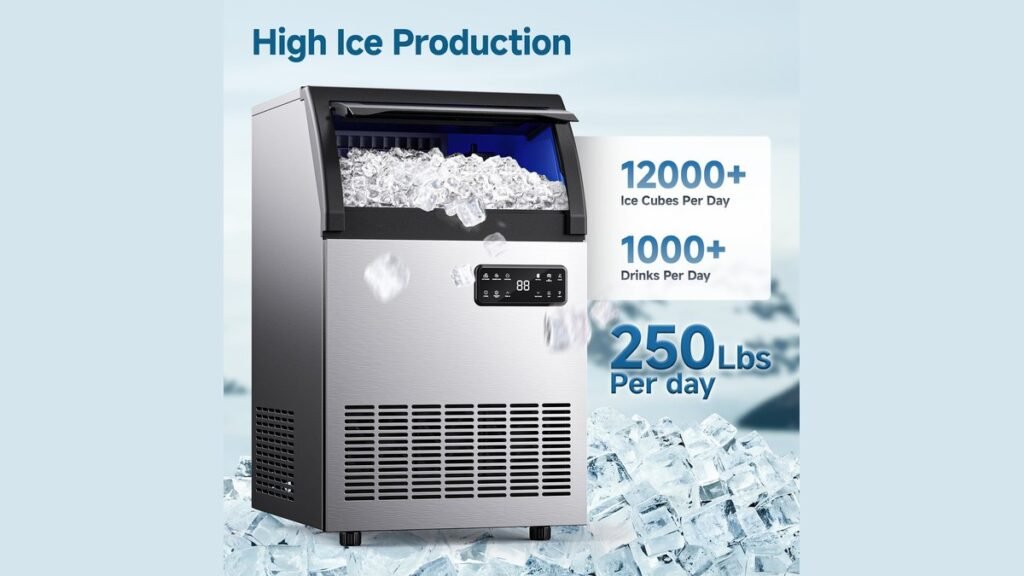
You can expect to pay anywhere from $200 for a small countertop unit to over $6,000 for a professional-grade commercial model, as the price of an ice machine depends entirely on your daily output needs and installation requirements. Always verify the power and plumbing needs before you purchase any equipment.
Choosing the right machine starts with knowing your actual ice consumption. If you buy a unit that’s too small, you’ll run out during busy times; if you buy one that’s too large, you waste money on electricity and maintenance.
The most common mistake is ignoring the clearance space required for ventilation. Most machines need at least six inches of space on the sides and back to prevent the compressor from overheating.
Setting Up Your Ice Maker
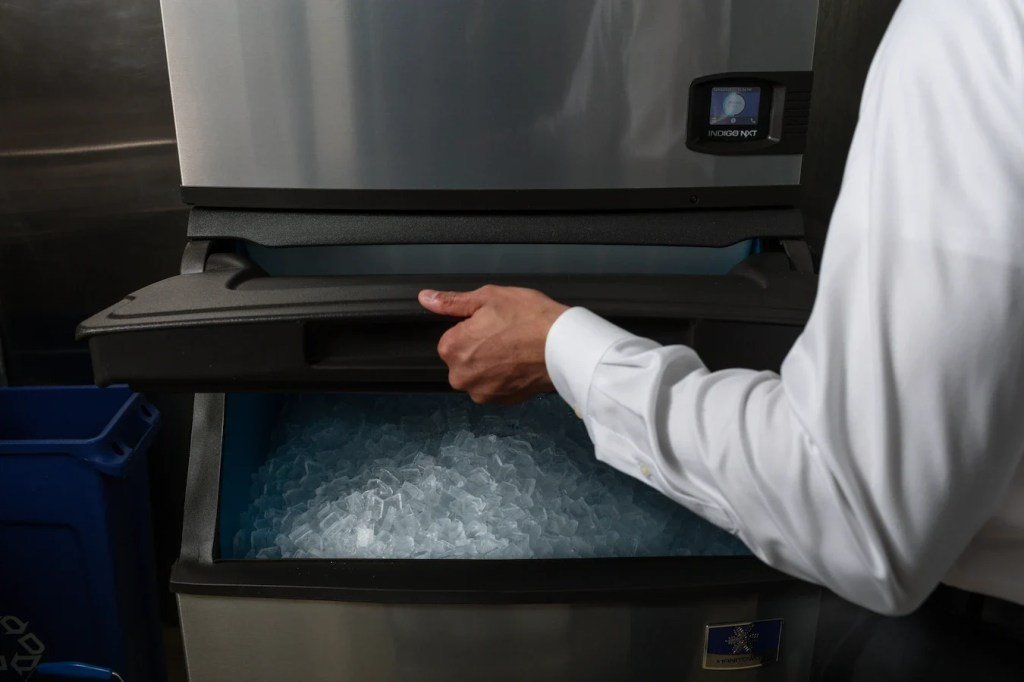
- Choose a location with a grounded electrical outlet and a dedicated water line connection.
- Level the machine using a spirit level on all four sides to ensure the water flows evenly across the evaporator plate.
- Connect the water supply line using the manufacturer’s approved fittings, ensuring you include a shut-off valve for easy maintenance.
- Install an inline water filter if your local water supply is hard, as scale buildup is the leading cause of early pump failure.
- Plug the unit into the power source and run a full cleaning cycle before you collect the first batch of ice for consumption. Tip: Don’t use the first three batches of ice produced; they often contain manufacturing dust or plastic residue from the internal lines.
- Check the NSF International food equipment standards to confirm your machine meets the necessary health and safety requirements for sanitation.
Time and Cost Breakdown
The time required to produce ice varies by the ambient temperature and the water temperature. This table assumes a standard room temperature of 70°F and water at 50°F; if your room is warmer, expect the cycle to take about 20% longer.
| Situation | Time for First Batch | What changes it | What to watch for |
|---|---|---|---|
| Countertop model | 10–15 minutes | Ambient heat | Full bin sensor |
| Undercounter unit | 30–60 minutes | Water pressure | Filter status light |
| Commercial bin unit | 2–4 hours | Water temp | Scale buildup |
If the machine takes more than double these times, check that the air vents aren’t blocked by walls or debris.
Verifying Production Quality
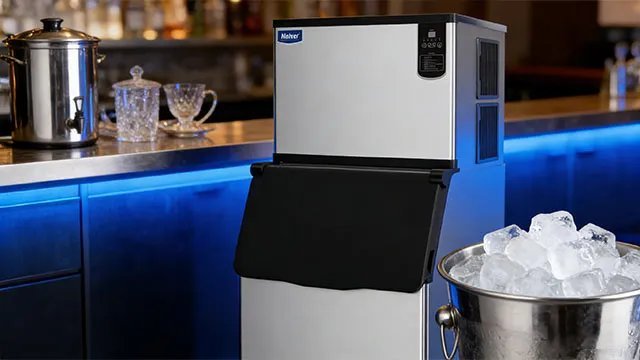
You know the ice is ready when the storage bin reaches its sensor limit and the machine automatically enters standby mode. A high-quality machine produces clear, hard cubes that don’t melt instantly in a glass. If the ice appears cloudy, it’s usually trapped air or mineral deposits; you can fix this by installing a better water filtration system. If you notice a strange taste or odor, the internal water reservoir needs a deep clean using the manufacturer’s recommended descaling solution. When the ice comes out as a solid sheet rather than individual cubes, this indicates a problem with the harvest cycle or the evaporator plate temperature, which requires professional servicing to avoid permanent damage.
Common Installation Errors
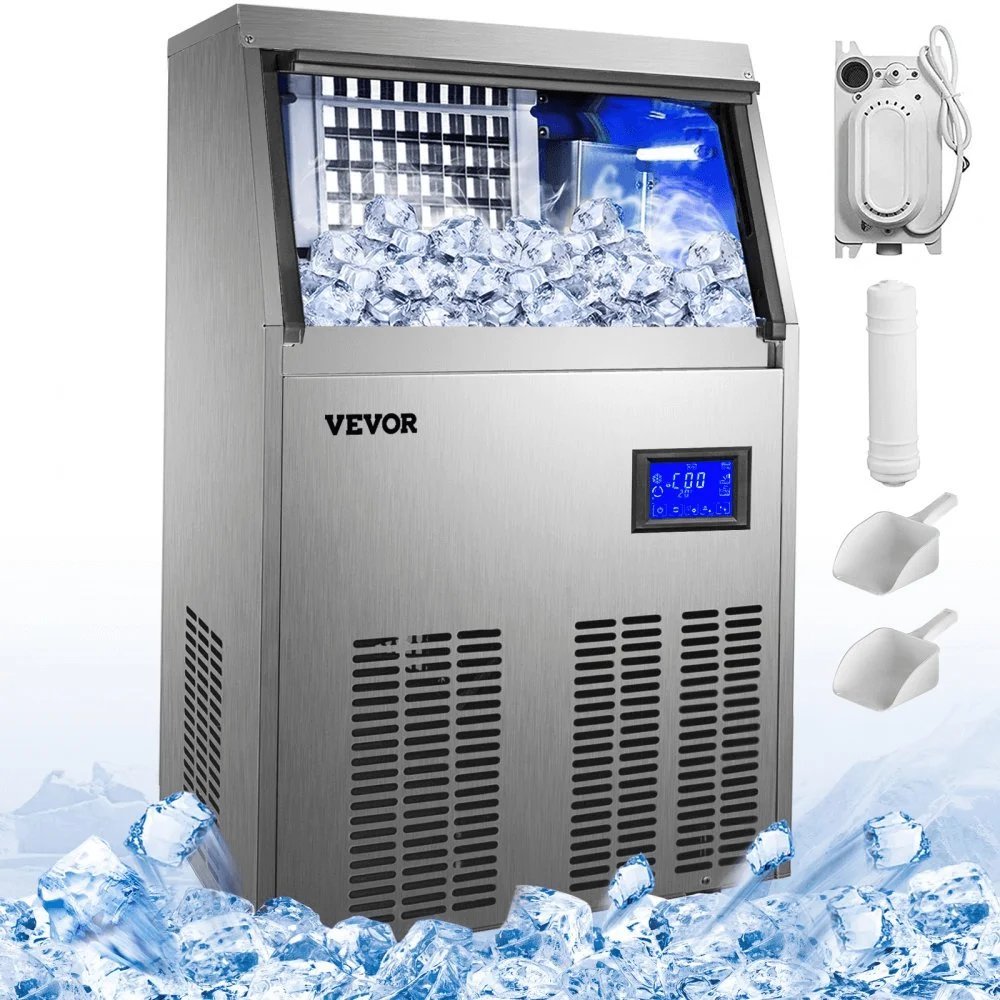
- Ignoring water pressure limits: If your water pressure is too high or too low, the intake valve will fail or the water tray won’t fill correctly. Check your manual for the required PSI range and install a pressure regulator if your home system is outside these limits.
- Poor ventilation setup: Placing a machine inside a tight cabinet without airflow causes the compressor to cycle constantly, which increases your electricity costs. Ensure you have the recommended clearance noted in the user manual to prevent the motor from burning out.
- Skipping the water filter: Using unfiltered water leads to mineral scale on the evaporator plate, which acts as an insulator and makes the machine work much harder. Always use the filter recommended by the maker to maintain efficiency and keep your ice tasting fresh.
Can I install a commercial ice machine myself?
Yes, you can install one if you have basic plumbing and electrical knowledge, but it isn’t recommended if you lack experience with high-voltage appliances. If your model requires a hardwired electrical connection rather than a standard plug, you must hire a licensed electrician to avoid voiding your warranty.
Is it safe to use a used ice machine?
It’s safe only if you can verify that the previous owner maintained the sanitation cycles and replaced the water filters on time. You should always perform a deep chemical cleaning and replace the water lines before you use a second-hand machine for any food or drinks.
How often should I clean the machine?
You should clean the machine every three to six months depending on your local water quality and how often you use it. If you notice any slime or mineral buildup on the internal surfaces, you must clean it immediately to prevent bacteria growth and maintain ice production efficiency.
What happens if I don’t use the machine for a long time?
If you don’t use the machine for more than a week, you should empty the bin and turn the power off to prevent stagnant water. Always run a full cleaning and sanitizing cycle before you turn the machine back on to ensure the ice is safe for consumption.
How much electricity does an ice machine use?
An average home countertop unit uses about 100 to 200 watts while running, but large commercial models can draw over 1,000 watts. You can check the specific energy usage on the sticker located on the back or side of the unit to calculate the exact cost for your area.
Everything you need to know about the price and setup is now in your hands. Always check your specific model’s manual for the exact requirements before you begin the installation process.
Ice machine, in short
Before you head to the store, take a moment to measure your available counter space and check your water line access. It’s a smart move to chat with a local technician about your specific setup. They’ll help you avoid common mistakes so you’re ready to enjoy fresh ice whenever you need it.
Related guides