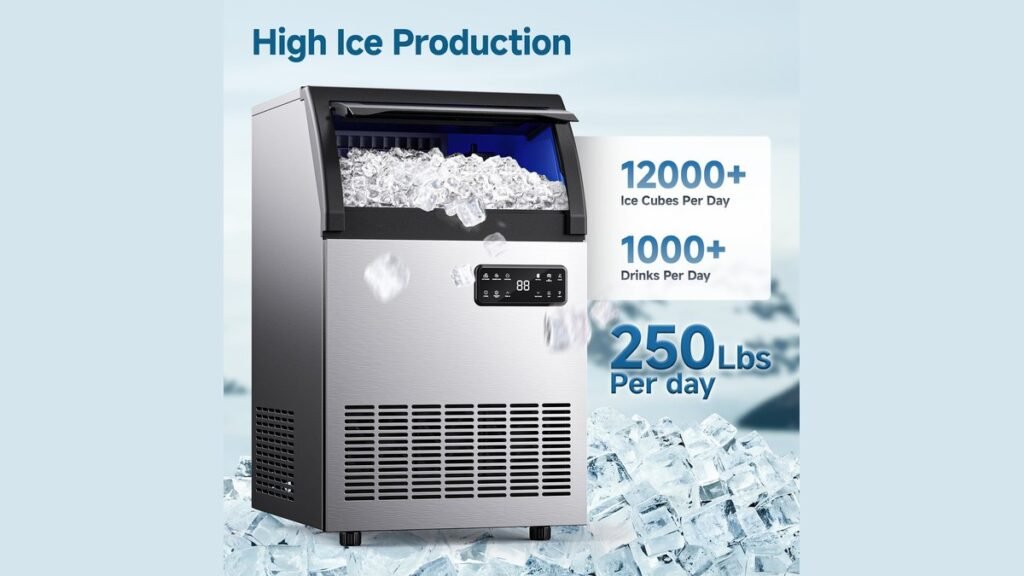
Calculating your daily consumption needs and selecting the right cooling mechanism for your space is the best way to buy an ice machine. Most households require a model producing 15 to 25 pounds of ice per day, which typically costs between $200 and $600.
Essential factors for your purchase
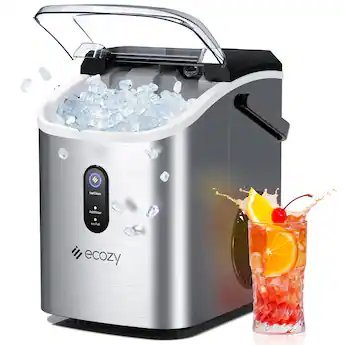
- Production capacity: Measured in pounds per day; choose one that matches your peak hosting needs.
- Drainage requirements: Decide between a gravity drain or a built-in pump if you can’t place the unit near a floor drain.
- Dimensions: Measure the exact height, width, and depth of your intended space to ensure proper airflow.
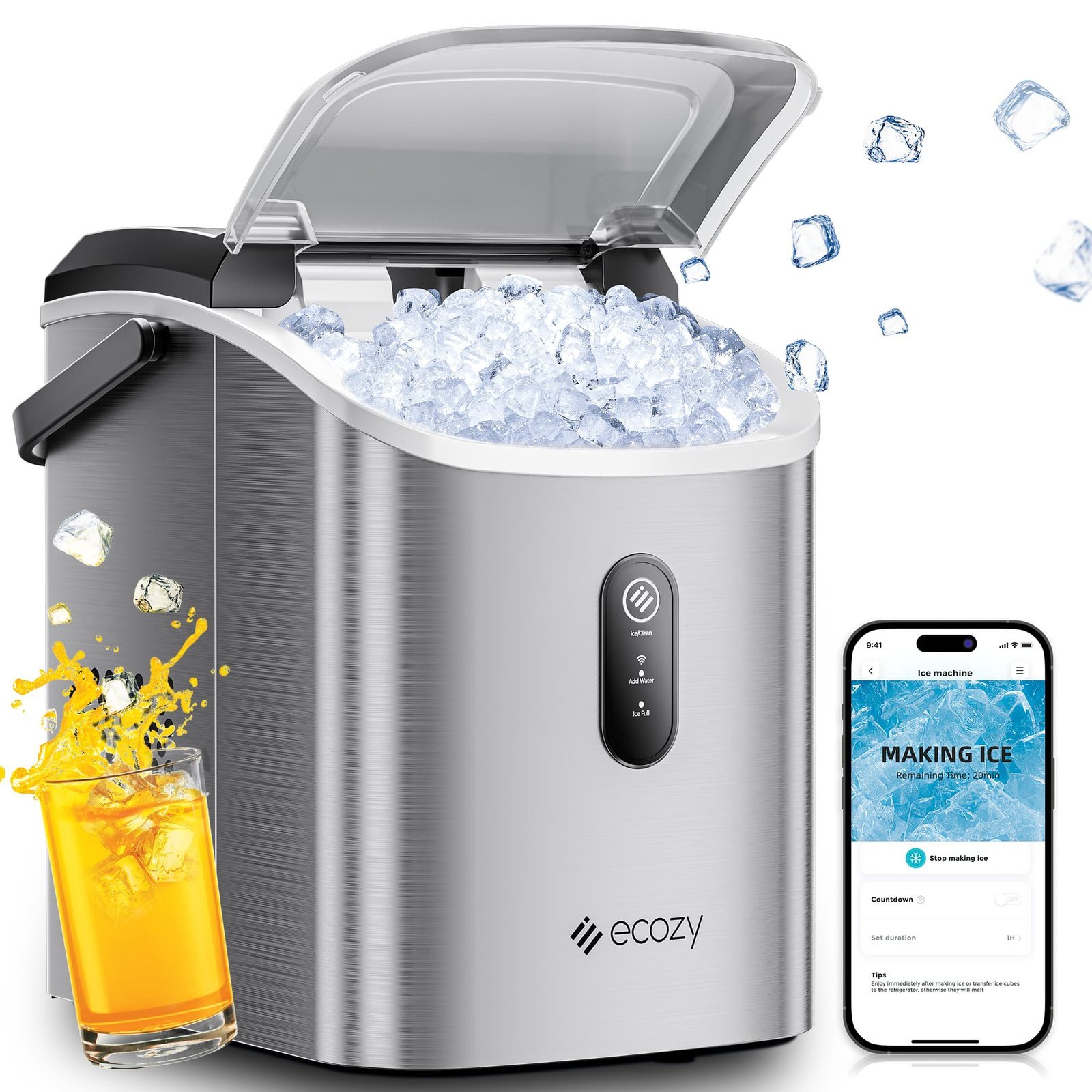
- Ice shape: Choose between bullet, crescent, or gourmet cubes based on your preference for drinks.
- Water filtration: Look for built-in filters to prevent scale buildup; if the unit lacks one, you must install an external system to maintain water quality.
If you have a dedicated water line, choose a plumbed model for convenience; if you do not, opt for a portable countertop unit that requires manual filling.
How to buy a ice machine: Selection and installation
- Measure the installation area: Ensure you have the clearance specified by the manufacturer in your user manual to allow for heat dissipation.
- Verify your water supply: Check that your local water pressure meets the manufacturer’s requirements, usually between 20 and 80 PSI.
- Select the drainage type: If your machine is below the sink level, you must buy a model with a pump to move water upward.
- Confirm electrical needs: Most residential units require a standard 120-volt grounded outlet; check the Energy Star product finder to verify the efficiency of the model you choose.
- Clean the unit: Run a full cycle with a manufacturer-approved nickel-safe cleaner before using the first batch of ice for consumption.
Careful: Never use abrasive scrubbers on the interior bin, as this creates scratches where bacteria can grow.
Tip: If you’re buying a used machine, always check the compressor for signs of rust, as replacement parts often cost more than a new unit.
Comparing machine types
Selecting the right machine depends on how you use your space and your budget for maintenance.
| Machine Type | Typical Cost | Key Difference | Monitor This |
|---|---|---|---|
| Countertop | $150–$300 | Portable, no plumbing | Water reservoir levels |
| Undercounter | $800–$2,000 | High volume, plumbed | Filter change schedule |
| Modular | $2,500+ | Needs separate bin | Internal scale buildup |
Starting with a smaller, portable model is safer than overshooting your needs, as you can always upgrade if your usage patterns change.
Assessing your final result
A successful installation produces clear, odorless ice without any strange mechanical noises. If your ice tastes like plastic or chlorine, it’s usually because the new internal lines need a longer “break-in” period or your water quality is poor. You prevent this by flushing the system according to the manufacturer’s instructions before your first use. A poor result—such as slushy, melting ice—often indicates that the unit isn’t getting enough airflow. If the machine runs constantly but produces no ice, stop the unit immediately and contact a licensed refrigeration technician to avoid voiding your warranty.
Maintenance and operational rules
Follow the NSF International standards for ice machine sanitation to prevent mold and biofilm growth. You should empty and wipe down the storage bin regularly to ensure hygiene. If you’re going away for more than a week, shut off the water supply and unplug the unit to prevent stagnant water issues. Any work involving the sealed refrigeration system requires a certified professional, as opening the cabinet can result in the loss of refrigerant or serious electrical injury.
Alternative buying routes
Retailer floor models
Buying a floor model can save you 20% to 30% off the retail price. These units are often fully tested, but check the bin for any cracks or missing components before paying.
Refurbished commercial units
Refurbished machines offer higher durability than residential ones. These are ideal for heavy users, though they usually lack a full manufacturer warranty and may require specialized electrical outlets to function correctly.
Rental agreements
If you only need ice for a seasonal event, renting a high-capacity machine is more cost-effective than buying. You pay a flat daily or weekly rate, and the rental company handles all maintenance.
Frequently asked questions
How long does a ice machine last?
Most residential units last between five and seven years with regular cleaning and filter changes. If you fail to descale the machine as part of your usual clean, the internal pump often fails much sooner due to mineral buildup in the lines.
Is it safe to use tap water?
Yes, provided your local water supply meets municipal safety standards for drinking. If your water is “hard,” you must use an external water softener or a high-quality filter to protect the internal components from permanent mineral damage.
How often should I clean the machine?
You should perform a deep cleaning whenever you notice it’s needed using a solution recommended by the manufacturer. If you notice any cloudy ice or odd smells, clean the unit immediately to remove potential mold or bacterial buildup.
Why is my ice machine making loud noises?
Loud grinding sounds usually indicate a failing water pump or a loose fan blade. If you hear these noises, turn off the power and check for any debris near the fan, but don’t open the sealed housing.
What happens if I don’t use a filter?
Without a filter, hard water minerals can accumulate on the evaporator plate and water pump, potentially reducing efficiency or causing mechanical issues over time. This results in slow ice production and, eventually, a total mechanical failure that isn’t covered by most standard warranties.
Can I install it in a cabinet?
Yes, but you must ensure the cabinet has ventilation louvers. If the machine can’t exhaust heat, the compressor will overheat and fail, which is the most common reason for premature unit failure in home kitchens.
Do I need a professional for installation?
You only need a professional if your home lacks the required water hookup or a dedicated electrical circuit. If the plumbing and power are already in place, most homeowners can install the unit following the manual.
Ice machine, in short
Once you’ve measured your available counter space and checked your kitchen’s water access, you’re ready to start shopping. Don’t rush the process; reading a few recent customer reviews will help you avoid common headaches. You’ll be enjoying perfectly chilled drinks in no time, so pick a reliable model and get started.
Related guides