Getting an ice maker to produce ice reliably typically involves checking the water supply, ensuring the freezer temperature is set correctly, and verifying that the internal components aren’t jammed or frozen. Most modern refrigerator ice makers fail due to simple mechanical blockages or disconnected lines rather than major electrical failures. By systematically troubleshooting the water flow, temperature settings, and physical alignment, you can often restore functionality without needing a professional technician.
Key Takeaways
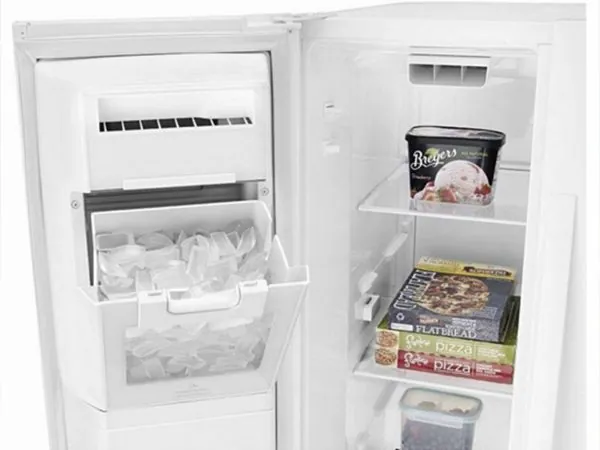
- Confirm the freezer temperature is between 0°F and 5°F.
- Ensure the water line isn’t kinked behind the unit.
- Check that the wire shut-off arm is in the down position.
- Inspect the water filter for clogs or expiration.
- Reset the system by power-cycling the refrigerator.
How to get ice maker to make ice
To restore production, start with the basics. Ensure your freezer is cold enough; if it’s warmer than 10°F, the unit may not trigger the freezing cycle. Verify that the wire shut-off arm is in the “down” or “on” position. If your unit uses a digital switch, ensure it’s toggled to “on” on the control panel. Check the water inlet valve at the rear of the fridge to ensure it hasn’t been bumped or disconnected.
Is your water filter clogged?
A common point of failure is an expired water filter. Over time, sediment buildup restricts the flow of water to the ice mold. If the filter hasn’t been replaced in the last six months, it may be causing a restricted water flow. Consult your refrigerator manufacturer’s official support page to identify the correct replacement part for your specific model.
| Filter Status | Impact on Ice | Action Required |
|---|---|---|
| Under 6 months | Normal | None |
| Over 6 months | Slowed production | Replace filter |
| Clogged | No ice produced | Replace immediately |
Check the water supply line
If the filter is fine, inspect the tubing. The plastic line running to the back of the fridge can develop kinks if the appliance was recently moved. Furthermore, ensure the saddle valve—the small valve connecting the fridge to your home’s main water pipe—is fully open and not leaking. If you have recently turned off the water for maintenance, ensure you have bled the air out of the line.
Why is the ice bin empty?
An empty bin usually points to a mechanical obstruction. Sometimes, a single oversized cube can jam the ice ejector blades, causing the entire mechanism to stop to prevent motor damage. Use a plastic utensil to gently break up any large clumps of ice. Ensure the ice level sensor isn’t blocked by a rogue cube, as this sensor tells the unit when the bin is full and prevents it from overproducing.
How to reset the unit
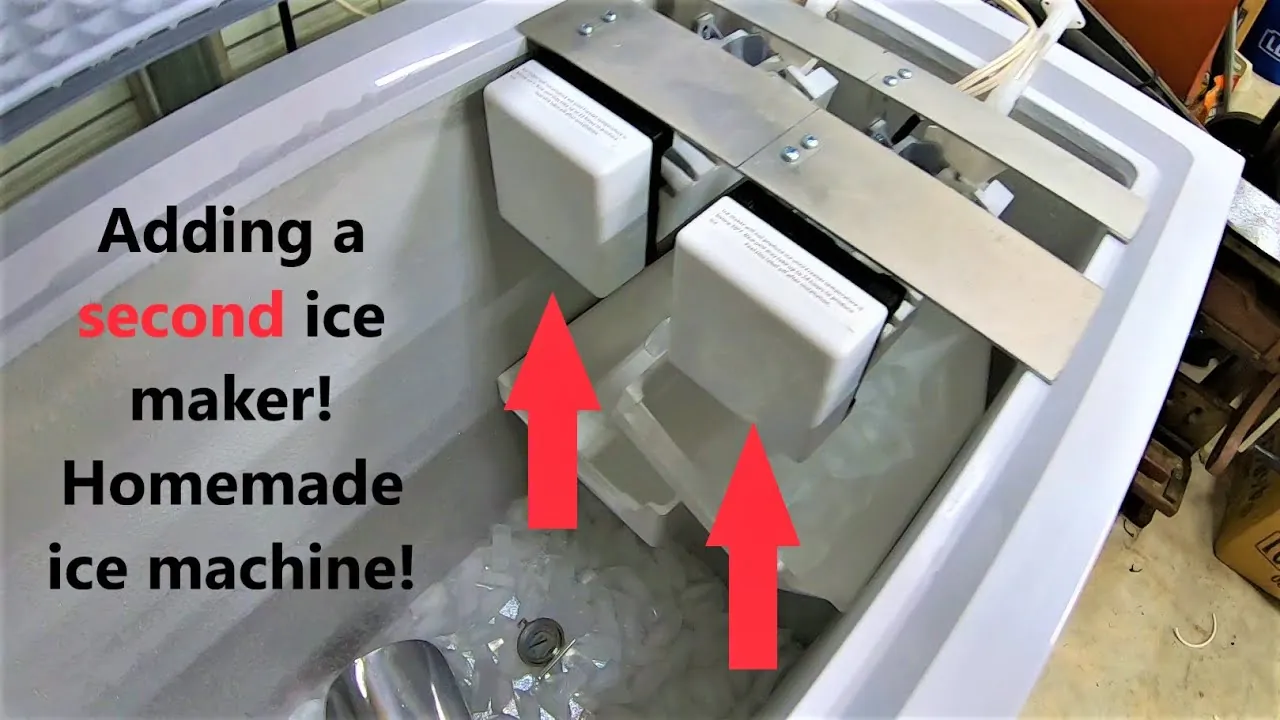
Sometimes, the internal computer simply needs a reboot. To perform a hard reset, unplug the refrigerator from the power source for five minutes. While waiting, check the wiring harness for any loose connections at the back of the ice maker assembly. After reconnecting the power, the unit may take up to 24 hours to reach the necessary temperature to begin forming new batches of ice.
Troubleshooting common ice maker issues
| Problem | Likely Cause | Solution |
|---|---|---|
| No ice produced | Power or water supply | Check cord and valve |
| Small, hollow cubes | Low water pressure | Inspect water line |
| Ice clumped together | Freezer temperature too high | Lower thermostat settings |
| Water leaking | Cracked intake tube | Replace supply line |
Does freezer temperature affect production?
Your freezer must be kept at a specific temperature range to facilitate the phase change from water to ice. If the temperature is too high, the thermostat sensor won’t signal the mold to eject the cubes. Always use a standalone thermometer to verify that your freezer is holding a steady temperature between 0°F and 5°F for optimal ice production.
Warning: handling ice maker parts
Warning: Always disconnect the power before attempting to remove the ice maker assembly or touching any electrical components. Touching the heating element or the motor housing while the unit is plugged in poses a significant risk of electrical shock or accidental activation of the ejector blades.
When to call a professional
If you have verified the water pressure, replaced the filter, and confirmed the temperature settings, but the unit still fails to produce ice, you may be dealing with a failed inlet valve solenoid or a faulty control board. These components require specialized diagnostic tools. If the unit is under warranty, contact the manufacturer before attempting any repairs that involve opening the sealed control housing.
Pro Tip: maintaining the ice chute
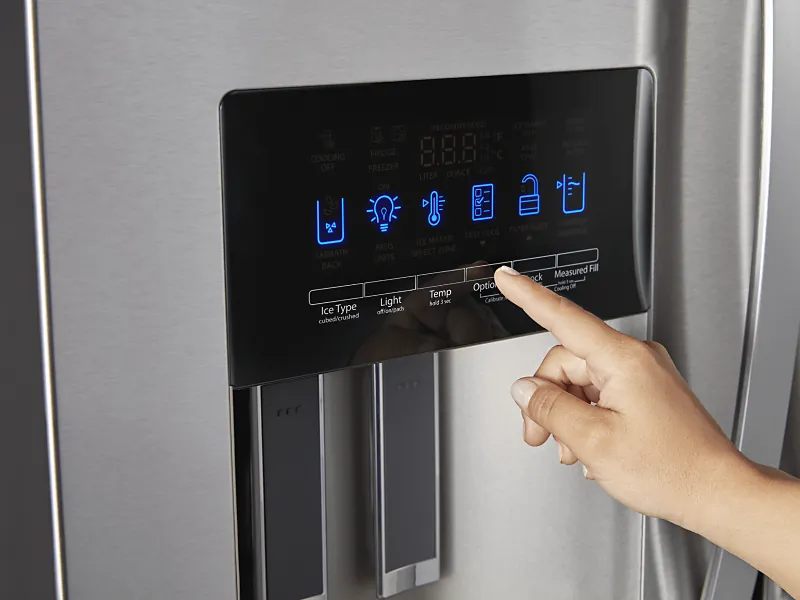
Pro Tip: Regularly clean the ice dispenser chute with a damp cloth to prevent frost buildup. Frost in the chute can melt and refreeze, creating a plug that prevents ice from falling into your glass even when the bin is full.
Frequently Asked Questions
Why does my ice taste strange?
Strange-tasting ice is almost always caused by an old, expired water filter or odors from food stored in the freezer. Replace your water filter every six months to ensure proper filtration. Additionally, ensure all food items in the freezer are stored in airtight containers to prevent the ice from absorbing refrigerator odors.
How long does ice production take?
After a power reset or a deep cleaning, a typical residential ice maker takes between 12 and 24 hours to begin producing a full bin. The unit must reach its target operating temperature before the thermostat allows the water inlet valve to open. Don’t expect immediate results after making adjustments.
Can low water pressure stop ice?
Yes, low water pressure is a leading cause of small, hollow, or misshapen ice cubes. If the pressure is too low, the water inlet valve may not stay open long enough to fill the mold completely. This often results in the system skipping the harvest cycle entirely because it detects an incomplete fill.
Is the ice maker worth repairing?
If the repair involves replacing a water filter, clearing a jam, or resetting the power, it’s highly worth the effort. However, if the motor or the control board has failed, compare the cost of the replacement parts against the price of a new unit. If the fridge is over ten years old, a replacement is often more cost-effective.
Should I turn off the ice maker?
You should turn off the ice maker if you’re going on a long vacation or if the water supply to the house has been shut off. Leaving the unit on while the water is disconnected can damage the inlet valve solenoid. Always remember to turn it back on once you return or restore the water supply.
Conclusion
Regular maintenance is the best way to keep your ice maker running smoothly throughout the year. By keeping the freezer organized, monitoring your filter replacement schedule, and ensuring the water line remains kinked-free, you can avoid most common performance issues. If you still encounter problems, consult your owner’s manual for model-specific reset procedures or contact the manufacturer’s support team for further assistance.