Investing in commercial ice machines involves purchasing specialized refrigeration equipment ranging from $1,500 to $12,000 per unit depending on daily output capacity and cooling technology. Whether you operate a restaurant, a hotel, or a convenience store, your return on investment depends on balancing daily production needs against energy efficiency and long-term maintenance costs. Success requires selecting the right machine type for your specific volume of business while strictly adhering to sanitation standards to ensure the product remains safe for human consumption.
Key Takeaways
- Assess your daily ice needs in pounds to avoid buying oversized, inefficient equipment.
- Select between air-cooled and water-cooled units based on your facility’s ventilation and plumbing.
- Budget for professional installation and recurring water filtration system replacements.
- Prioritize machines certified by the NSF International food equipment standards for health compliance.
- Establish a strict cleaning schedule to prevent mineral buildup and bacterial growth.
Understanding Your Ice Production Needs
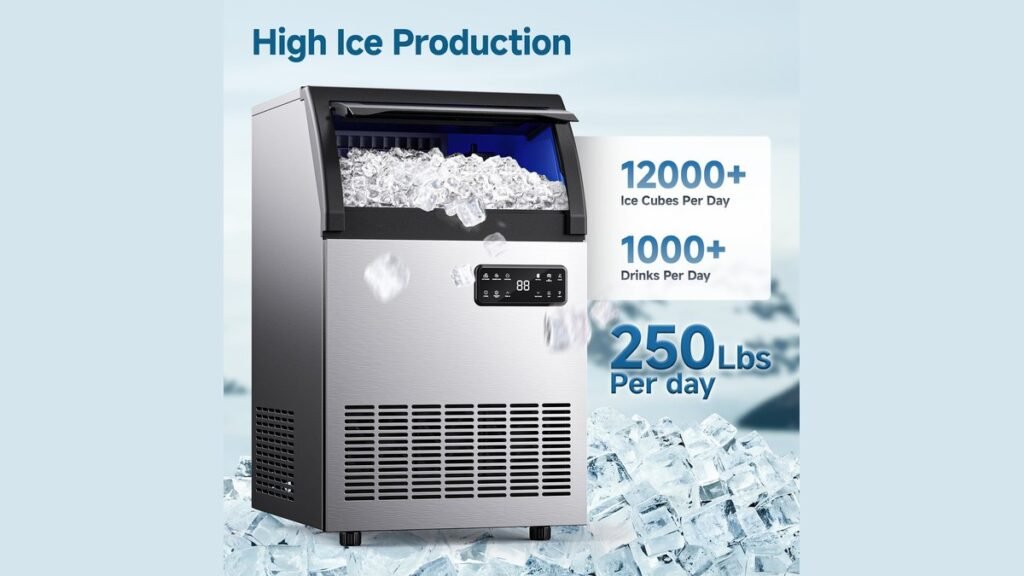
Before browsing models, calculate your daily consumption. A small cafe might need 150 pounds of ice, while a busy restaurant or bar often requires 500 to 1,000 pounds. Choosing a unit that produces exactly what you need prevents waste while ensuring you don’t run out during peak hours.
| Business Type | Typical Daily Output (lbs) | Cooling Method |
|---|---|---|
| Coffee Shop | 150 – 300 | Air-Cooled |
| Full-Service Bar | 400 – 600 | Air-Cooled |
| Large Hotel | 1,000 – 2,000 | Water-Cooled |
| Convenience Store | 300 – 500 | Air-Cooled |
How to Invest in Ice Machines
To invest properly, you must evaluate the total cost of ownership rather than just the initial price tag. High-quality machines from brands like Manitowoc, Hoshizaki, or Scotsman offer better longevity and parts availability. Your investment strategy should include the machine, a dedicated storage bin or dispenser, and a high-capacity water filtration system to protect the internal evaporator.
Comparing Cooling Technologies
Air-cooled machines are the industry standard because they’re cheaper to operate and easier to install. However, they require significant clearance for airflow. Water-cooled units are quieter and more efficient in hot environments but increase your water utility bills significantly.
- Air-Cooled: Best for well-ventilated rooms; lower utility costs.
- Water-Cooled: Best for tight spaces or hot kitchens; higher water usage.
- Remote Condenser: Best for large output units where heat dissipation is critical.
Maintenance and Operational Costs
Preventative maintenance is the most critical factor in protecting your capital. Without regular cleaning, scale and slime buildup reduce ice quality and force the compressor to work harder, shortening the lifespan of your unit.
Warning: Always use food-grade nickel-safe cleaners to prevent damaging the evaporator plate during your routine descaling procedures.
| Maintenance Task | Frequency | Estimated Annual Cost |
|---|---|---|
| Filter Replacement | Every 6 months | $150 – $400 |
| Deep Clean/Sanitize | Every 3-6 months | $200 – $600 |
| Professional Inspection | Annually | $250 – $500 |
Selecting the Right Ice Shape
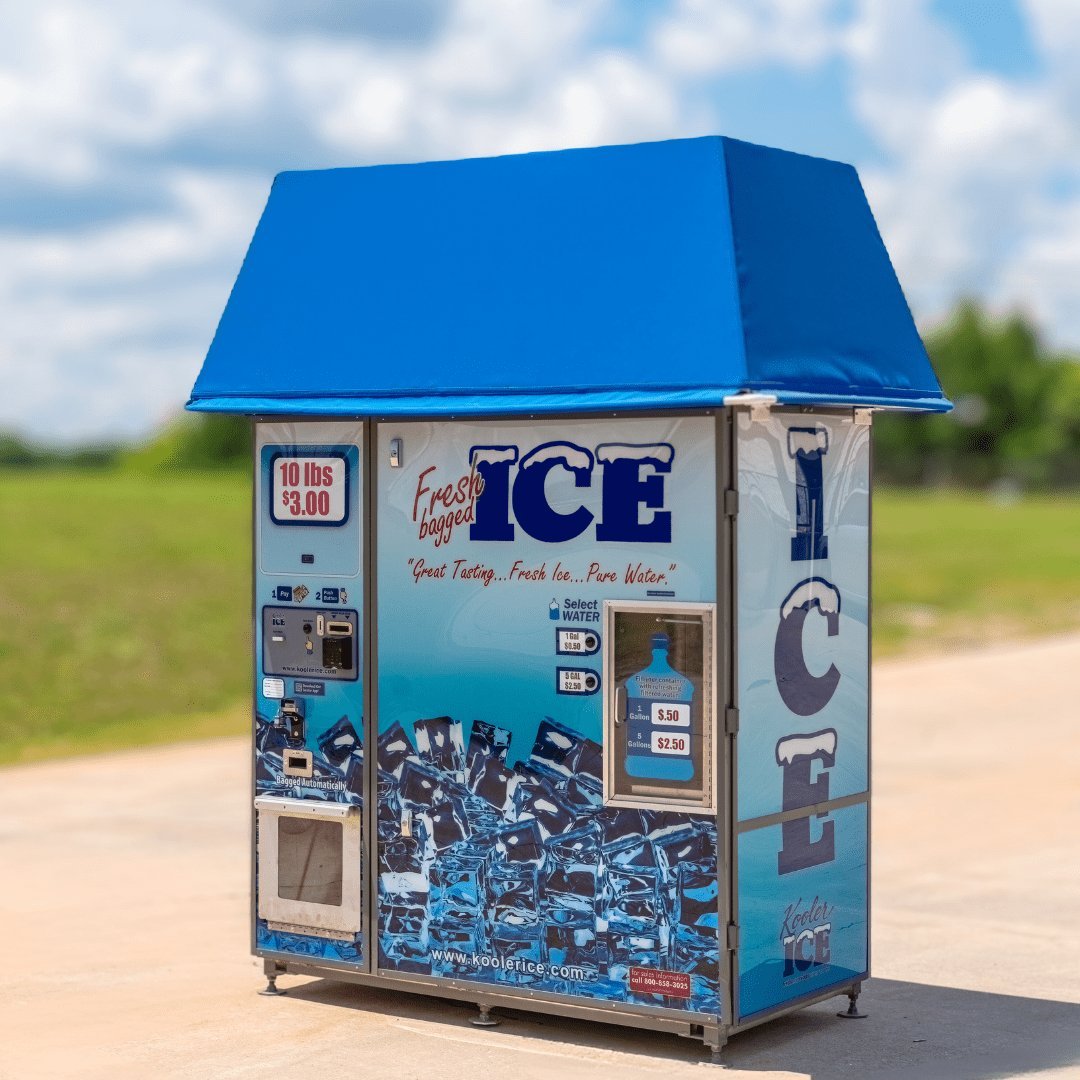
The shape of your ice impacts your profit margins and drink presentation. Cube ice is the most versatile for bars, while nugget ice—often called “chewable” ice—is highly popular in healthcare and quick-service restaurants. Flake ice is primarily used for displays, such as fish markets or salad bars, due to its rapid cooling properties.
Installation Requirements
Proper installation is non-negotiable for warranty coverage. Ensure your site has a dedicated floor drain, a functional water supply line, and proper electrical circuit capacity. If your facility lacks the required ventilation space, your machine will overheat, leading to premature component failure.
Pro Tip: Place your machine away from heat-generating equipment like ovens or fryers to maximize efficiency and ice production rates.
Managing Water Quality
Water quality directly influences the taste of your ice and the longevity of your machine. Hard water leads to rapid mineral scaling, which ruins ice makers within months. Always install a quality filtration system that specifically addresses sediment, chlorine, and scale inhibition. Check your local water report to determine if you need a specialized reverse osmosis system.
Evaluating Energy Efficiency
Modern machines are rated by their energy consumption per 100 pounds of ice. Look for units that minimize electricity usage, as these will pay for themselves through lower utility bills over a five-year period. Energy-efficient models often feature improved insulation in the storage bins, which keeps the ice frozen longer and reduces the number of cycles the machine must run each day.
Troubleshooting Common Issues
If your ice machine stops producing, start with the basics before calling a technician. Check the power supply, ensure the water valve is fully open, and verify that the bin sensor isn’t blocked by a clump of ice. Most production issues stem from clogged filters or poor airflow rather than mechanical failure.
- Slow Production: Check for restricted airflow or dirty condenser coils.
- Cloudy Ice: Usually caused by high mineral content; upgrade your filtration.
- Low Bin Level: Ensure the bin door is sealing properly to prevent melting.
- Noisy Operation: Inspect the fan motor for debris or mechanical wear.
Related guides
- How Much Is an Ice Machine Business: Total Startup Costs
- How Much Does an Ice Machine Business Cost to Start Today
- Where Can I Buy Ice Maker Machines: Retailer Guide
Frequently Asked Questions
How long does an ice machine last?
With proper maintenance and regular filter changes, a commercial ice machine typically lasts between 7 and 12 years. Units in high-temperature environments or those running on hard water without proper filtration may fail significantly sooner.
Should I buy new or used?
Buying new is generally recommended for commercial use because it includes a factory warranty and the latest efficiency standards. Used machines often have hidden scale damage or failing compressors that can cost more to repair than the savings you achieved on the purchase price.
Do I need a water filter?
Yes, a water filter is essential for almost every installation. It protects the delicate internal components from scale buildup, which is the leading cause of premature equipment failure. Furthermore, it ensures your ice is clear, odorless, and free of unpleasant tastes that could negatively impact your customer experience.
What is the best ice shape?
The best shape depends on your application. Standard cubes are ideal for cocktails and general beverages because they melt slowly. Nugget ice is preferred for soft drinks and healthcare settings because it’s easy to chew. Flake ice is strictly for cooling food products and isn’t suitable for drinks.
How often should I clean it?
You should perform a deep cleaning and sanitization at least every six months. In high-volume environments or areas with poor water quality, you should increase this frequency to every three months to prevent the growth of mold and bacteria within the ice path.
Investing in an ice machine requires a focus on long-term utility rather than just the upfront price tag. Start by conducting a water quality test at your facility to determine which filtration system you need, then contact a reputable local dealer to discuss specific models that fit your floor plan and production volume requirements.