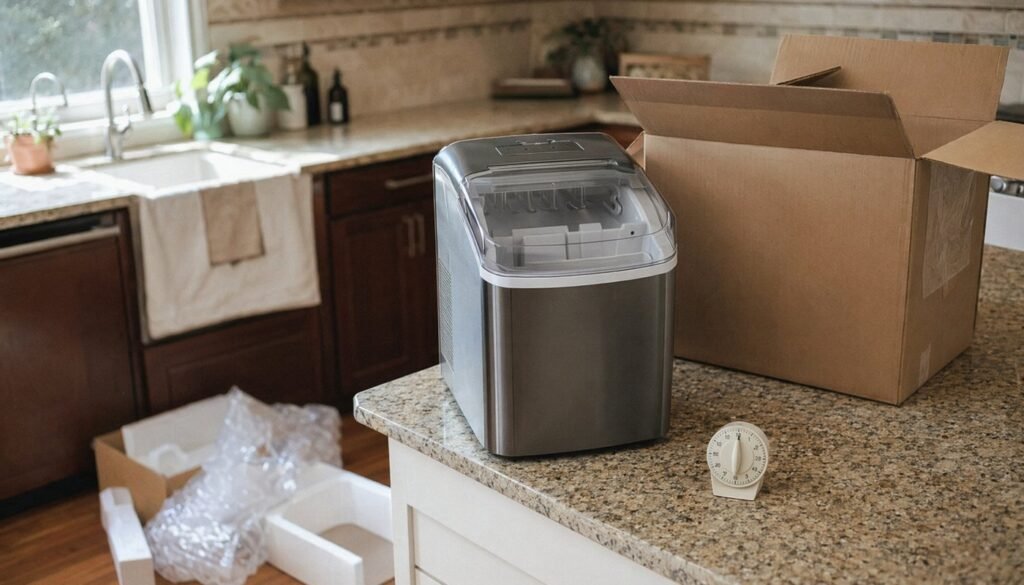
To ensure your unit performs correctly, you follow the manufacturer’s specific manual to install and how to operate ice maker machine models by connecting a potable water supply and verifying the power source. This guide covers daily maintenance, troubleshooting, and safety protocols for consistent ice production.
Getting to know your ice maker machine
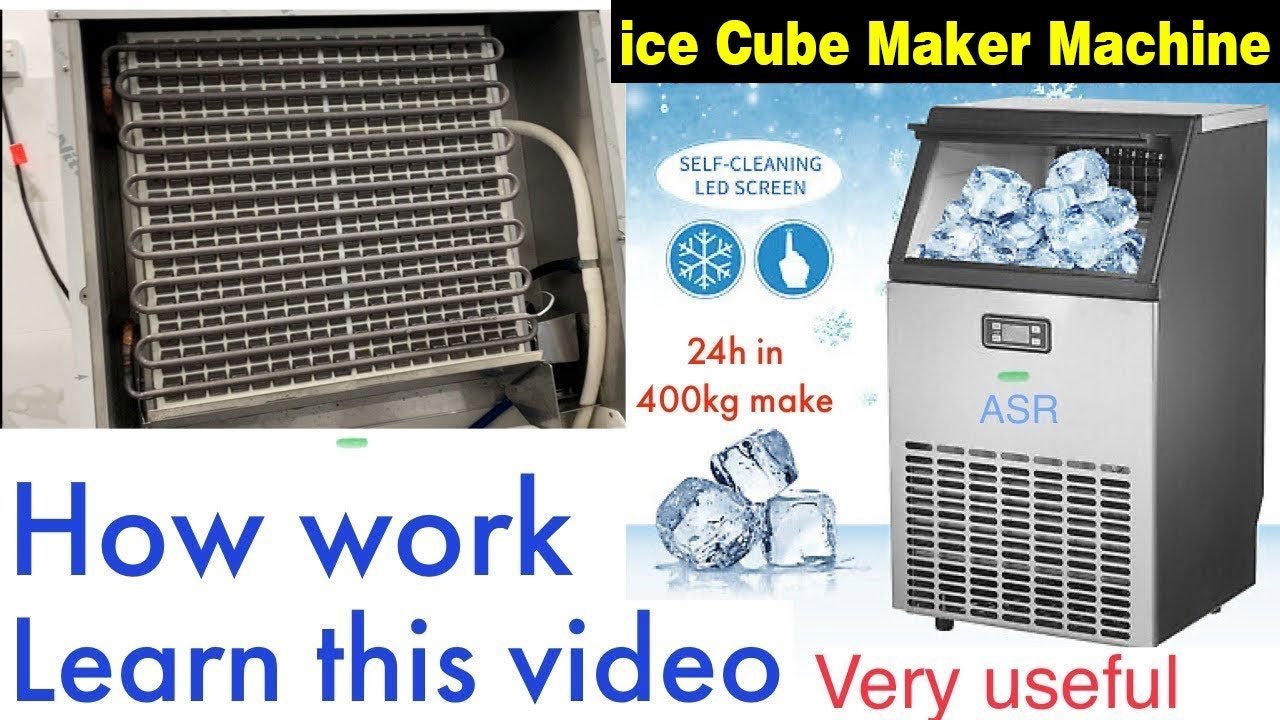
An ice maker is a dedicated appliance designed to freeze water into specific shapes for cooling drinks or food storage. These units are meant for indoor use in temperature-controlled spaces, typically between 50°F and 90°F. A common mistake is placing the unit in a non-ventilated cabinet, which causes the compressor to overheat and increases energy consumption significantly. If you have a standalone unit, it requires at least six inches of clearance on all sides for proper airflow. Remember that this varies by model — check the label on the back or inside the door for your machine’s specific operating temperature range.
How to operate ice maker machine: The basic method
- Ensure the unit is on a level surface to prevent water leakage and uneven ice formation.
- Connect the machine to a dedicated GFCI outlet and a potable water line according to NSF International food safety standards.
- If using a manual-fill model, pour exactly the amount of water specified in your manual into the reservoir, usually up to the “Max” fill line.
- Press the “Power” or “On” button; the machine will begin the cooling cycle, which takes 7 to 15 minutes per batch depending on ambient heat.
- If the “Ice Full” light turns on, remove the ice immediately to allow the sensor to restart the cycle.
- If the “Add Water” light flashes, pause the machine, refill the reservoir to the fill line, and press “Start” again.
The most important judgement call is monitoring the first three cycles; if the ice cubes are thin or cloudy, check the water quality or adjust the thickness setting. Technicians must handle all electrical or refrigerant repairs, as a capacitor can hold a lethal charge unplugged.
Key numbers and settings at a glance
The performance of your machine depends on the environment and the settings you choose.
What separates good results from bad ones
Proper Preparation
Experienced users always run a cleaning cycle with a mild vinegar solution before using the machine for the first time. This removes manufacturing dust and prevents strange tastes in your ice. Always use filtered water if your local supply is “hard,” as mineral deposits will clog the internal spray bars and shorten the life of the pump.
Monitoring the Process
Check the ice bin every few hours during heavy use. If you let the bin overfill, the sensor may trip prematurely, stopping production. This is a trade-off: you sacrifice convenience for freshness, but it prevents the machine from working harder to break up large ice clumps.
Common problems and quick fixes
| What you notice | What it usually means | What to do first |
|---|---|---|
| No ice produced | Power issue | Check the breaker |
| Thin, soft cubes | High ambient heat | Move to a cooler spot |
| Loud grinding noise | Obstruction | Clear the ice chute |
| Water leaking | Uneven surface | Level the machine legs |
Operational Safety Rules
Follow the guidelines set by the Consumer Product Safety Commission regarding electrical safety and appliance grounding. Never bypass the grounding pin on your power cord, as this increases the risk of electric shock in a wet environment. If you notice a damaged cord, stop using the unit immediately and contact the manufacturer for a replacement. All internal maintenance involving the compressor, refrigerant lines, or electrical wiring is strictly for trained technicians. Attempting these repairs yourself risks voiding your warranty and creates a significant safety hazard for anyone near the machine.
Maintaining Your Machine
After each deep cleaning, wipe the interior bin with a clean, dry cloth to prevent moisture buildup. If the machine will be idle for more than a week, drain the water reservoir completely and leave the lid open to prevent mold growth. If you notice a musty smell, run one final cycle with a mixture of one part vinegar to ten parts water, then flush it twice with fresh water before returning to normal use.
When to use a different approach
If you need high-volume ice for a commercial event, a portable countertop machine is the wrong choice; it will overheat quickly. Instead, rent a high-capacity commercial ice maker designed for continuous duty. If you only need ice for an occasional drink, a standard freezer tray is more energy-efficient and requires no maintenance.
Frequently asked questions
Can I use tap water in my ice maker?
Yes, you can use tap water, but filtered water is recommended to prevent mineral scale buildup inside the machine’s internal parts, which significantly extends the lifespan of the pump.
Why is my ice maker making loud noises?
The noise usually comes from the water pump or the ice harvest cycle, but if the sound is grinding, check the bin for stuck ice cubes blocking the mechanism.
How long does it take to make a batch?
It typically takes between 7 and 15 minutes per batch, depending on the room temperature; the machine works slower in warmer rooms because the compressor must run longer.
Is it safe to leave the machine on 24/7?
Yes, it’s safe to leave the machine on, provided it’s connected to a properly grounded outlet and has enough ventilation to keep the compressor from overheating.
What happens if the ice bin gets too full?
The machine’s infrared sensor will detect the ice level and automatically stop production to prevent the ice from jamming the internal components or overflowing the bin.
Final Thoughts
Keep your machine clean and sanitized regularly to ensure every cube stays fresh and tastes great. If you notice any unusual noises or a drop in output, don’t hesitate to check the filter or call a technician. You’ll enjoy reliable, chilled drinks all year long by staying ahead of these simple tasks.
Related guides