
Learning how to operate ice maker machine units requires connecting a dedicated water line, ensuring proper ventilation, and setting the bin to the correct temperature. This guide covers the installation, daily maintenance, and troubleshooting steps needed to keep your equipment producing fresh, clean ice for your home or business.
How to operate ice maker machine
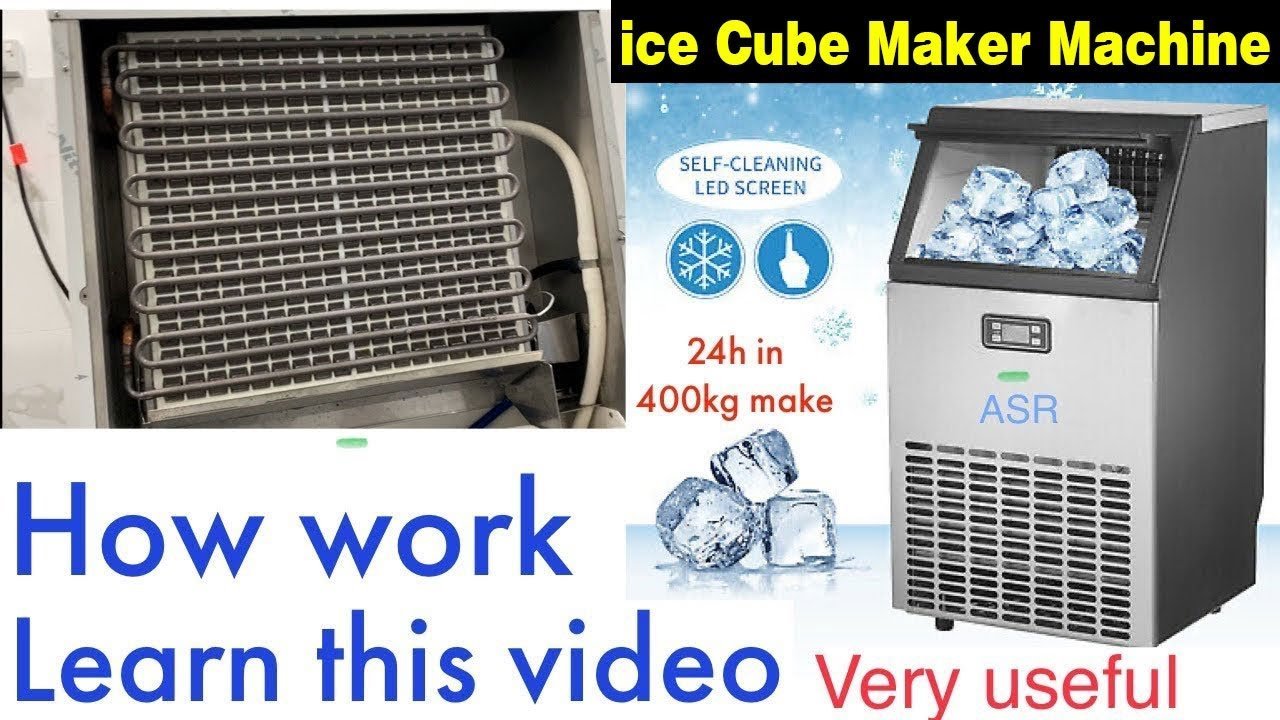
An ice maker is a specialized cooling system that freezes water into distinct shapes using a recirculating pump and a refrigerated evaporator plate. It’s designed for steady, high-volume production rather than rapid, one-time freezing. These machines are for anyone needing a constant supply of ice for cooling beverages. A common mistake is assuming the machine will work in any ambient temperature; in reality, most units struggle if the surrounding air exceeds 90°F. Always check your specific owner’s manual for the exact environmental limits of your model, as this varies by model — check the label to ensure your location is suitable.
The basic method
- Connect the water supply line to the inlet valve using a food-grade hose, ensuring the connection is tight to prevent leaks.
- Plug the machine into a dedicated grounded electrical outlet, as sharing a circuit with other appliances can trip your breaker.
- Turn the power switch to the “On” position and wait for the cycle to initiate; this usually takes 5 to 10 minutes.
- Allow the unit to run for 24 hours to reach full production capacity, discarding the first two batches of ice to clear the system.
- Check that the bin sensor is clear of debris so the machine knows when to stop producing ice.
If the machine requires a permanent plumbing installation, hire a licensed plumber to ensure compliance with local building codes. If you aren’t familiar with electrical safety, don’t attempt to wire the unit yourself. A decision rule applies here: if the ice is cloudy, check your water filter; if the ice is melting too fast, check the bin insulation.
Key numbers and settings at a glance
Production times and storage requirements depend on your machine’s capacity and the ambient temperature of your room.
| Situation | What to use | How long | What to watch for |
|---|---|---|---|
| First start-up | Fresh water supply | 24 hours | Initial cloudiness |
| Normal cooling | Standard filter | Continuous | Bin sensor level |
What separates good results from bad ones
Proper placement and airflow
The most important factor is ventilation. Every machine needs a gap of at least 3 to 6 inches on all sides to exhaust heat. If you place the unit in a tight, enclosed cabinet, the compressor will overheat and fail prematurely. Experienced users always check that the condenser coils are free of dust, as a clean coil allows the refrigerant to circulate efficiently.
Sanitation and water quality
Ice is food, so treat your machine with the same cleanliness standards you apply to your kitchen. According to the FDA food safety guidelines, you must maintain clean surfaces to prevent bacterial growth. Never use harsh chemical cleaners on the internal bin, as these can leave residues that taint the taste of your ice. If you notice a strange odor, perform a full descaling cycle immediately.
Common problems and quick fixes
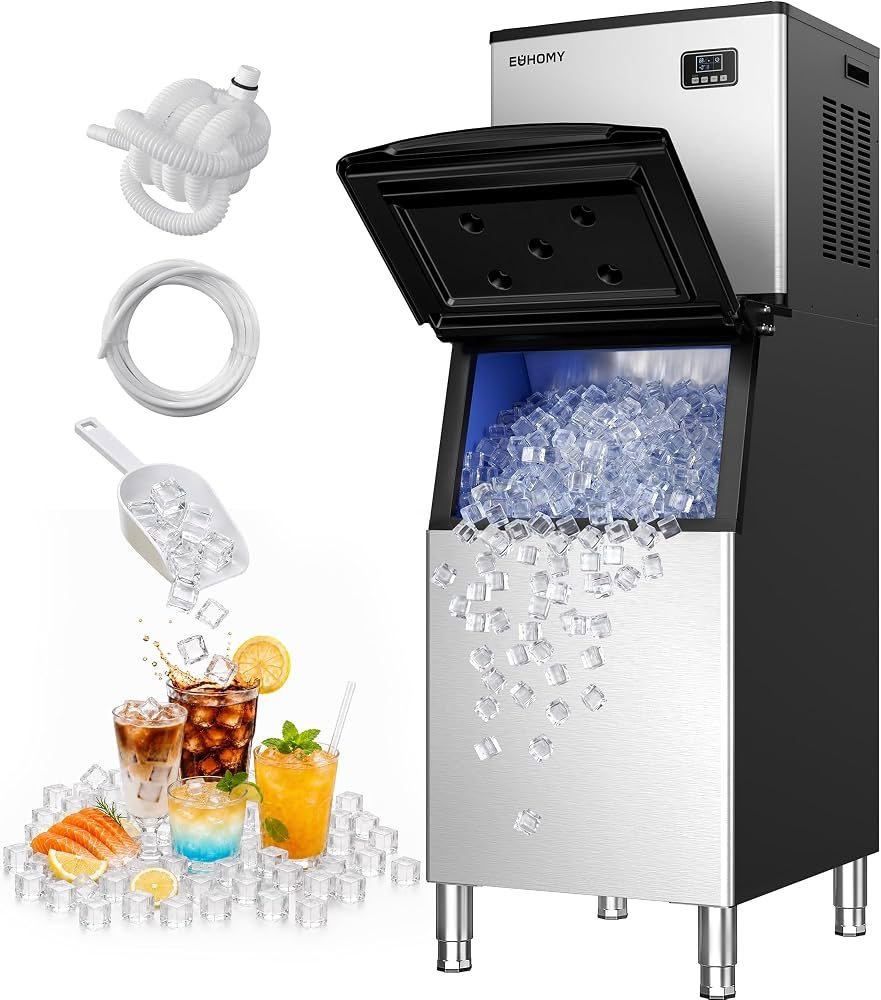
| What you notice | What it usually means | What to do first |
|---|---|---|
| No ice production | Power or water supply | Check the breaker |
| Ice is sticking | Bin is too warm | Check bin sensor |
| Slow production | Dirty condenser | Clean the coils |
| Strange taste | Old water filter | Replace the filter |
Adherence to safety standards
Follow the maintenance schedule provided by your manufacturer to ensure the machine remains in good working order. If you notice frayed wires or the machine produces a burning smell, disconnect it from the power source immediately and contact a qualified technician. Never attempt to service internal components like the compressor or control board yourself, as these contain high-voltage parts that are hazardous to untrained users. Professional service is required for any electrical or refrigerant system failure to maintain your warranty and safety.
Maintaining your equipment
Clean the internal bin with a mild detergent and warm water according to the manufacturer’s recommended schedule. If you’re leaving the machine unused for more than a week, turn off the water supply and unplug the unit. Drain the internal reservoir completely to prevent mold growth during downtime. When bringing the machine back into service, run a full cleaning cycle with a manufacturer-approved descaler to remove any mineral deposits that accumulated while the system was idle.
When to use a different approach
If you only need ice occasionally, a manual tray system is more energy-efficient and requires zero installation. If you need massive quantities for a high-traffic event, consider buying bagged ice from a supplier instead of stressing a residential unit beyond its duty cycle. Always match your equipment to your actual daily consumption needs to avoid unnecessary wear on the compressor.
Frequently asked questions
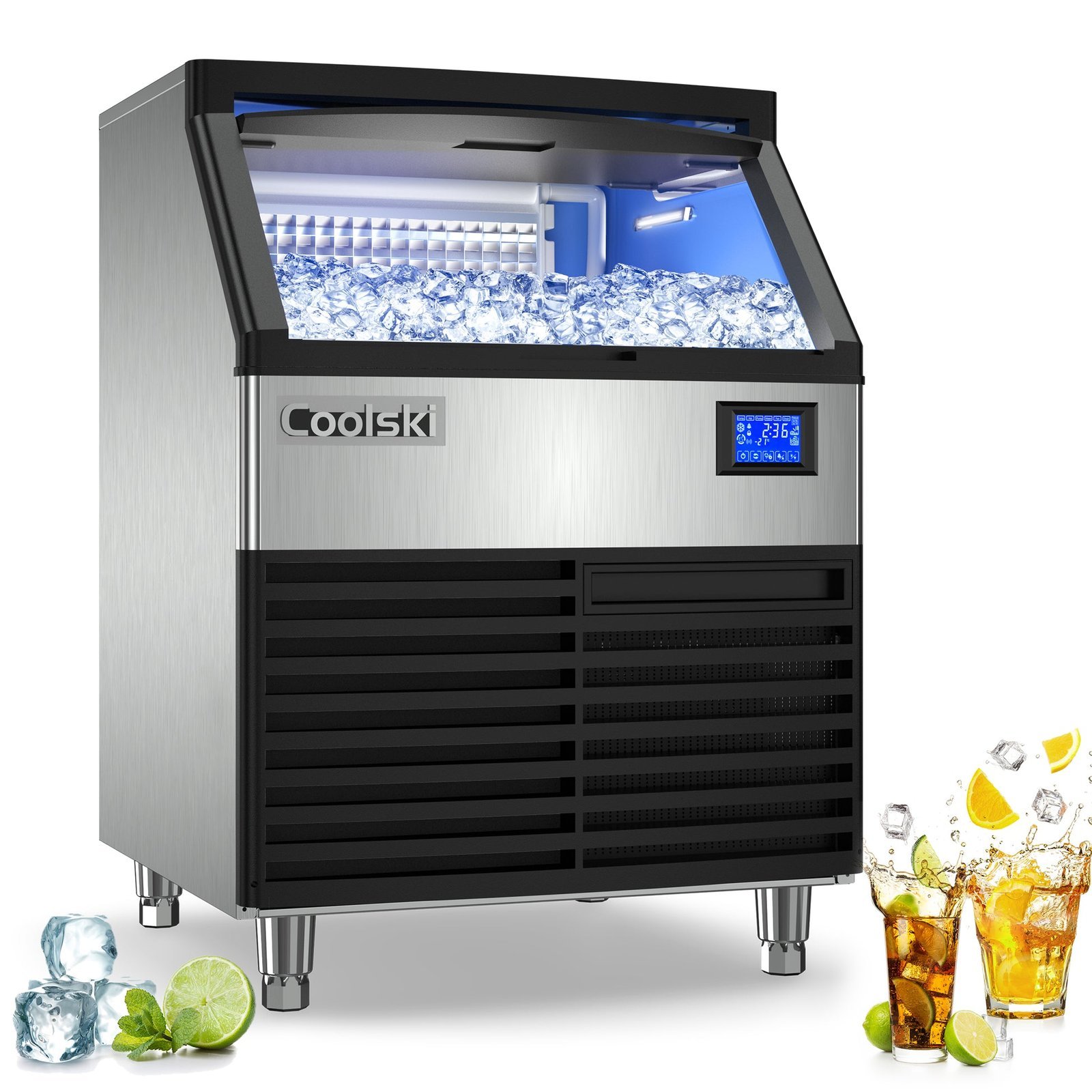
Can I use a regular extension cord for my ice maker?
No, you should always plug the machine directly into a grounded wall outlet to prevent overheating and electrical fire risks caused by the high current draw of the compressor.
Why is my ice maker making loud noises?
The machine likely needs to be leveled, or the internal pump is struggling with mineral buildup; verify the unit is on a flat surface and inspect the water intake.
How long does it take to make a batch of ice?
Most residential machines produce a batch every 15 to 30 minutes, though this varies significantly depending on the water temperature and the room’s ambient heat levels.
Is it safe to drink the first batch of ice?
No, you must discard the first one or two batches of ice produced after installation or cleaning to ensure any manufacturing dust or cleaning solution is fully flushed.
What happens if the power goes out?
The machine will stop, and the ice in the bin will begin to melt; once power returns, most models will automatically resume the cycle once the bin sensor resets.
Final Thoughts
Keeping your machine clean ensures every glass of water stays refreshing and safe. If you notice the ice quality dropping or the bin filling too slowly, don’t wait to check the filter. You’ll find that a little consistent care goes a long way toward keeping your drinks perfectly chilled all year.
Pingback: How to Use a Fridge Ice Maker: Step-by-Step Setup Guide
Pingback: Where Can I Buy an Ice Machine: Best Retailer Options
Pingback: Game Ready Ice Machine How to Use: A Simple Setup Guide