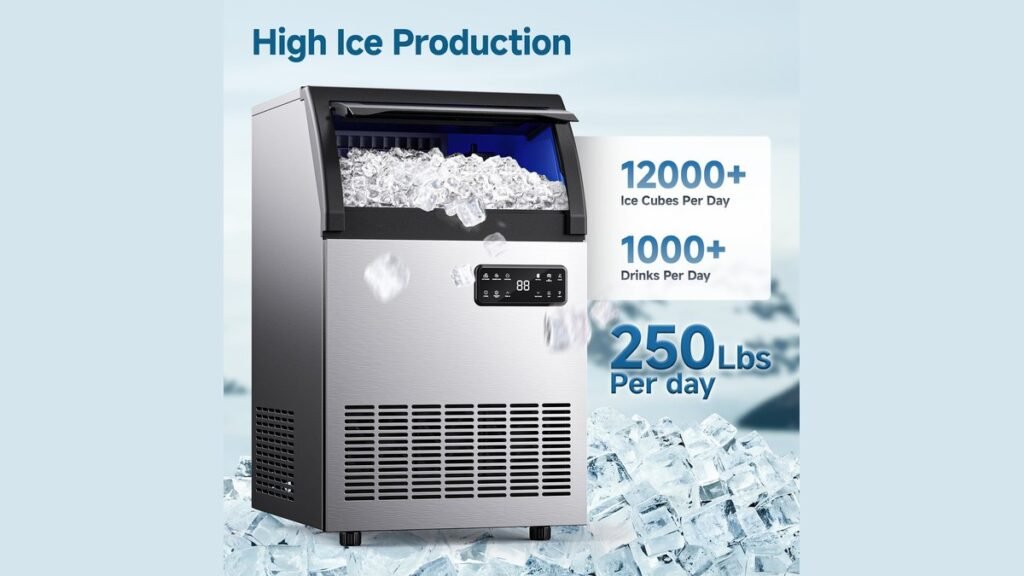
An automatic ice maker functions as a compact, self-contained system that automates the transition of liquid water into solid cubes through a timed sequence of filling, freezing, and harvesting. By integrating a water valve, a thermostat, and a mechanical ejector, the appliance maintains a consistent supply of ice by monitoring the temperature of the mold and triggering a release cycle once the water has solidified. This process repeats continuously until the storage bin reaches capacity, at which point a physical sensing arm or infrared sensor halts production.
Key Takeaways
- Ensure your water supply line is clear of kinks to prevent low-pressure issues.
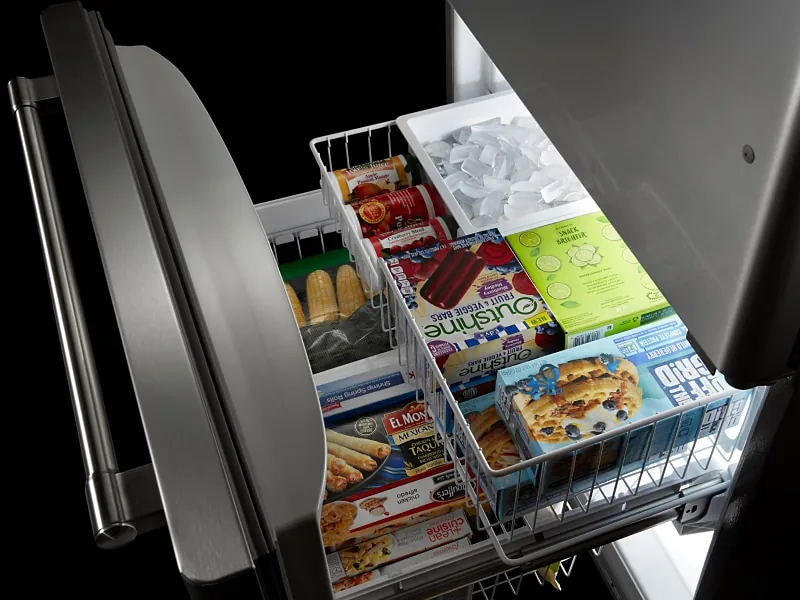
- Keep the freezer temperature at or below 0°F for optimal ice formation speed.
- Test your water inlet valve if the maker fails to fill with water.
- Regularly clean the ice bin to prevent stale odors and mineral buildup.
- Use the wire shut-off arm to manually pause production during vacations.
How Freezer Ice Maker Components Work
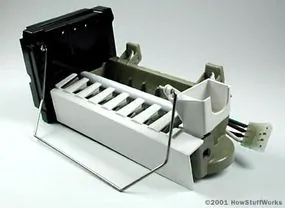
The mechanical operation relies on a few primary components working in sync. The water inlet valve acts as the gatekeeper, opening for a specific duration to fill the mold. Once filled, the thermostat monitors the mold temperature.
When the internal temperature drops to a set point, the ejection motor rotates the harvest arm or twists the plastic tray to break the bond between the ice and the mold. Finally, the storage bin collects the finished cubes while the sensor monitors volume.
| Component | Primary Function | Maintenance Need |
|---|---|---|
| Inlet Valve | Controls water flow | Check for leaks |
| Thermostat | Detects freezing state | Replace if faulty |
| Ejection Motor | Harvests the ice | Inspect for grinding |
| Sensing Arm | Monitors bin capacity | Keep clear of debris |
The Ice Production Cycle Steps
- Water Intake: The controller board signals the inlet valve to open, allowing a measured amount of water to enter the mold.
- Freezing Phase: The water sits in the tray, exposed to the sub-zero air of the freezer, until it reaches a solid state.
- Harvesting: A heating element briefly warms the bottom of the mold, loosening the ice cubes just enough to release them.
- Ejection: The motor rotates the rake, pushing the cubes out of the mold and into the storage bin.
- Reset: The system checks the sensor arm status and restarts the cycle if more ice is needed.
Why Is My Ice Maker Slow?
Slow production is often linked to environmental factors or plumbing restrictions rather than a mechanical failure. If your freezer is set to a temperature higher than 0°F, the water will take significantly longer to reach a solid state. Furthermore, a partially clogged water filter can restrict the flow rate, leading to smaller, hollow, or misshapen cubes.
Troubleshooting Common Mechanical Issues
When the system stops working, isolate the problem by checking the most common failure points. First, verify that the water supply line is fully connected and that the shut-off valve behind the unit is open. If the unit is making a clicking sound but no ice is produced, the ejection motor may be jammed. If the tray remains dry, the issue likely resides with the inlet valve solenoid or a frozen water line.
| Symptom | Potential Cause | Solution |
|---|---|---|
| No ice produced | Water supply off | Check shut-off valve |
| Small, hollow cubes | Clogged water filter | Replace filter cartridge |
| Overfilled bin | Faulty sensor arm | Clear obstruction |
| Noisy operation | Worn gear set | Replace motor assembly |
Essential Maintenance and Cleaning
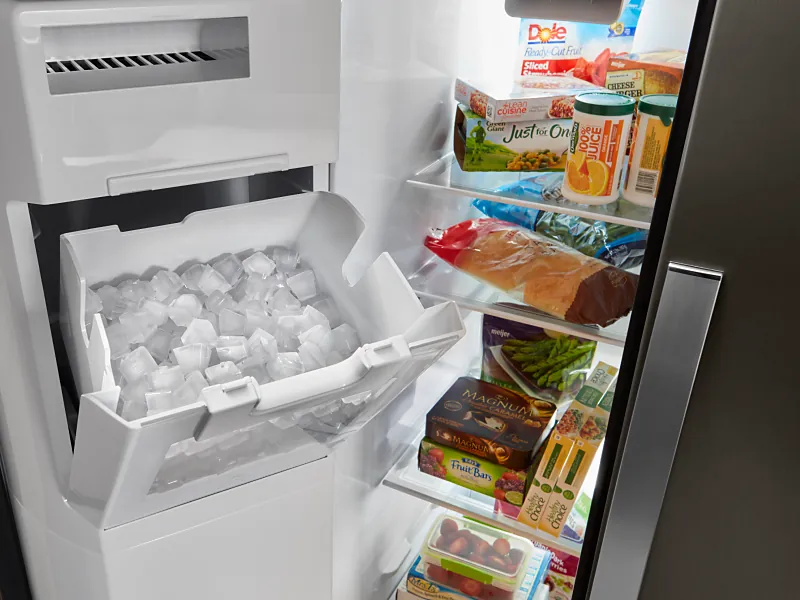
Pro Tip: Wipe down the interior of the ice mold with a damp cloth every six months to prevent mineral deposits from interfering with the ejection cycle.
Regular maintenance extends the lifespan of your appliance. Mineral buildup from hard water can cause the mold surface to become rough, making it difficult for the ice to release. Use a mild soap solution to clean the storage bin and ensure it’s completely dry before returning it to the freezer. Never use sharp metal objects to chip away ice from the mold, as this can permanently damage the non-stick coating.
Frequently Asked Questions
Why is my ice maker leaking water?
Leaking is often caused by high water pressure or a faulty inlet valve that fails to close completely. Check if your home water pressure exceeds the manufacturer’s recommended PSI, as excessive force can cause the valve to bypass. Additionally, ensure the water line connection at the back of the refrigerator is secure and free from cracks or loose fittings that might drip during the fill cycle.
How do I reset the unit?
Most modern ice makers feature a physical reset button located on the side or bottom of the module. Press and hold this button for three to five seconds until you hear the motor engage. If your model lacks a button, you can perform a hard reset by unplugging the refrigerator for five minutes, which clears the control board memory and forces a system re-initialization.
Can I fix a frozen water line?
Yes, you can often thaw a frozen line by using a hair dryer on a low, controlled heat setting. Direct the airflow toward the water inlet tube at the back of the freezer. Be careful not to hold the dryer too close to the plastic components to avoid melting. Once the line clears, ensure your freezer temperature isn’t set too cold.
How long does one cycle take?
A full cycle typically ranges from 90 to 180 minutes, depending on the freezer temperature and the ambient room temperature. If the freezer door is opened frequently, the cycle time will increase as the interior temperature fluctuates. Modern high-efficiency models may offer a “fast ice” mode that lowers the freezer temperature temporarily to shorten the freezing phase and increase overall daily output.
Should I turn it off when full?
You don’t need to turn the unit off manually; the sensing arm or optical sensor detects when the bin is full and pauses production automatically. However, if you plan to be away for more than a week, it’s wise to turn the unit off and empty the bin to prevent the ice from absorbing food odors or clumping together due to temperature fluctuations.
Conclusion
Maintaining your ice maker ensures you always have a fresh supply of ice for your needs. If the unit remains unresponsive after troubleshooting the power, water supply, and sensor positions, consider consulting the user manual for your specific refrigerator model to identify potential control board errors. Following these basic steps will keep your system running smoothly for many years to come.