To troubleshoot ice makers for water circuit problems, start by checking the supply line for kinks and verifying the saddle valve is fully open. The most common cause is a frozen fill tube or a clogged inlet screen that blocks flow before water reaches the mold.
Why ice maker water flow stops
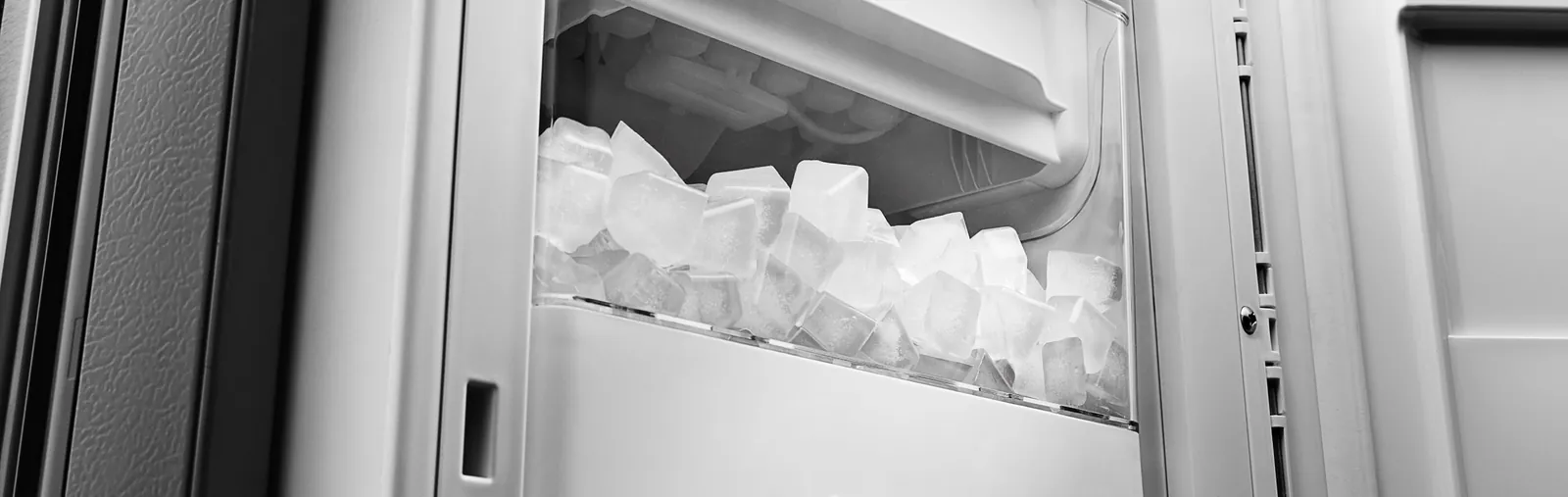
Water fails to reach the ice mold when supply pressure drops below the valve’s minimum threshold or when a physical blockage interrupts the path. Supply lines often kink behind the refrigerator during installation, pinching off flow completely without visible damage to the outer jacket.
Mineral deposits accumulate on the inlet valve screen over time, restricting volume even when the valve opens correctly. Freezer air leaking around the fill tube freezes residual water inside it, creating an ice plug that mimics valve failure. If you can’t restore flow after checking these points, consult your manufacturer’s troubleshooting guide for model-specific diagnostics.
Check supply line and shutoff valve
This fix targets users who recently moved their fridge or installed a new water line. Pull the refrigerator out carefully and inspect the entire copper or plastic supply line for sharp bends, crushing, or pinch points against the wall or floor.
Straighten any kinks gently; replace the line if it won’t hold shape. Locate the saddle valve at the water source and turn it fully counterclockwise until it stops. Partially closed valves are a frequent oversight after maintenance. Test by dispensing water through the door; steady flow confirms the supply path is clear up to the inlet valve.
Clear mineral deposits from inlet screen
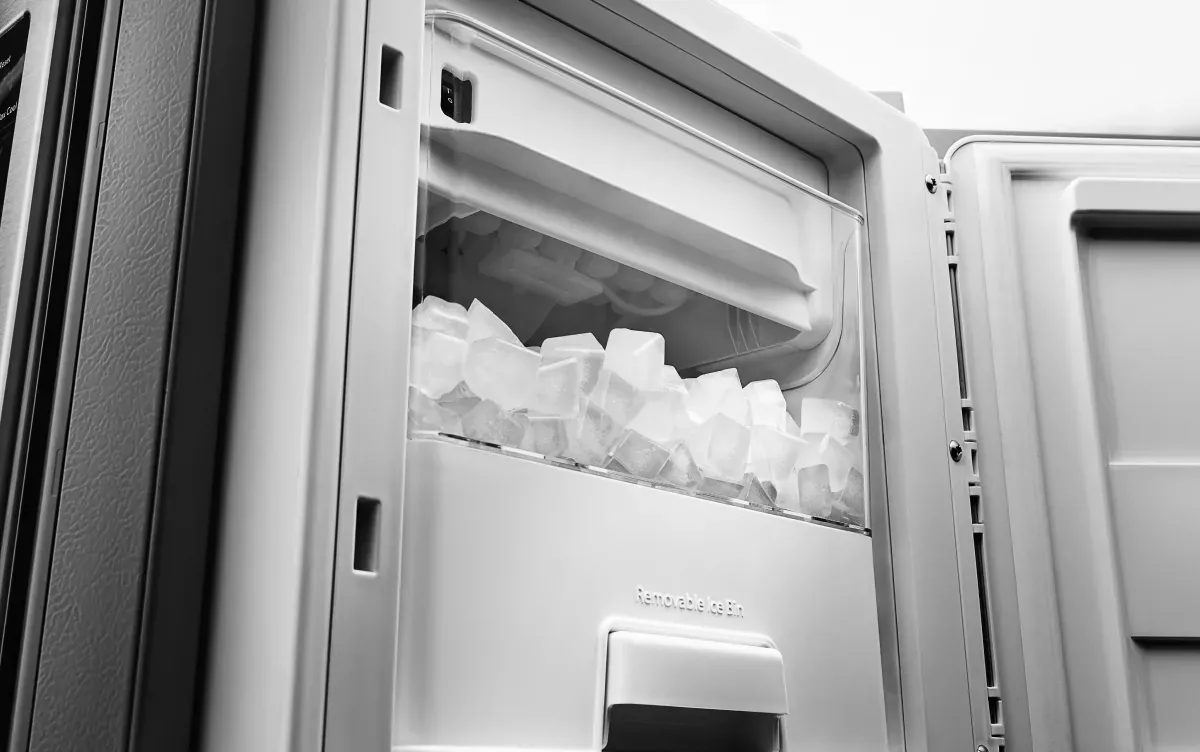
If supply pressure is good but ice production is slow or cubes are undersized, sediment likely clogs the inlet valve screen. Unplug the refrigerator and shut off the water supply before accessing the valve at the back bottom panel.
Remove the valve and rinse the mesh screen under running water to dislodge calcium and debris. Reinstall securely and restore power. This fix requires basic hand tools and comfort working near electrical connections; if you’re unsure about disconnecting wiring safely, hire an appliance technician rather than risk shock or water damage.
Thaw frozen fill tube safely
When water reaches the valve but doesn’t enter the mold, the fill tube is probably frozen solid. This happens when freezer air leaks past the tube seal or when the defrost cycle isn’t clearing frost buildup nearby. Use a hair dryer on low heat, keeping it moving to avoid melting plastic components.
Never use open flame or metal tools. If the tube refreezes within days, the underlying seal or insulation has failed and needs professional repair. This fix works for temporary blockages only; recurring freezes indicate a deeper mechanical fault beyond safe DIY scope.
Ice maker water mistakes to avoid
- Forcing the saddle valve: Overtightening cracks the valve body or strips threads, causing leaks inside walls where damage goes unnoticed until mold appears.
- Using chemical drain cleaners: These corrode plastic tubing and valve seals, creating permanent failures that void warranties and contaminate drinking water.
- Ignoring small leaks: A drip today becomes a flooded kitchen tomorrow; water damage costs far more than replacing an inexpensive supply line now.
- Bypassing the filter: Skipping scheduled filter changes increases sediment load on the inlet screen, accelerating clogs and reducing ice quality.
Prevent future ice maker water circuit problems
Regular maintenance prevents most water circuit issues before they stop ice production entirely.
| If you’re doing this | Do this instead | Why |
|---|---|---|
| Checking for leaks only when ice stops | Inspect connections monthly with dry paper towel | Early moisture detection prevents floor and cabinet damage |
| Using generic water filters | Use OEM or NSF-certified replacements | Proper filtration protects valve screens from sediment |
| Pushing fridge flush against wall | Leave 2-inch clearance behind unit | Prevents supply line crushing during normal vibration |
| Ignoring slow ice production | Clean inlet screen at first sign of slowdown | Mineral buildup accelerates as existing scale traps more sediment |
Frequently asked questions
How do I know if my ice maker water valve is bad?
The valve is faulty if you hear a hum but no water flows despite confirmed supply pressure. Test by swapping the dispenser and ice maker wires at the valve; if the dispenser switch then delivers water through the ice maker circuit, the dispenser solenoid or its control circuit has failed.
Why is my ice maker not getting water but dispenser works?
A separate solenoid controls ice maker flow, so one circuit can fail independently. Check the ice maker harness connection at the valve and test continuity across its terminals. No continuity means a burned-out coil requiring valve replacement, not a shared supply issue.
How often should I replace the ice maker water line?
Replace plastic supply lines periodically or per your refrigerator manual’s schedule. Copper lines last longer but should be inspected annually for corrosion or stress cracks at connection points. Age alone isn’t the trigger; visible wear or stiffness means immediate replacement regardless of timeframe.
Can a clogged water filter stop ice maker flow?
Yes, an exhausted filter restricts flow enough to starve the ice maker while still allowing slow dispenser function. Replace the filter if it’s past six months or rated gallon capacity. Flow should return immediately after installing a fresh cartridge; persistent low flow points elsewhere.
Is it safe to thaw a frozen fill tube myself?
Yes, using only a hair dryer on low setting kept in constant motion. Never apply direct flame, boiling water, or metal tools that can puncture tubing or melt housing. Stop if plastic softens or smells burnt. Recurring freezes require professional diagnosis of the root cause.
What causes repeated fill tube freezing?
Repeated freezing signals failed insulation, a damaged tube seal, or excessive freezer air leakage around the penetration point. Temporary thaws won’t solve this; the seal or gasket needs replacement. Continuing to thaw without repair risks water overflow when the ice plug eventually melts unevenly during defrost cycles.
Conclusion
Always verify your specific model’s safety guidelines before attempting any inspection, as internal layouts and access points vary significantly between manufacturers and production years.