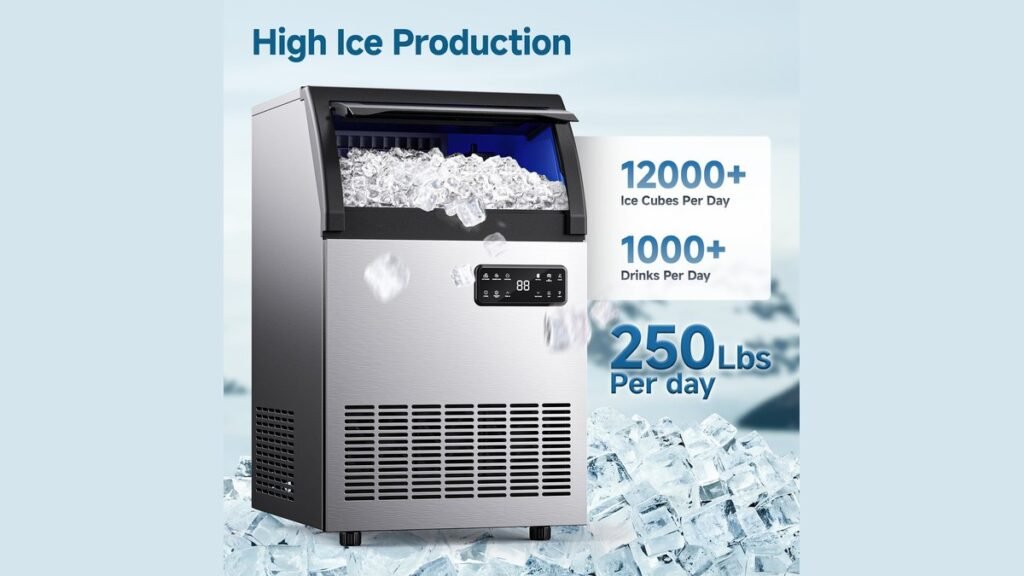
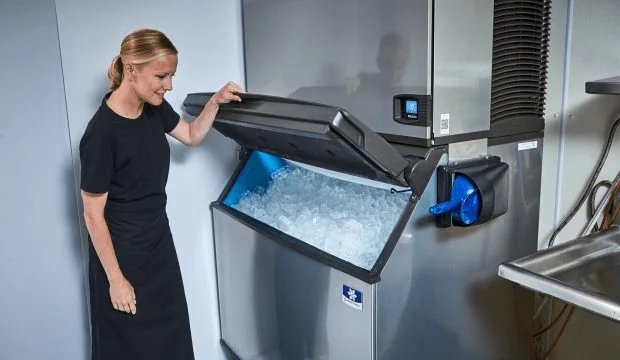
A basic under-counter ice machine costs between $1,500 and $3,500, though the price for a commercial kitchen ice machine often lands between $4,000 and $8,000. These prices vary depending on the daily production capacity, cooling method, and the integrated storage bin size.
What an ice machine costs
- Portable countertop units: $150–$500 for home use with limited daily output.
- Under-counter models: $1,500–$3,500 for small bars or low-volume office breakrooms.
- Modular commercial machines: $4,000–$8,000 for high-volume restaurants requiring large ice storage.
- Specialty nugget makers: $3,000–$6,000 for premium chewable ice favored in healthcare settings.
- Installation costs: $500–$1,500 for professional plumbing, electrical, and water filtration setup.
Why Ice Machine Prices Vary
The primary factor driving price is the volume of ice produced within a 24-hour cycle. A machine that produces 50 pounds of ice per day uses a much smaller compressor and condenser than one capable of outputting 500 pounds. You pay for the cooling power required to maintain consistent ice hardness and clarity.
Construction materials also play a major role in the total investment. Models with stainless steel exteriors and heavy-duty evaporator plates cost more but resist corrosion in humid kitchen environments. Furthermore, machines that meet ENERGY STAR commercial ice machine requirements often carry a higher upfront price tag but reduce long-term utility bills. If you require a unit for a high-traffic area, prioritize build quality over the initial purchase price to avoid frequent repairs. Always check the manufacturer’s specification sheet for the rated ice production at a standard ambient air temperature of 70°F and water temperature of 50°F to ensure you’re comparing models accurately.
Factors Changing Your Final Cost
| Situation | What changes | What to do instead |
|---|---|---|
| Water quality is poor | Filtration system needs | Add a scale-inhibitor system |
| High ambient room heat | Cooling efficiency drops | Buy a water-cooled model |
| Limited floor space | Installation complexity | Choose a stacked unit |
| Remote refrigeration needed | Compressor location | Plan for roof ventilation |
| High-volume peak demand | Storage bin capacity | Size for max usage |
How to Install an Ice Machine
- Check the site: Ensure the floor is level and you have at least 6 inches of clearance on all sides for proper airflow.
- Verify plumbing: Connect a cold water supply line using a dedicated shut-off valve to allow for maintenance without turning off the building water.
- Install filtration: Mount a water filter between the supply line and the machine to remove sediment and prevent mineral scale buildup on the evaporator.
- Connect the drain: Run a gravity-fed drain line with a consistent downward slope of at least 1/4 inch per foot to prevent standing water.
- Power the unit: Plug the machine into a dedicated circuit breaker matching the voltage and amperage requirements listed on the unit’s data plate.
- Sanitize the bin: Use a food-grade nickel-safe cleaner to wipe down the interior bin and evaporator surfaces before starting the first cycle.
- Test the cycle: Turn the power on and observe the first three batches of ice to ensure the thickness and harvest cycle are correct.
Common Mistakes That Ruin Efficiency
- Ignoring ventilation: Placing a unit in a tight closet without airflow causes the compressor to overheat, which ruins the ice production rate.
- Skipping water filters: Failing to filter water leads to rapid mineral scale buildup, which eventually destroys the expensive evaporator plate.
- Incorrect sizing: Buying a machine that’s too small for peak hours forces the unit to run constantly, leading to premature motor failure.
- Neglecting cleaning: Not cleaning the machine every 6 months allows slime and mold to grow, which contaminates the ice and violates health codes.
Frequently asked questions
Photo: www.vevor.com on Google
Can I install an ice machine myself?
You can install a simple plug-in unit yourself, but commercial machines require professional plumbing and electrical work to remain under warranty. If you aren’t familiar with local building codes, hire a licensed technician to avoid leaks or fire hazards.
How long does an ice machine last?
Most commercial ice machines last between 7 and 10 years with regular maintenance. The lifespan depends on your water hardness and how often you replace the water filtration cartridges to prevent internal mineral scale buildup.
How often do I need to clean the machine?
You should clean and sanitize the machine at least every 6 months to ensure food safety. If your area has hard water or heavy dust, you must perform these cleanings every 3 to 4 months to prevent mechanical damage.
Does the ice shape affect the price?
Yes, specialty shapes like gourmet cubes or nugget ice are more expensive than standard half-dice or full-dice cubes. These machines use more complex evaporator designs, which increases the manufacturing cost and the final price you pay.
Is a water-cooled machine better than an air-cooled one?
Water-cooled machines are better only if you have very little space for ventilation or if the room temperature is consistently above 90°F. These units consume significantly more water, so consider your monthly utility costs before choosing this option.
What happens if I don’t use a water filter?
If you don’t use a water filter, mineral scale will build up on the evaporator plate within months. This scale acts as an insulator, which prevents heat transfer, slows down ice production, and eventually causes the machine to stop harvesting ice.
Is it safe to use a used ice machine?
It’s safe to use a used machine if you can verify its maintenance history and ensure the interior is free of mold. Always check the evaporator plate for pitting or corrosion, as these parts are often too expensive to replace on older units.
Conclusion
Choosing the right ice machine requires matching your actual peak volume to the machine’s rated output while accounting for local water quality and available space. If you’re uncertain about your capacity needs, start by tracking your daily ice usage for one week during your busiest season to avoid overspending on a model that’s too large for your actual requirements.
Related guides