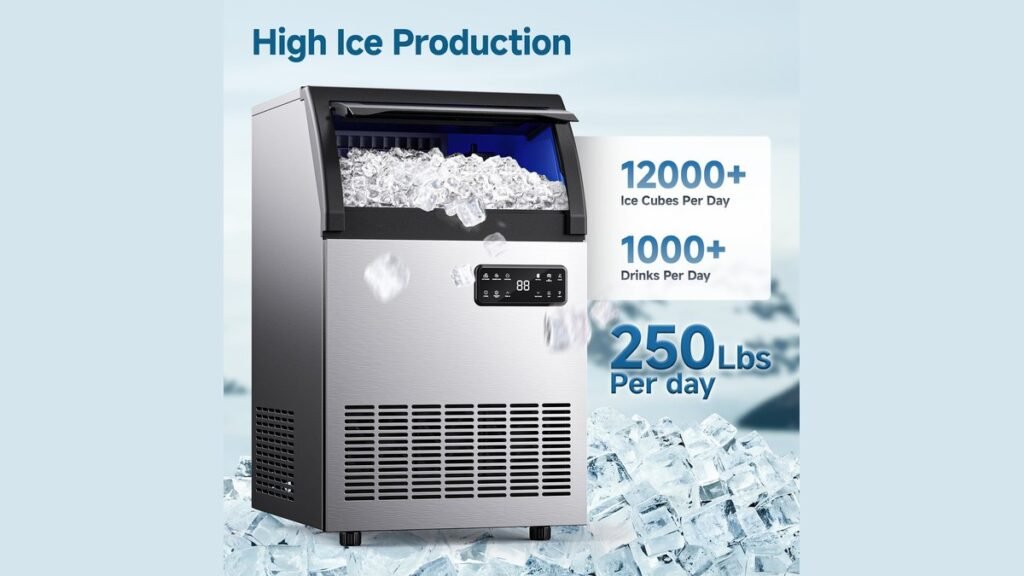
Working an ice machine involves ensuring the unit has a stable power supply, a consistent water source, and proper ventilation to allow the cooling system to function efficiently. Whether you’re operating a portable countertop unit or a large-scale commercial ice maker, the core mechanics rely on circulating water over a chilled evaporator plate until it reaches the desired thickness. By following basic operational protocols and maintaining the internal components, you ensure the machine produces sanitary, high-quality ice cubes without mechanical failure.
Key Takeaways
- Verify the water line connection is secure and free of leaks before powering on the unit.
- Always allow a new or moved machine to sit upright for at least four hours before plugging it in.
- Keep the surrounding area clear of obstructions to facilitate proper heat dissipation from the condenser.
- Use only food-grade sanitizing solutions when performing routine cleaning cycles.
- Check the bin sensor regularly to ensure the machine stops producing ice when the container is full.
Understanding How to Work an Ice Machine
Operating an ice machine requires a balance of mechanical engagement and routine monitoring. Most modern units feature a control panel that allows you to adjust the ice cube size or initiate a cleaning cycle. To start a typical cycle, press the power button, select your preferred cube density, and ensure the water reservoir is full. If your unit is connected to a water line, the machine will automatically replenish the supply.
| Cycle Stage | Function | Duration |
|---|---|---|
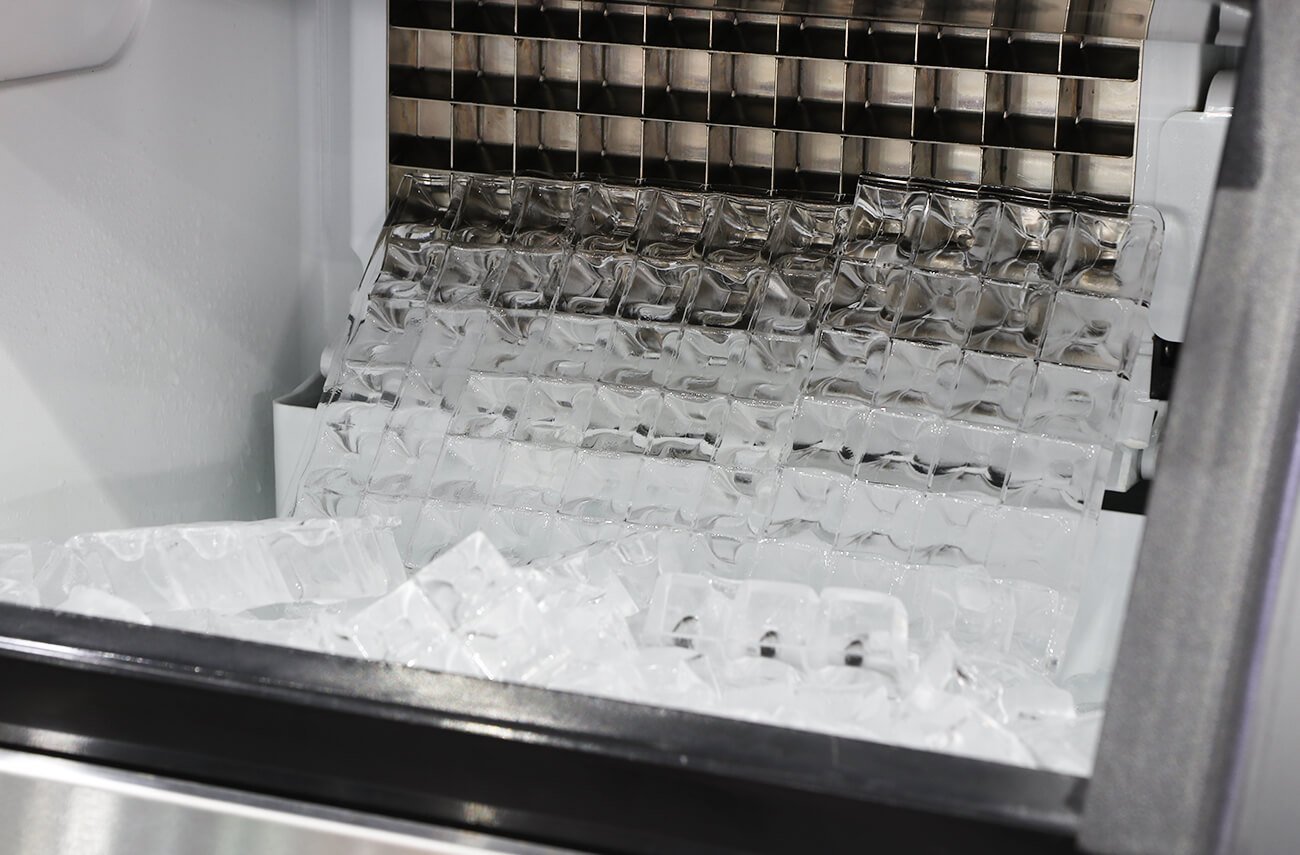
| Freeze | Water flows over the evaporator | 15–30 minutes |
| Harvest | Hot gas releases the ice | 2–5 minutes |
| Standby | Sensor detects full bin | Indefinite |
How Do You Start the Machine?
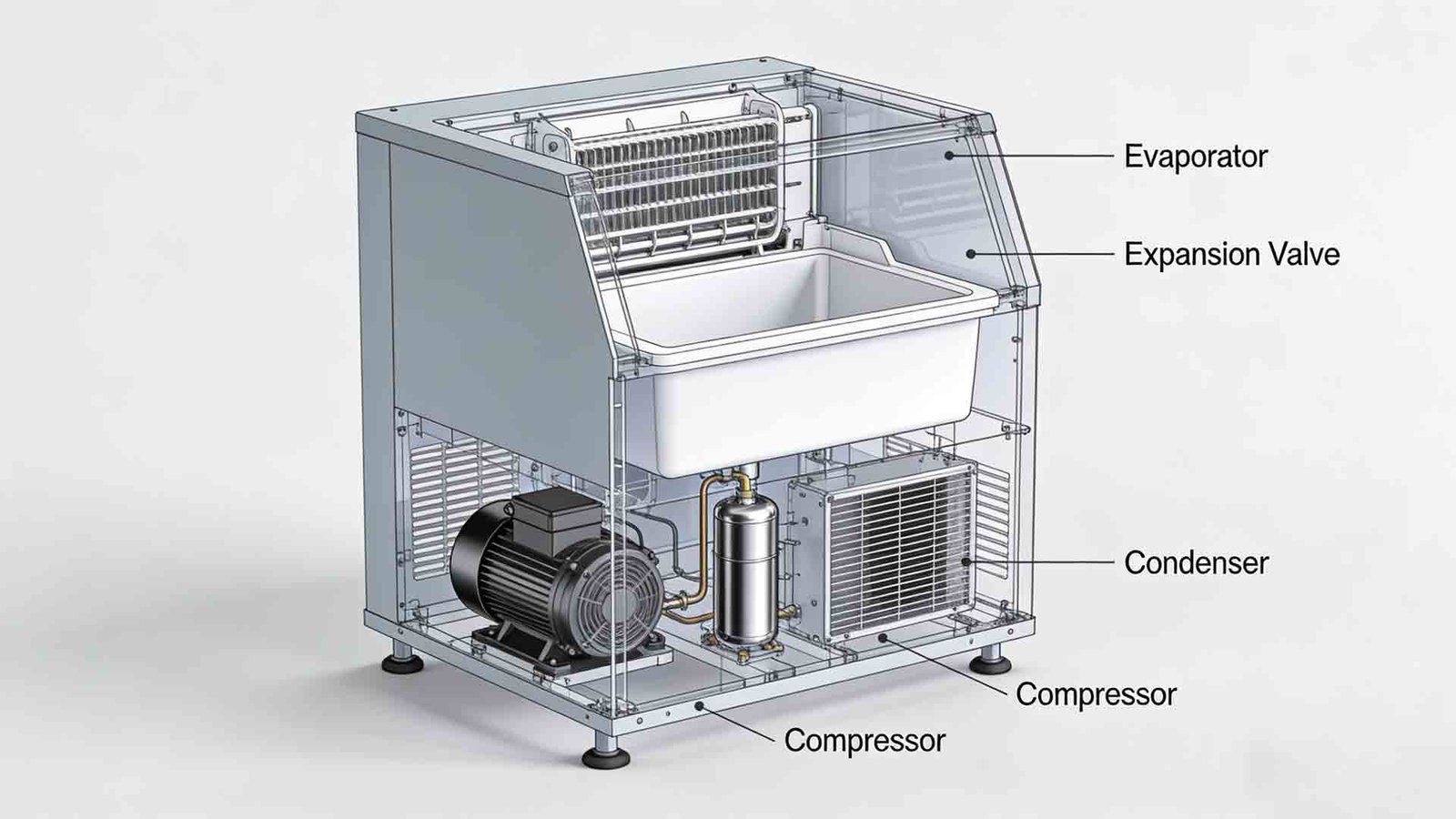
Starting the process is straightforward for most models. First, confirm the machine is plugged into a grounded outlet. If it’s a portable unit, pour filtered water into the internal reservoir until it reaches the fill line. For built-in or commercial models, open the shut-off valve on the water supply line. Once water is present, press the “Start” or “On” button. The internal compressor will engage, and you’ll typically hear the fan or pump activate within a few minutes.
Warning: Never use distilled water in an automatic ice maker, as the sensor relies on the mineral content of the water to detect the water level accurately.
Managing Ice Cube Size
Most machines provide a way to toggle between small, medium, and large ice cubes. This is usually managed by adjusting the timer setting on the control board. A longer freeze cycle creates thicker, larger cubes, while a shorter cycle results in smaller, thinner pieces. If your machine doesn’t have a digital interface, look for a dial or a physical switch located near the evaporator assembly to adjust the ice thickness.
Cleaning and Sanitizing Procedures
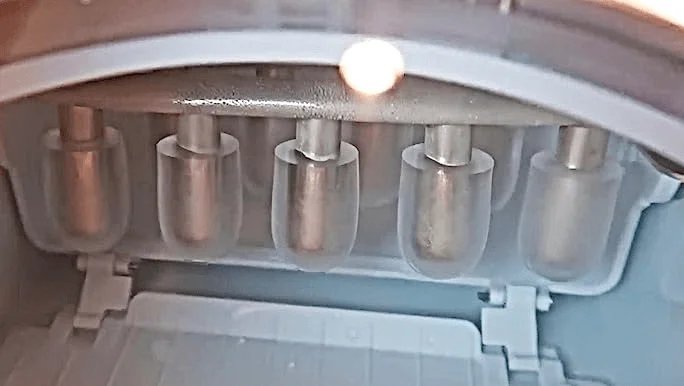
Maintaining a sanitary environment is essential to prevent scale buildup and mold. You should perform a deep clean at least every six months. Use a manufacturer-recommended commercial ice machine cleaner to dissolve mineral deposits and scale. Drain the reservoir completely, circulate the cleaning solution through the system according to the manual, and then flush the system twice with fresh water before resuming normal ice production.
Troubleshooting Common Operational Issues
If your machine isn’t producing ice, check the following common failure points. First, verify the water supply isn’t restricted by a kinked hose or a clogged filter. Next, ensure the ambient temperature is within the operating range specified by the manufacturer, as extreme heat can prevent the compressor from cycling correctly.
| Symptom | Potential Cause | Solution |
|---|---|---|
| No ice produced | Power or water supply | Check cord and valve |
| Ice is cloudy | High mineral content | Use a water filter |
| Machine is loud | Improper leveling | Adjust the feet |
How to Maintain Proper Ventilation
An ice machine generates significant heat as a byproduct of the freezing process. If the unit is built into cabinetry, it must have adequate clearance on the sides and back to allow for airflow circulation. Without this, the internal temperature will rise, causing the machine to work harder, consume more energy, and eventually shut down to prevent motor damage.
Pro Tip: Use a spirit level to ensure your machine is perfectly flat; if the unit is tilted, water may not flow evenly over the evaporator, leading to misshapen or incomplete ice cubes.
Selecting the Right Water Source
The quality of your ice depends heavily on the water quality. If you live in an area with hard water, you’ll notice white, flaky buildup on the evaporator plates much faster. Using an in-line water filter is the best way to extend the lifespan of your machine and ensure your ice remains clear and odor-free. Replace these filters every four to six months depending on your local water quality and volume of use.
Frequently Asked Questions
Why is my ice machine making slush instead of cubes?
This usually indicates that the water flow is too high or the freeze cycle is too short. Check your settings to ensure you haven’t accidentally selected a “quick” mode. Additionally, verify that the ambient temperature isn’t too high, as the machine may struggle to reach the necessary freezing point to form solid, distinct cubes.
How often should I empty the bin?
You should empty and wipe down the ice storage bin every two to four weeks. Even if the machine is automatic, old ice at the bottom of the bin can absorb odors from the freezer or surrounding environment. Regular cleaning prevents the buildup of bacteria and ensures that the ice you serve remains fresh and tastes neutral.
Can I use tap water in my machine?
Yes, you can use tap water, provided it’s potable. However, if your tap water contains high levels of chlorine or minerals, it will affect the taste of the ice and increase the frequency of required cleanings. Using a dedicated water filtration system is highly recommended to improve both the longevity of the machine and the quality of the end product.
What should I do if the machine is leaking?
First, check the drain line to ensure it isn’t clogged or blocked. If the leak originates from the base, inspect the water intake valve connection for a loose fitting or a cracked gasket. If you can’t identify the source of the water, turn off the water supply valve immediately and disconnect the unit from the power source to prevent electrical shorts.
How do I reset the unit?
Most machines can be reset by unplugging the unit from the power source for at least sixty seconds. This allows the internal capacitor to discharge and the control board to reset to its factory defaults. If the machine continues to display an error code after a hard reset, consult the user manual to identify the specific error sequence and the required technical fix.
To keep your machine running smoothly, prioritize regular cleaning and ensure the water supply is filtered to prevent mineral buildup. Check your manual for specific maintenance schedules, and if you notice persistent performance issues, contact a certified technician to inspect the internal cooling components before the problem leads to a total mechanical failure.