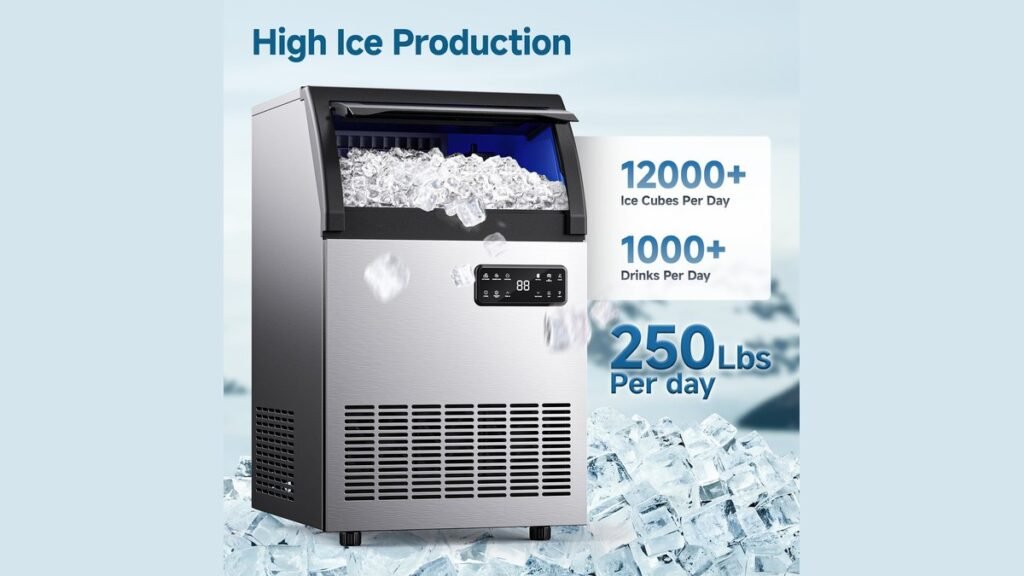
Making flake ice involves using a specialized ice machine that scrapes thin layers of frozen water from a refrigerated cylinder, resulting in soft, chewable, and rapid-cooling ice particles. Unlike standard cube ice, flake ice is prized for its high surface area, making it perfect for medical cooling, food displays, and craft cocktails. Whether you’re seeking a commercial unit or a DIY approach, achieving the right texture requires precision and the correct equipment.
Key Takeaways
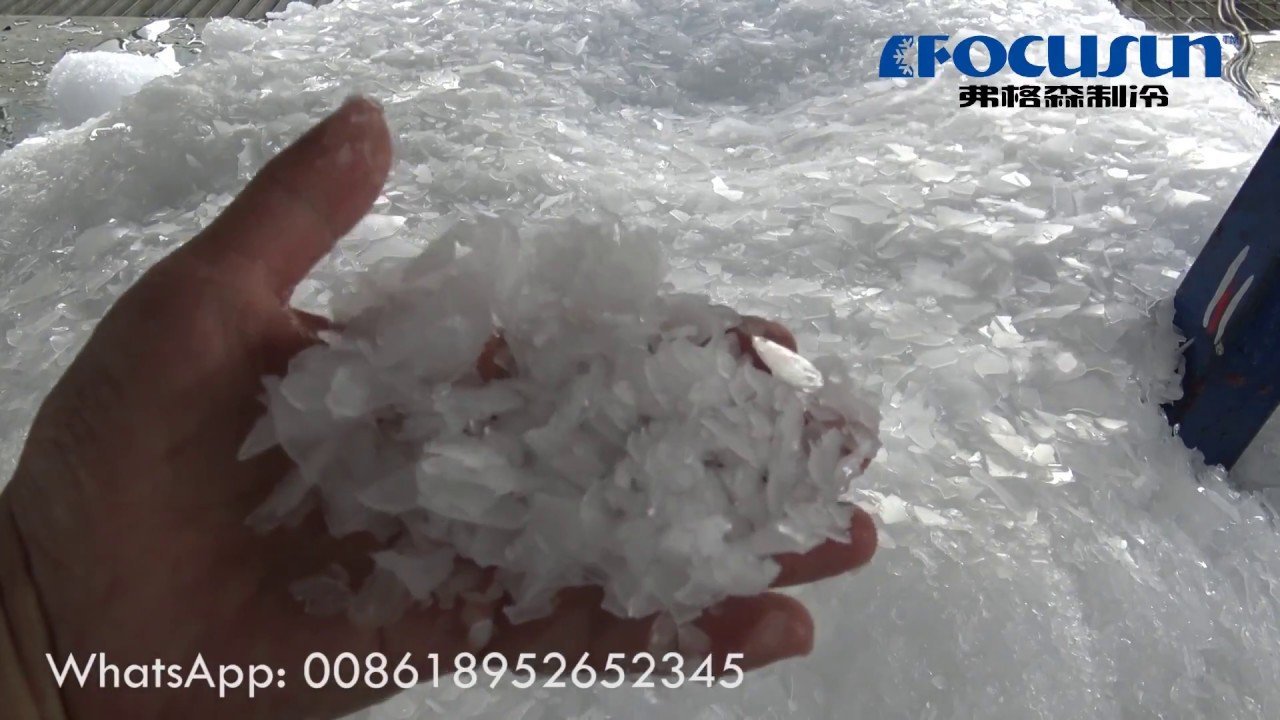
- Flake ice is created by freezing a thin layer of water on a cold surface and mechanically scraping it off.
- Commercial flake ice machines typically cost between $2,500 and $7,500 depending on output capacity.
- DIY methods using a food processor or a blender can yield similar results but require manual labor.
- Proper maintenance, including regular cleaning and descaling, is essential to prevent mineral buildup and bacterial growth.
- Always use filtered, high-quality water to ensure the ice remains clear, odorless, and food-safe.
How To Make Flake Ice Manually
If you don’t have a dedicated machine, you can replicate the texture of flake ice using a high-powered blender or a food processor. This method is effective for small batches needed for immediate use.
- Freeze water in large, flat silicone trays to create thin sheets of ice.
- Remove the frozen sheets and break them into smaller shards by hand.
- Place the ice shards into your food processor or high-speed blender.
- Use the “pulse” setting in short, sharp bursts until you achieve a snowy, flaky consistency.
- Transfer the ice immediately to a chilled container to prevent it from melting or clumping together.
Warning: Don’t over-process the ice, as the friction from the blades will quickly turn your flakes into liquid water.
Methods for Creating Flake Ice
| Method | Equipment Needed | Effort Level | Best For |
|---|---|---|---|
| Mechanical Machine | Flake Ice Maker | Low | Bars, Displays |
| Manual Processor | Blender / Processor | Medium | Home Cocktails |
| Hand Shaving | Ice Shaver / Plane | High | Shaved Ice Cones |
Selecting a Flake Ice Machine

When purchasing a dedicated machine, you must consider the daily production volume, which usually ranges from 100 to 1,000 pounds per day. These machines operate by circulating water over an evaporator cylinder, where a stainless steel auger constantly scrapes away the ice.
- Scotsman Prodigy Series: Known for reliability and high production rates.
- Hoshizaki Flaker Models: Features a durable, stainless steel exterior and advanced self-diagnosis.
- Manitowoc RNS Series: Offers a compact footprint suitable for kitchens with limited space.
Pro Tip: Look for an “Energy Star” certified model to significantly reduce your long-term utility costs, as these machines run continuously to maintain their internal temperatures.
Maintenance and Food Safety
To keep your ice safe for consumption, you must adhere to strict sanitation guidelines. Because flake ice makers have many moving parts that come into contact with water, they’re prone to biofilm development. According to the FDA Food Code guidelines, ice is classified as food and must be handled with the same sanitary rigor as any other perishable item.
- Sanitize: Clean the auger and bin at least once every six months.
- Filter: Replace water filters every three to six months to prevent scale.
- Inspect: Check for any signs of mold or mineral deposits on the evaporator surface.
What Causes Poor Ice Texture?
If your ice is coming out too slushy or too chunky, the machine’s internal settings likely need adjustment. A common culprit is the water-to-ice ratio. If the water flow is too high, the ice will be wet and slushy; if the temperature is too high, the flakes will be too thick and jagged.
| Issue | Potential Cause | Fix |
|---|---|---|
| Wet Slush | High water flow | Adjust flow valve |
| Chunky Ice | High temperature | Lower thermostat |
| Cloudy Ice | Mineral impurities | Use a water softener |
Why Is My Machine Making Noise?
A loud or rattling ice maker often indicates that the auger is grinding against the evaporator wall. This is frequently caused by a buildup of hard water scale, which creates uneven surfaces. Regular descaling using an acid-based cleaner specifically designed for ice machines will usually resolve this mechanical friction. If the noise persists after cleaning, the motor bearings may be worn and require replacement by a certified technician.
Frequently Asked Questions
Can I make flake ice in a freezer?
You can’t effectively make flake ice simply by placing water in a freezer. The slow-freezing process in a standard freezer creates large, hard crystals rather than the soft, fine flakes produced by rapid-freezing machinery. You must use a mechanical scraper or a high-speed blender to achieve the specific consistency required for true flake ice.
Is flake ice better for drinks?
Flake ice is excellent for drinks like mint juleps, tiki cocktails, or blended beverages because it melts quickly and creates a uniform, chilled texture. However, it isn’t ideal for spirits served on the rocks, as it dilutes the drink much faster than large, clear cubes. The choice depends entirely on the desired presentation and the rate of consumption.
Do I need a floor drain?
Yes, most professional-grade flake ice machines require a dedicated floor drain. As the machine produces ice, it also generates small amounts of excess water and condensate that must be removed continuously. If you don’t have a floor drain, you would need to install a condensate pump to lift the water to a nearby sink or drainage pipe.
How much power does it use?
A typical commercial flake ice machine consumes between 5 and 15 kilowatt-hours per 100 pounds of ice produced. The exact usage depends on the ambient air temperature and the incoming water temperature. Units installed in hot environments or those without proper ventilation will work harder and consume significantly more electricity during the peak summer months.
How often should I clean it?
You should perform a deep cleaning and sanitization cycle at least twice per year. In areas with “hard” water, you may need to clean it every three months to prevent the rapid accumulation of mineral scale. Always follow the specific manufacturer’s instructions regarding the chemical cleaners allowed, as harsh chemicals can damage the stainless steel evaporator surface.
Start by evaluating your daily ice needs; if you require more than ten pounds of ice per week for entertaining or business, investing in a dedicated countertop flake ice maker will save you significant time and effort compared to manual blending. Check the physical dimensions of your available counter space to ensure the unit has proper airflow, then select a model that fits your budget.