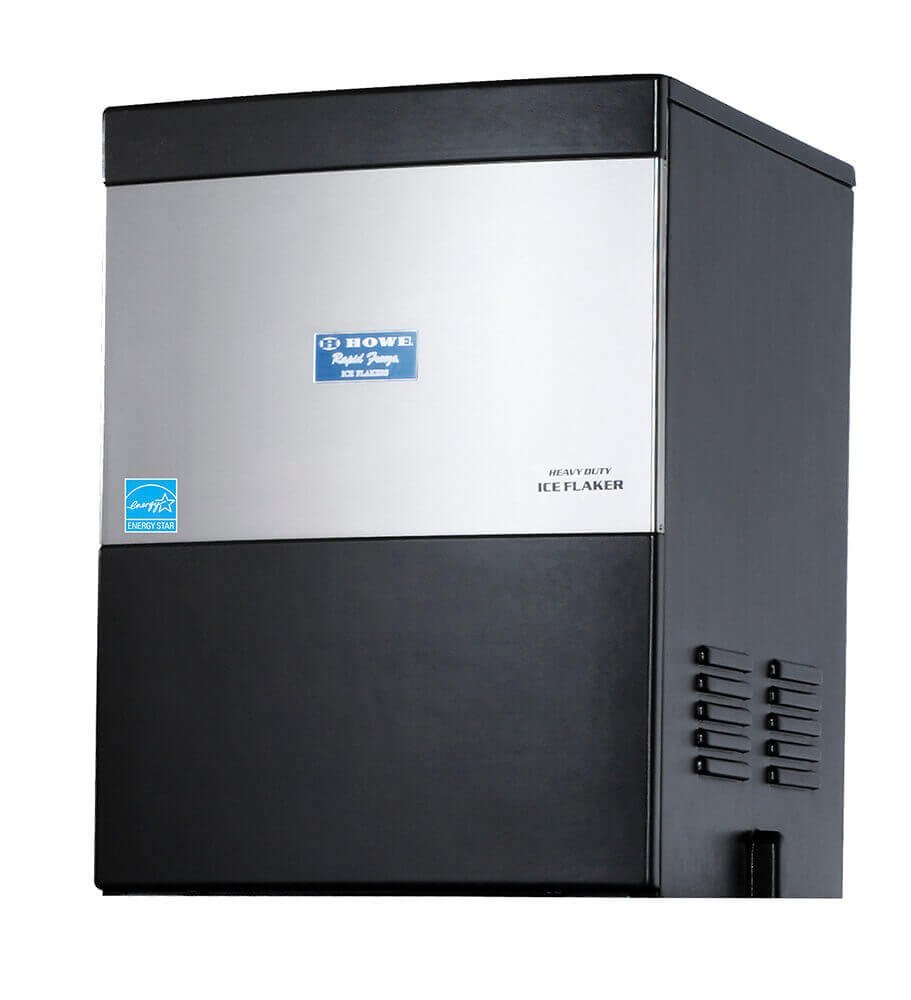
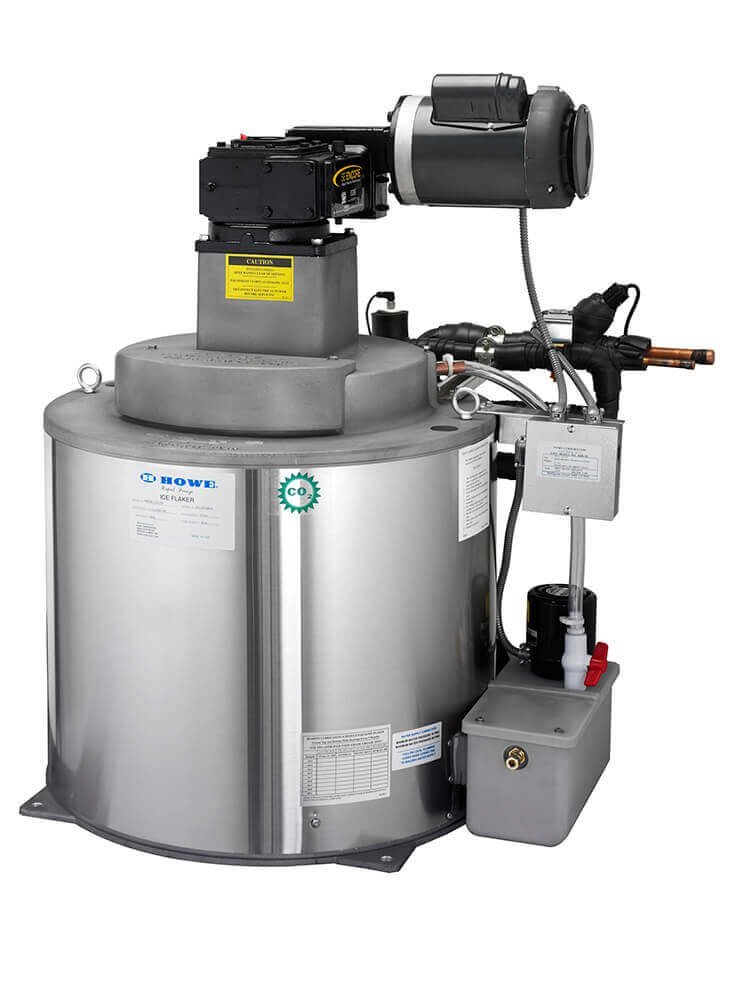
When you’re searching for a howe rapid freeze ice flaker, you’re looking for high-capacity industrial equipment capable of producing consistent, sub-zero flake ice. These machines are essential for food processing, commercial fishing, and medical applications where rapid cooling is mandatory. Depending on the production capacity, age, and specific configuration, you can expect to pay between $8,500 and $28,000 for a refurbished or new unit. This equipment operates by freezing a thin layer of water onto a refrigerated cylinder, which is then scraped off by a cutter to create versatile ice flakes.
Key Takeaways
- Check the daily production capacity before purchase to ensure it matches your specific business volume.
- Ensure your facility has the correct voltage and water pressure requirements for the intended model.
- Perform routine maintenance on the scraper blades to prevent mechanical failure during peak demand.
- Verify all electrical components meet NSF International food equipment standards to ensure compliance.
- Prioritize units with stainless steel construction to resist corrosion in harsh, wet environments.
How the Flaking Process Works
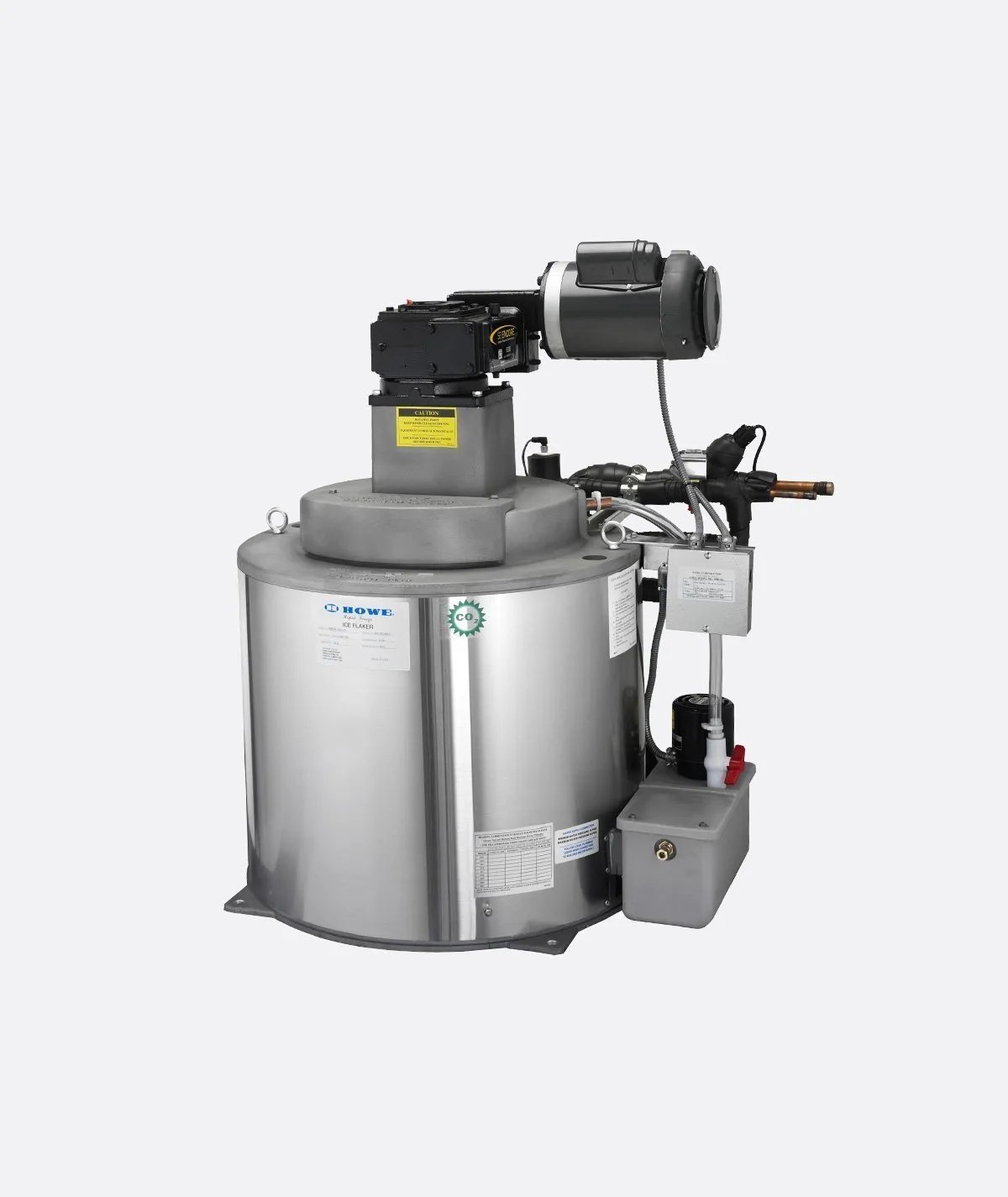
The core of this technology is the vertical or horizontal evaporator cylinder. As refrigerant flows through the internal coils, the outer surface reaches temperatures well below freezing. Water is distributed evenly across this cold surface, creating a continuous thin sheet of ice. A heavy-duty auger or rotating blade then shears the ice from the metal, resulting in dry, sub-zero flakes that are ideal for rapid heat transfer.
Essential Components
- Refrigeration System: High-efficiency compressors designed for continuous operation.
- Water Distribution: Precision spray bars or nozzles that prevent scale buildup.
- Cutter Assembly: Hardened steel blades that require periodic sharpening or replacement.
- Control Panel: Integrated sensors for monitoring water levels and bin capacity.
Operating Capacity Comparison
| Model Category | Daily Output (lbs) | Typical Application |
|---|---|---|
| Small Commercial | 500 – 1,200 | Seafood displays, buffets |
| Mid-Sized Industrial | 2,000 – 5,000 | Meat processing, bakeries |
| Large Scale | 6,000 – 15,000+ | Industrial fishing, chemical cooling |
Maintenance Requirements
To keep your machine running, you must adhere to a strict service schedule. Scale buildup is the primary enemy of any ice maker. If mineral deposits accumulate on the evaporator, the ice quality will degrade, and the motor will strain to break the ice away.
- Weekly: Wipe down exterior surfaces and check the bin for debris.
- Monthly: Inspect the water filter and replace cartridges if the flow rate has dropped.
- Quarterly: Perform a full chemical descaling of the evaporator drum.
- Annually: Have a technician inspect the refrigeration charge and electrical connections.
Pro Tip: Always use an approved nickel-safe descaling solution to prevent damaging the evaporator drum’s specialized finish during cleaning.
Troubleshooting Common Issues
When your machine stops producing ice, start with the most obvious culprits before calling a technician. Check the power supply and the water inlet valve first.
| Problem | Likely Cause | Solution |
|---|---|---|
| Low Ice Production | Clogged water filter | Replace filter element |
| Wet/Slushy Ice | High water temperature | Adjust thermostat or chiller |
| Loud Grinding Noise | Worn scraper blades | Replace cutter assembly |
| Machine Won’t Start | Tripped circuit breaker | Reset and check load |
Are These Machines Durable?
Most industrial flakers are built to last for over a decade if properly maintained. The use of heavy-duty stainless steel and high-grade refrigeration components ensures that they can withstand the humid, corrosive environments typical of fish markets or industrial kitchens. However, the moving parts, such as the cutter and motor bearings, are subject to wear and will eventually require replacement.
Selecting the Right Model
When choosing a model, consider your space limitations and the ambient temperature of the room. A machine placed in a hot kitchen will struggle to maintain efficiency compared to one in a climate-controlled room. Evaluate whether you need a remote condenser unit, which moves the heat-generating component outside, keeping your interior space cooler.
Warning: Never attempt to bypass safety interlocks or sensors, as the high-torque nature of the scraper mechanism poses a significant risk of injury.
Energy Efficiency Tips
Modern flakers are significantly more efficient than older models. Look for units that feature advanced insulation and automated timers. By scheduling your ice production during off-peak hours, you can also lower your utility costs significantly. Keeping the condenser coils clean is another simple way to ensure the compressor doesn’t have to work harder than necessary, which extends the life of the entire system.
Frequently Asked Questions
How often should I sanitize the unit?
You should perform a full sanitization cycle at least every six months to prevent mold and bacterial growth. If your local water supply has high mineral content, you may need to perform this process more frequently to maintain optimal performance and food safety standards.
Can I use these for medical cooling?
Yes, these units are frequently used in medical settings to create ice packs for patient therapy. Ensure your unit is kept in a clean, sanitary environment and that you use a food-grade, NSF-certified water filtration system to guarantee the ice remains sterile for clinical use.
What is the ideal water pressure?
Most industrial flakers require a water pressure range between 20 and 80 PSI. If your facility’s pressure is outside this range, you must install a pressure regulator. Inconsistent water pressure can lead to uneven ice thickness or damage to the distribution system.
Why is my ice coming out cloudy?
Cloudy ice is usually caused by trapped air bubbles or high levels of dissolved minerals in your water supply. While this doesn’t necessarily affect the cooling performance, using a reverse osmosis or deionization water treatment system will produce clearer, harder, and more aesthetically pleasing flakes.
How do I store the ice safely?
Store your ice in a dedicated, insulated, and covered bin made of food-grade plastic or stainless steel. Always use a sanitized ice scoop and never touch the ice with your hands. Ensure the bin is elevated off the floor to prevent contamination from cleaning chemicals or floor debris.
Properly maintaining your industrial ice equipment ensures that your business operations run smoothly without costly interruptions. If you notice a decline in output or strange noises coming from the motor housing, consult your owner’s manual immediately to identify the specific part number for replacement. Reach out to a certified refrigeration technician to schedule a professional inspection and ensure your system is running at peak capacity.