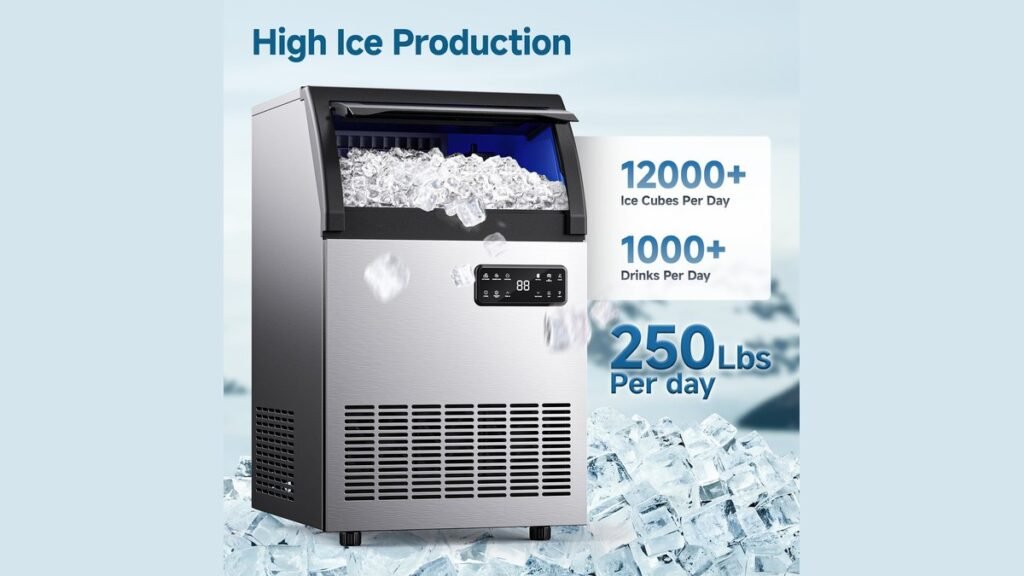
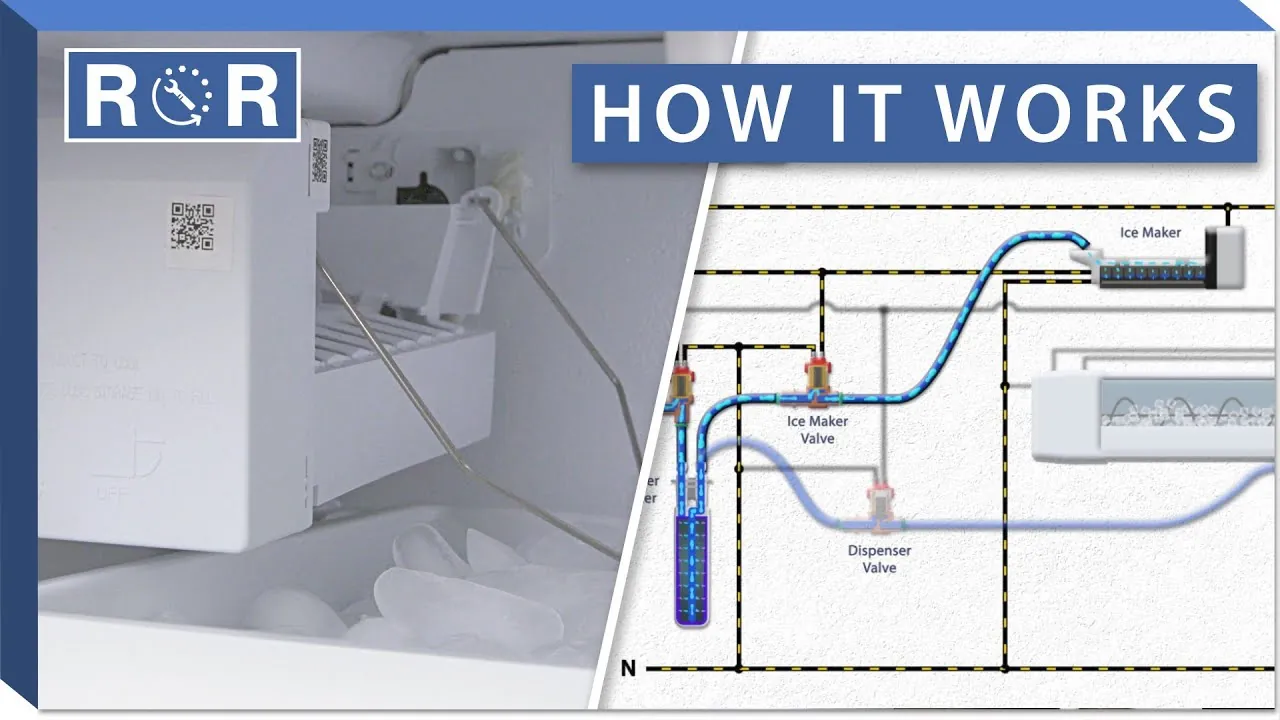
Understanding the mechanical cycle of an ice maker how it works reveals a fascinating blend of plumbing and refrigeration. Modern units typically operate through a continuous loop that involves water supply, freezing, harvesting, and storage. These appliances maintain a consistent supply by cycling through these phases until the bin reaches capacity, at which point a thermostat halts production.
Key Takeaways
- Water inlet valves control the flow rate.
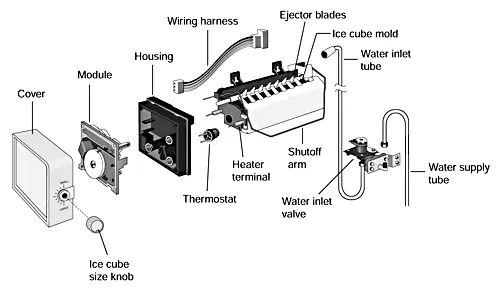
- Evaporator coils freeze water into molds.
- Heating elements trigger the harvest cycle.
- Thermostats monitor bin capacity levels.
- Routine cleaning prevents mineral buildup.
The Water Supply Phase
The process begins when the control module signals the water inlet valve to open. Water flows from your home supply line into the ice mold or tray. According to NSF International food equipment standards, these supply lines must meet specific material safety requirements to prevent contamination during the transfer process.
How Does Freezing Happen?
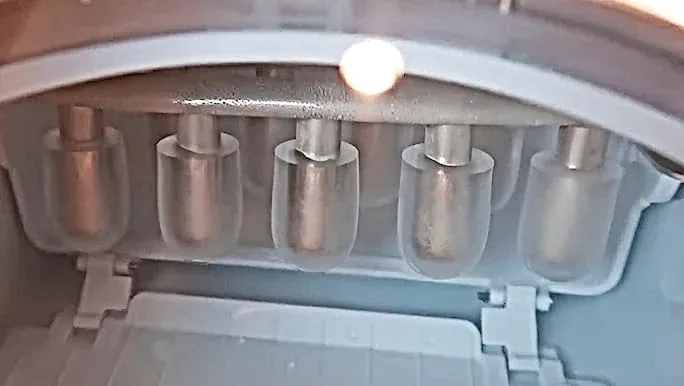
Once filled, the unit uses a refrigeration cycle to lower the temperature of the mold. The compressor pumps refrigerant through the coils, absorbing heat from the water.
| Component | Function |
|---|---|
| Compressor | Circulates cooling refrigerant gas |
| Evaporator | Freezes water into ice shapes |
| Mold | Determines individual ice cube size |
How the Ice Maker Harvesting Works
After the cubes reach the set temperature, the harvest cycle begins. A small heater warms the mold surface just enough to loosen the ice. An ejector arm or motor then pushes the cubes into the bin.
Pro Tip: Always ensure your water filter is replaced every six months to maintain ice clarity and prevent damage to the valve.
Troubleshooting Common Issues
| Symptom | Likely Cause |
|---|---|
| No ice production | Water line blockage |
| Small, cloudy cubes | Mineral sediment buildup |
| Unit leaks water | Damaged inlet valve seal |
Maintenance and Care
Regular upkeep ensures your machine remains efficient. You should descale the internal components using a food-safe cleaning solution at least twice a year. This prevents calcium deposits from interfering with the sensors.
Warning: Never use sharp objects to chip away ice from the mold, as this can puncture the evaporator and cause a permanent refrigerant leak.
Frequently Asked Questions
Why is my ice maker noisy?
Loud noises often indicate a struggling water valve or a failing harvest motor. Check if the unit is level, as an uneven base can cause the ejector arm to strike the mold housing during the harvest rotation.
Can I fix a jammed unit?
Yes, usually by clearing obstructions in the mold area. Ensure the ice bin isn’t overfilled, as a pileup can trigger the shut-off arm prematurely or block the ejector mechanism.
How long does one cycle take?
A typical cycle lasts between 30 and 90 minutes depending on the ambient air temperature and water pressure. Higher temperatures in the kitchen generally increase the time required for the refrigeration system to reach the freezing point.
Is professional repair necessary?
If you suspect a refrigerant leak or a failed compressor, professional service is required. These systems contain pressurized gases and electrical components that require specialized tools for safe handling and repair.
Conclusion
Following these maintenance steps will significantly extend the lifespan of your appliance. Start by checking your water supply line for any kinks or leaks, then perform a manual reset if the unit has stopped cycling entirely. If the problem persists, consult your manufacturer’s manual to identify specific part numbers for your model before ordering replacements.