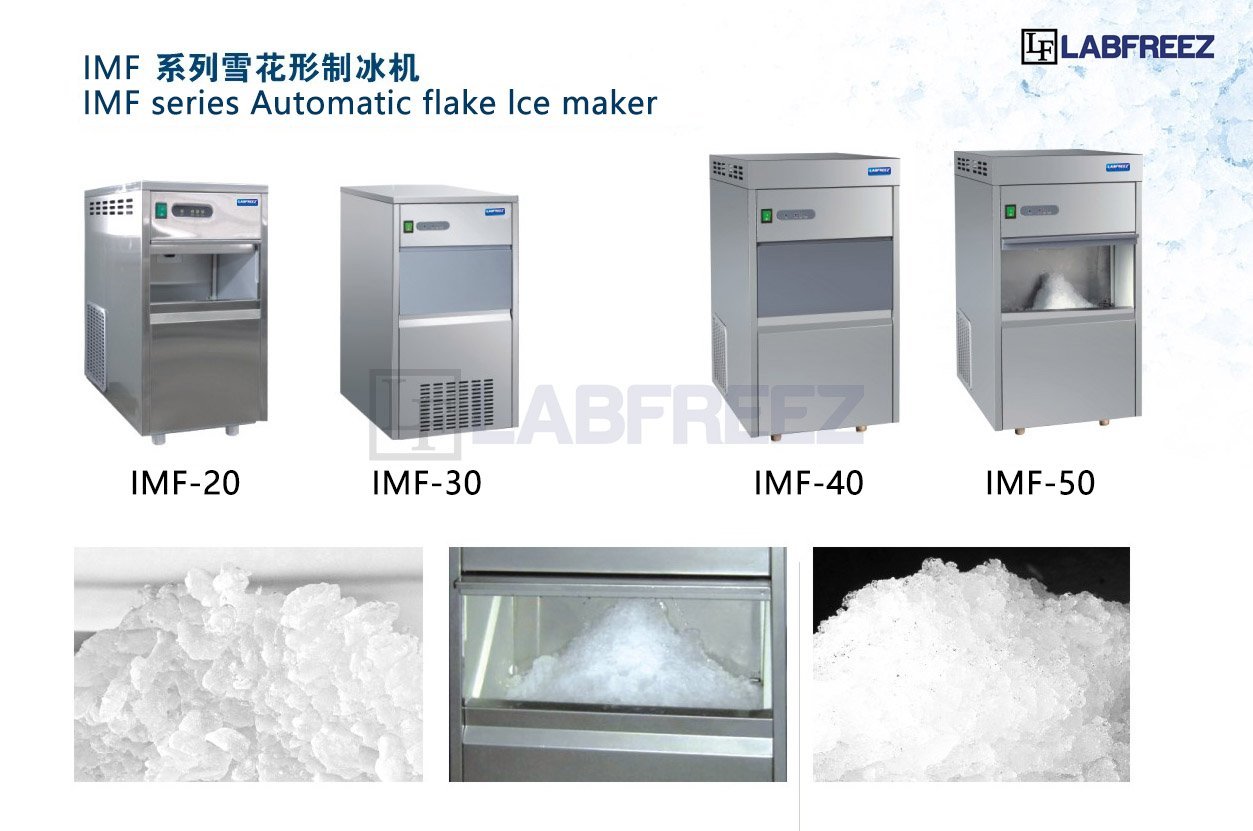
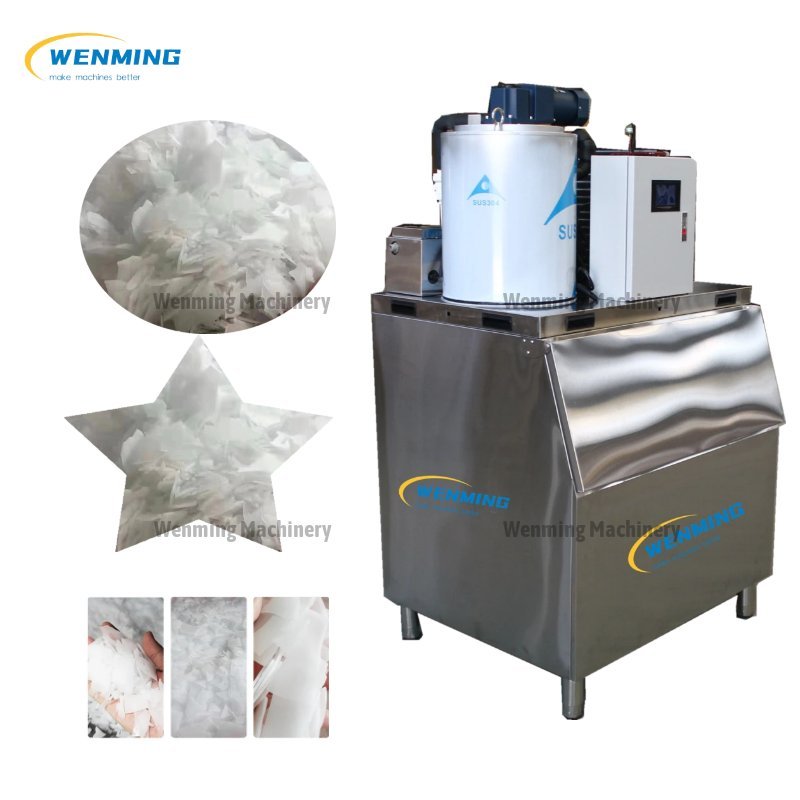
A flake ice machine is a specialized commercial appliance designed to produce small, soft, jagged shards of ice that are ideal for rapid cooling and moldable applications. Unlike standard cubes or hollow bullets, flake ice provides a high surface-area-to-volume ratio, making it the gold standard for food displays, medical cooling, and high-end cocktail preparation. These machines generally operate by freezing a thin layer of water onto a refrigerated cylinder, which is then scraped off by a heavy-duty auger to create the signature consistency.
Key Takeaways
- Flake ice is perfect for raw food displays because it keeps items cold without bruising delicate produce or seafood.
- The machines require consistent water filtration to prevent mineral buildup on the internal freezing cylinder.
- Energy usage varies, but modern units often meet ENERGY STAR commercial ice machine standards for efficiency.
- Regular descaling is non-negotiable to maintain the mechanical integrity of the auger and evaporator.
- Always match the daily production capacity to your peak demand to avoid unnecessary electricity consumption.
What Is a Flake Ice Machine?
At its core, a flake ice machine is an industrial-grade refrigeration system that prioritizes output speed and texture over solid density. While a residential freezer produces large, clear blocks, this equipment uses a vertical or horizontal evaporator assembly. Water is sprayed onto the freezing surface, and as the ice forms, a stainless-steel blade continuously scrapes the surface. This mechanical process creates “soft” ice that’s easy to chew and highly effective at wrapping around containers or food products to ensure even temperature distribution.
Common Uses for Flake Ice
The versatility of flake ice makes it a staple in several high-intensity industries. The jagged, semi-frozen shards provide a superior heat transfer rate compared to solid cubes.
| Industry | Primary Use Case | Benefit |
|---|---|---|
| Seafood/Retail | Bedding for display | Prevents bruising of fish |
| Healthcare | Patient hydration/Therapy | Easy to chew and moldable |
| Hospitality | Blended drinks/Cocktails | Rapid cooling without dilution |
| Food Processing | Temperature control | Prevents overheating during mixing |
Maintenance and Cleaning Steps
Because these machines move water constantly, they’re prone to scale accumulation. Neglecting maintenance will lead to premature motor failure.
- Shut down the unit and drain the water reservoir completely.
- Apply descaling solution specifically rated for food-grade ice equipment to the water trough.
- Run the cleaning cycle according to the manufacturer’s manual to circulate the solution through the evaporator.
- Rinse thoroughly with fresh water to ensure no chemical residue remains in the ice stream.
- Inspect the auger for signs of wear or metal shavings, which indicate a need for professional service.
Factors Influencing Equipment Price
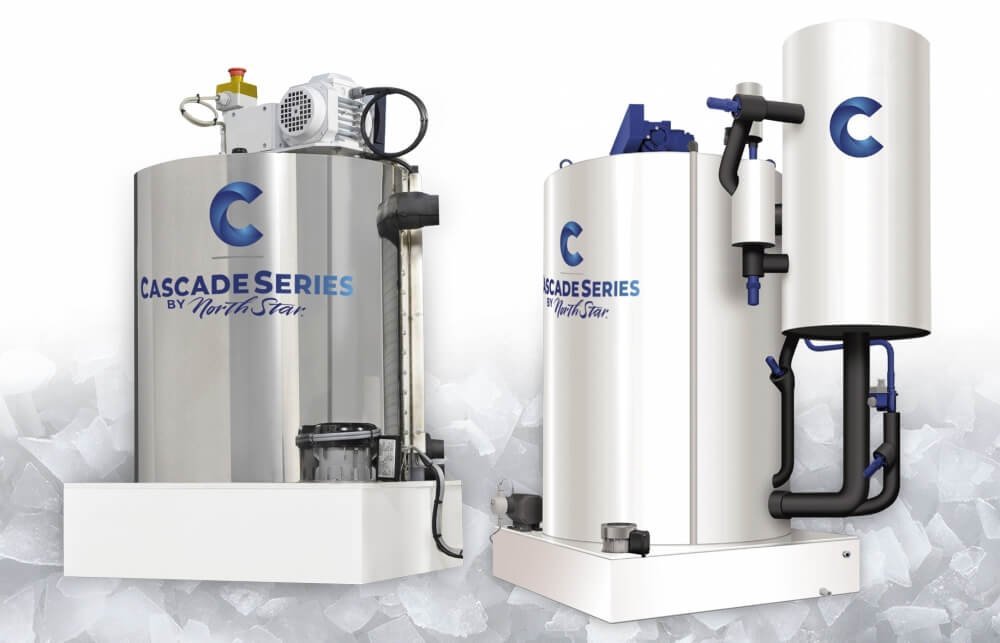
Investing in a commercial unit requires understanding the total cost of ownership. Prices typically range from $2,500 to $12,000 depending on output capacity and brand reputation.
| Cost Variable | Low-End Range | High-End Range |
|---|---|---|
| Daily Production (lbs) | 200 lbs | 1,500+ lbs |
| Installation Complexity | $500 | $2,500 |
| Annual Service/Parts | $200 | $800 |
Warning: Always hire a certified technician for the initial installation. Improper plumbing or electrical connections can void the manufacturer’s warranty and lead to water leaks that damage floors.
How Do These Machines Differ?
Unlike cube machines, which use a grid and water pumps to form distinct shapes, flake machines are continuous-run devices. They don’t have a harvest cycle where the machine stops to dump ice. Instead, they produce ice steadily as long as the bin isn’t full. This makes them more efficient for high-volume environments where ice is needed throughout the day rather than all at once.
Selecting the Right Capacity
Choosing the correct size is critical for operational efficiency. If you purchase a machine that produces too little, you’ll run out during peak hours. If you buy one too large, you’re paying for electricity to cool ice that simply melts away. Calculate your usage by determining how many pounds of ice you need for your largest display or your busiest shift, then add a 20% buffer to account for meltage and high-traffic days.
Top Industry Manufacturers
When shopping for reliable equipment, stick to brands with established service networks and readily available replacement parts.
- Manitowoc Ice: Known for high-durability evaporators and user-friendly control boards.
- Hoshizaki: Highly regarded for their unique stainless-steel auger design and longevity.
- Scotsman: Offers a wide range of flake and “nugget” ice machines for specialized needs.
- Follett: A leader in the healthcare and food service sectors for specialized ice handling.
Pro Tip: Place your ice machine in a well-ventilated area away from heat-producing appliances like ovens or dishwashers. High ambient temperatures force the compressor to work harder, which significantly reduces the amount of ice produced per kilowatt-hour of electricity consumed.
Frequently Asked Questions
How often should I clean the machine?
You should perform a deep cleaning and descaling at least every six months. If your local water supply has high mineral content or “hard water,” you may need to clean the evaporator and water system every three months to prevent heavy scale buildup that can bind the auger and damage the internal motor.
Can flake ice replace cube ice?
Flake ice isn’t a direct substitute for cube ice in drinks. Because it has a much higher surface area, it melts significantly faster than cubes. While it’s perfect for blended cocktails or smoothies, it will dilute standard drinks too quickly if used in a high-ball glass. Use it for cooling and food preservation rather than beverage service.
Why is my machine making noise?
Unusual grinding or squealing sounds often indicate that the auger bearings are wearing out or that scale has built up inside the freezing cylinder. Turn off the machine immediately to prevent the motor from burning out. Check the auger for debris or mineral deposits, and call a professional technician if the noise persists after a thorough cleaning cycle.
Do I need a water filter?
Yes, a high-quality water filtration system is essential for any flake ice machine. Filtration removes sediment, chlorine, and minerals that can cause scale. Using a filter will significantly extend the life of your evaporator and auger, while also ensuring that the ice produced is odorless and tasteless, which is vital for food safety and flavor profiles.
Now that you understand the specific mechanics and maintenance requirements of these units, your next step is to conduct an audit of your daily ice consumption. Measure your current needs by tracking how many pounds you use during your busiest eight-hour window, then contact a local commercial kitchen supplier to request a quote for a model that matches that specific capacity.