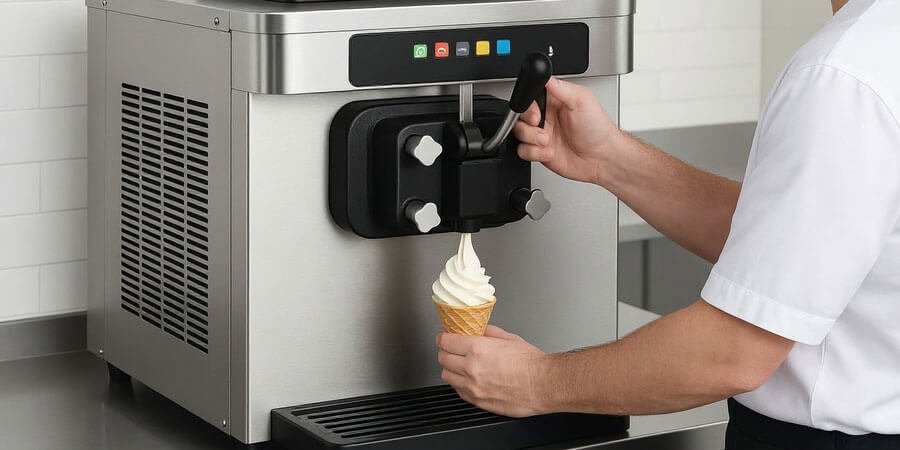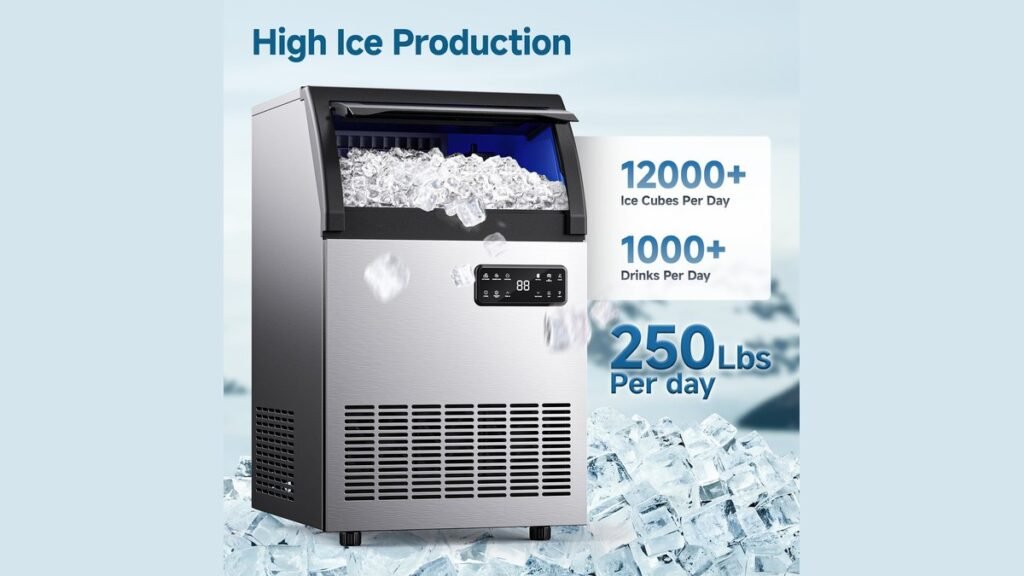
You can find a reliable place to shop where you can buy an ice maker machine by visiting major home appliance retailers, authorized kitchen supply stores, or the official websites of manufacturers like GE Appliances or Scotsman. These options ensure you receive a valid warranty and access to professional customer support.
Selecting the right machine depends on your installation needs and daily ice requirements. The most common mistake people make is ignoring the drainage requirements for high-capacity units. Many built-in models need a dedicated floor drain or a pump kit, which can add significant labor and cost to your project if your kitchen layout doesn’t already include one.
Selecting and Installing Your Unit
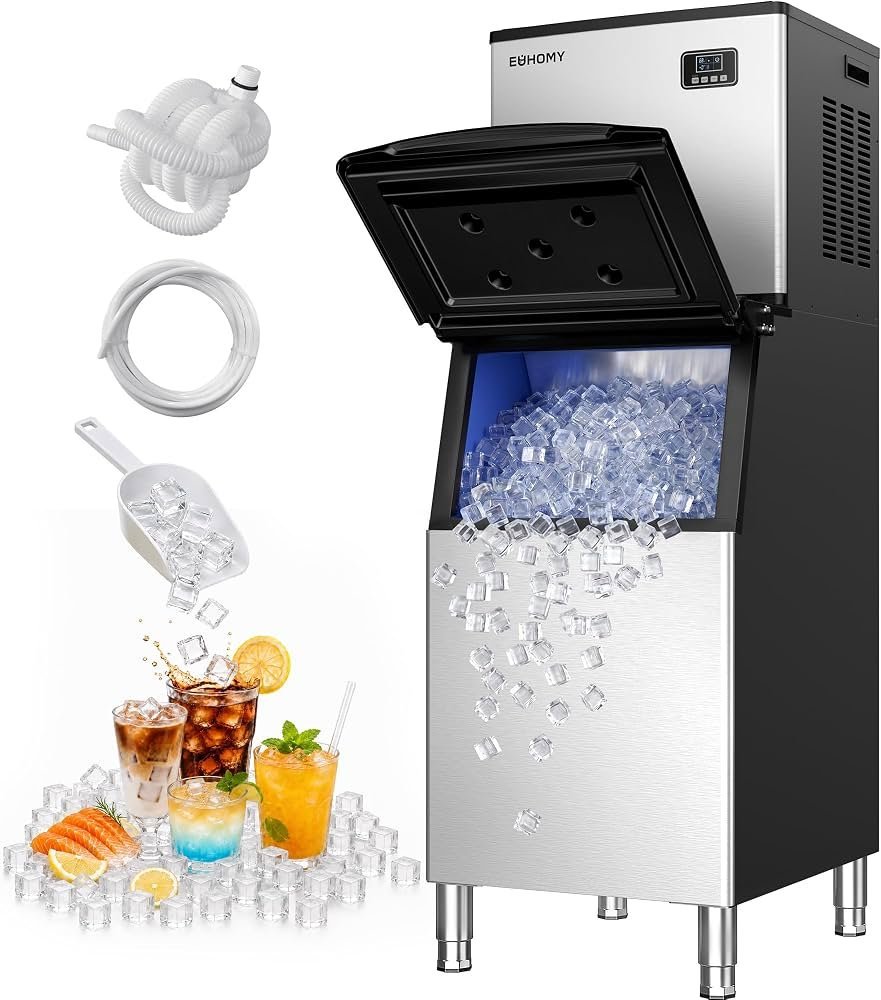
- Measure your available space precisely, including the height, width, and depth, while allowing at least two inches of clearance on all sides for proper airflow.
- Verify your water access; if you’re choosing a plumbed model, ensure a cold-water supply line is within reach of the unit’s connection point.
- Check the power requirements, as most countertop models run on standard outlets, while large commercial-grade units may require a dedicated circuit that should only be installed by a professional technician.
- Confirm if your chosen model includes a drain pump or if you must purchase one separately to lift water to a nearby sink or floor drain.
- Hire a licensed plumber if your installation involves cutting into existing water lines or installing a new drainage system. * Tip: Always register your product with the manufacturer immediately after installation to protect your warranty rights.
- Clean the interior storage bin and ice tray with a mild, food-safe sanitizing solution before you produce your first batch of ice. * Tip: Don’t use abrasive scrubbers on the plastic liner, as these can create microscopic scratches where bacteria might grow.
Timeframes for Purchase and Setup
| Situation | Time to Acquire | What changes it | What to watch for |
|---|---|---|---|
| In-stock retail | 1–3 days | Local store inventory | Open-box condition |
| Direct shipping | 5–10 days | Warehouse location | Delivery signature |
| Custom order | 3–6 weeks | Manufacturer backlog | Shipping delays |
If your delivery is taking significantly longer than the estimated window, contact the retailer’s support team with your order number to request a status update on your tracking information.
Verifying Machine Performance
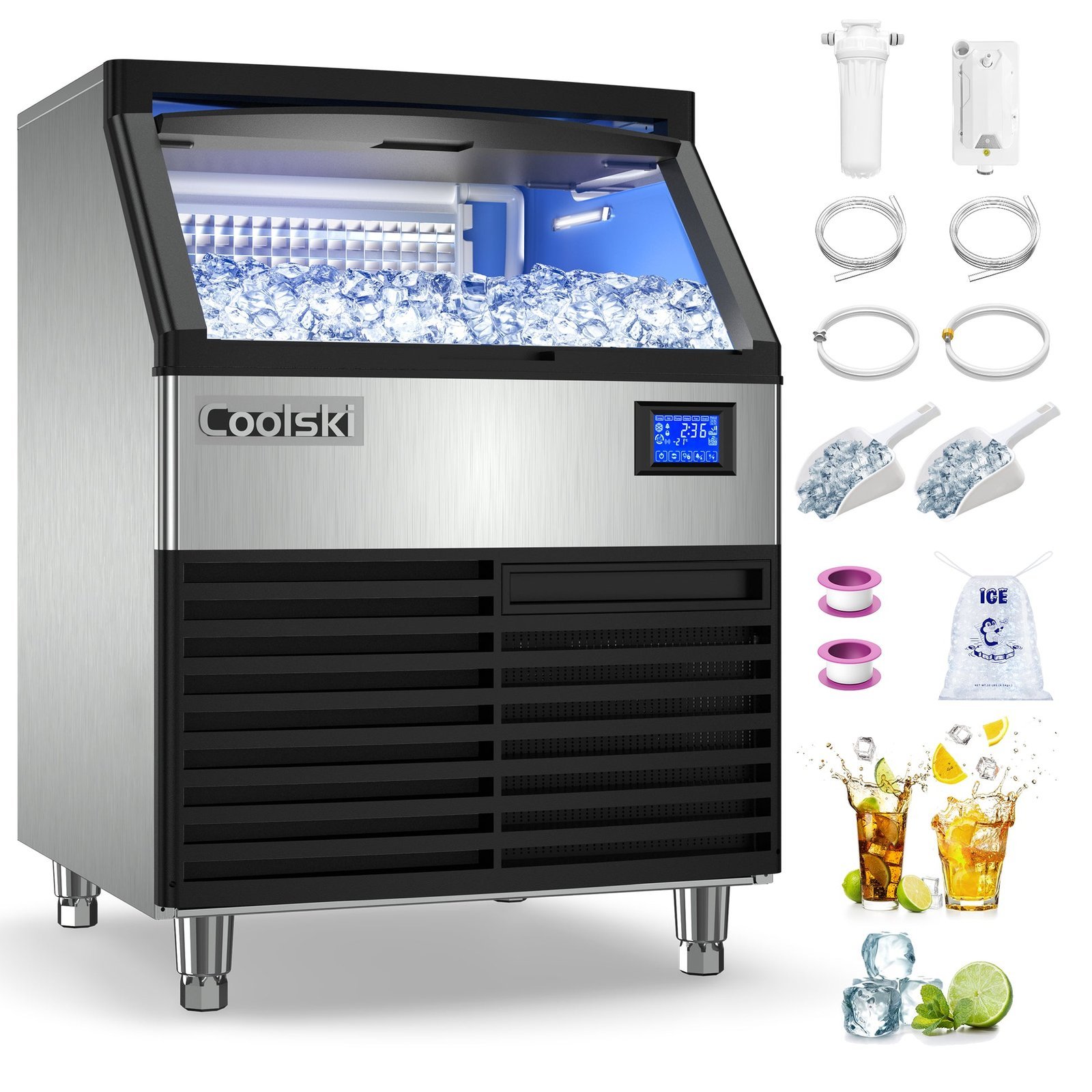
You know the unit is working correctly when it completes a full cycle—filling the tray, freezing the water, and releasing the cubes—without leaking from the supply connections. The ENERGY STAR requirements for commercial ice machines set specific standards for energy and water efficiency that you should verify against your model’s manual. Listen for a steady, quiet hum during the freezing phase and a soft mechanical click when the ice harvest cycle begins. If the machine produces slush instead of solid cubes, the unit may have a mechanical issue such as a refrigerant leak or a failing compressor that requires professional service.
Common Buying Mistakes
- Choosing the wrong ice type: Some people buy nugget ice machines for drinks when they actually prefer large, clear cubes for slow-melting cocktails. Check the specific ice shape produced by the model before you finalize your purchase to avoid disappointment.
- Ignoring water quality: Failing to install a water filter when your home has “hard” water will cause mineral scale to build up inside the freezing mechanism within months. Always budget for a compatible inline water filter to extend the life of your pump and tray.
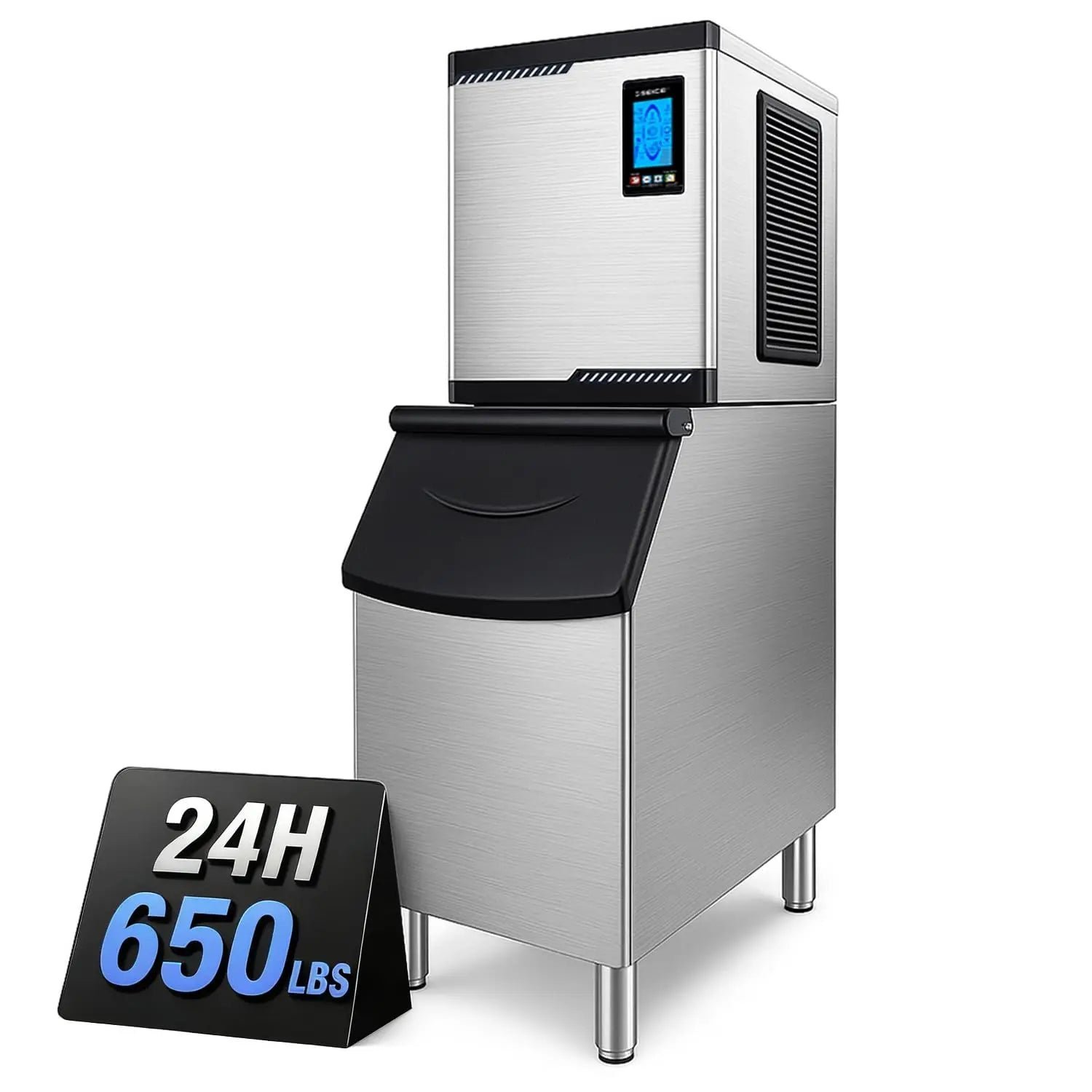
- Overestimating your needs: Buying a high-output commercial machine for a small home kitchen leads to excessive noise and high energy bills. Match the daily production capacity of the unit to your household’s actual consumption to ensure efficiency.
Frequently asked questions
Can I install an ice maker myself?
Yes, you can install a portable countertop model yourself by simply plugging it into a standard outlet. However, if you’re installing a built-in or plumbed model, you must ensure the water and drain lines are connected according to local building codes to prevent leaks and water damage.
How much does an ice maker cost?
Portable countertop units are inexpensive compared to built-in or under-counter models. These prices vary based on the ice production capacity, the material finish, and whether the unit features specialized ice types like nugget or gourmet cubes.
Is it safe to use ice from a new machine immediately?
Yes, it’s safe to use the ice once you have run two full cleaning cycles with fresh water. Discard the ice produced during these first two cycles to ensure any manufacturing dust or residue from the internal pipes is completely rinsed out of the system before consumption.
What happens if the machine stops making ice?
The most common cause is a clogged water filter or a blocked intake line that prevents water from reaching the tray. Check your user manual for the “troubleshooting” section to see if a simple filter replacement or a reset of the control board resolves the issue before calling a technician.
How often should I clean my ice maker?
You should deep-clean your machine based on your frequency of use to prevent mineral buildup and mold growth; consult your owner’s manual for the recommended schedule. If your home has hard water with high mineral content, perform this cleaning as directed by the manufacturer to maintain the efficiency of the freezing plates and internal water pumps.
Do all ice makers need a drain?
No, portable countertop models are designed to recycle melted ice back into the reservoir, so they don’t require a drain. Only built-in or high-volume commercial machines require a permanent drain connection to remove excess water and prevent the storage bin from overflowing.
Conclusion
Once you’ve picked the perfect model, make sure you’ve got a clear, level spot ready for it in your kitchen. Checking your water line setup today will save you a headache later on. You’ll be enjoying fresh, cold drinks in no time once everything is plugged in and ready to go.