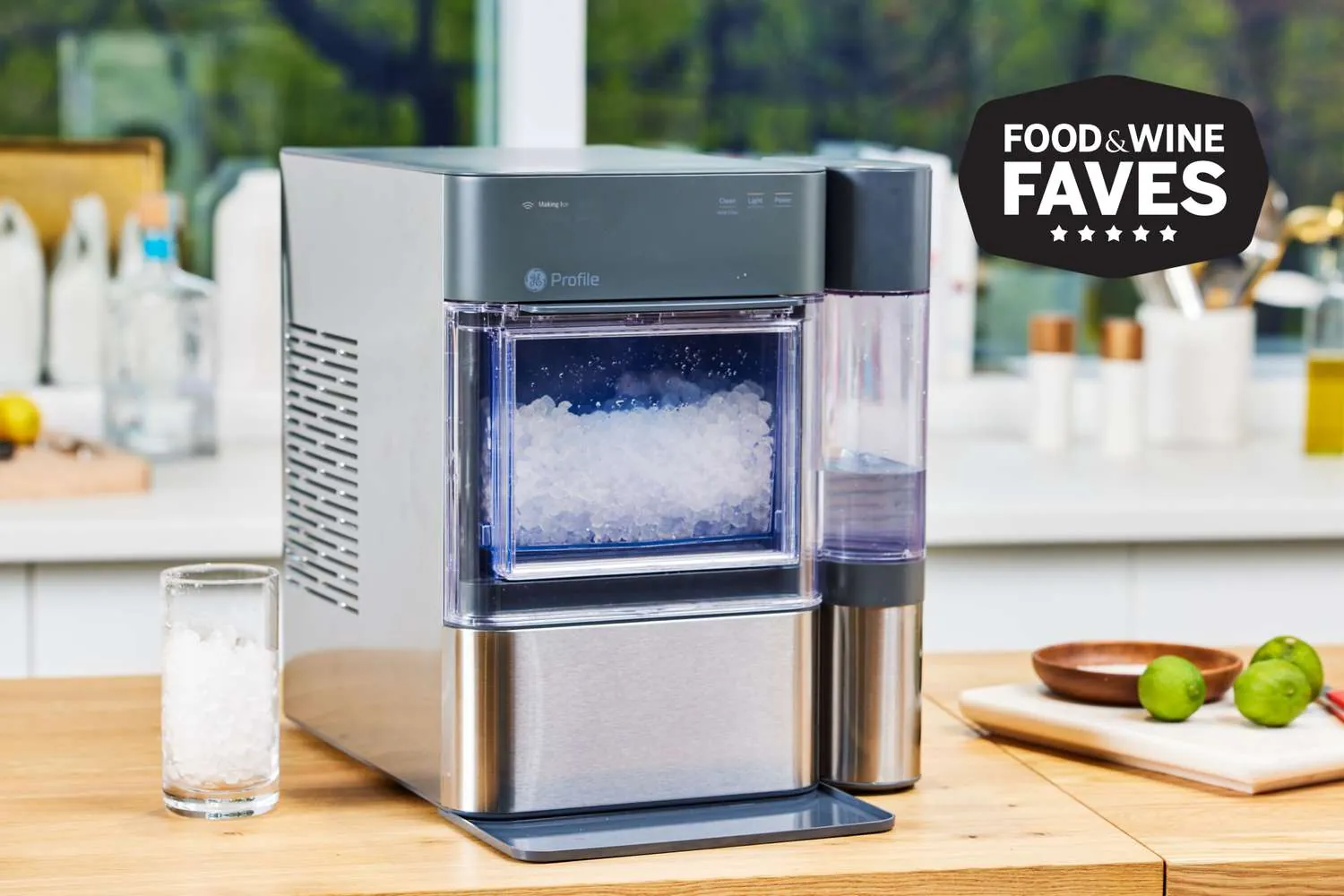
The best countertop ice machine is typically a high-output nugget ice maker that balances compact design with rapid production cycles. If you’re looking for the price of these units, expect to pay between $250 and $650 for a reliable model, though premium versions with advanced connectivity or specialized ice textures can range from $400 to $800 depending on the brand and feature set. Choosing the right machine requires understanding your specific ice preferences and the physical space available on your kitchen counter.
Key Takeaways
- Prioritize nugget ice machines if you prefer the soft, chewable ice found in popular fast-food restaurants.
- Measure your vertical clearance to ensure the machine fits under standard cabinets.
- Check the daily output capacity to ensure it meets your household’s peak consumption needs.
- Choose models with self-cleaning cycles to minimize mineral buildup and maintain ice quality.
- Look for units with side-tank designs for easier refilling without moving the machine.
What is the best countertop ice machine?
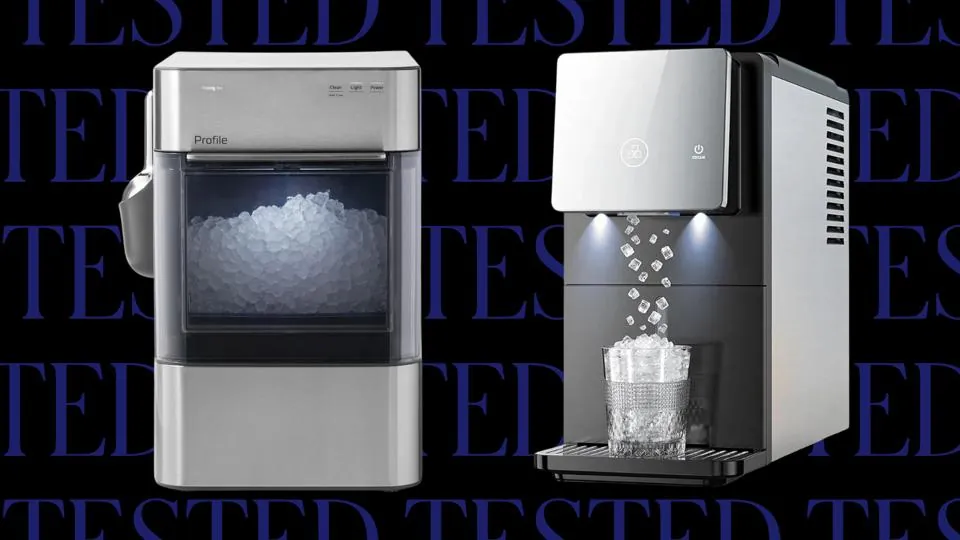
Selecting the ideal appliance depends on your daily habits. Most high-performing units fall into two categories: bullet ice makers and nugget ice makers. Bullet ice makers are generally more affordable and produce clear, cylindrical cubes, while nugget ice makers produce the popular, soft “sonic” style ice. Brands like GE Profile, Frigidaire, and Opal are currently the industry standards for home users.
| Feature | Nugget Ice Maker | Bullet Ice Maker |
|---|---|---|
| Ice Texture | Soft, chewable | Hard, solid |
| Production Speed | Moderate | Fast |
| Price Point | $400 – $650 | $150 – $300 |
| Best For | Smoothies, cocktails | Cooling large drinks |
Daily Ice Production Capacity
Most countertop units produce between 20 and 30 pounds of ice in a 24-hour period. However, the internal bin storage is usually much smaller, holding only 2 to 3 pounds at once. This means the machine is designed to cycle on and off throughout the day as the bin empties. To ensure food safety, always use potable water and follow the FDA food safety guidelines regarding water quality and storage containers to prevent bacterial contamination.
Dimensions and Countertop Space
Before purchasing, verify the footprint of the device. Many machines are deeper than a standard microwave, which can lead to issues if you have limited counter depth. Ensure there’s at least 3 to 5 inches of clearance on all sides for proper ventilation. Without adequate airflow, the compressor will overheat, significantly reducing the lifespan of the appliance.
Maintenance and Cleaning Cycles
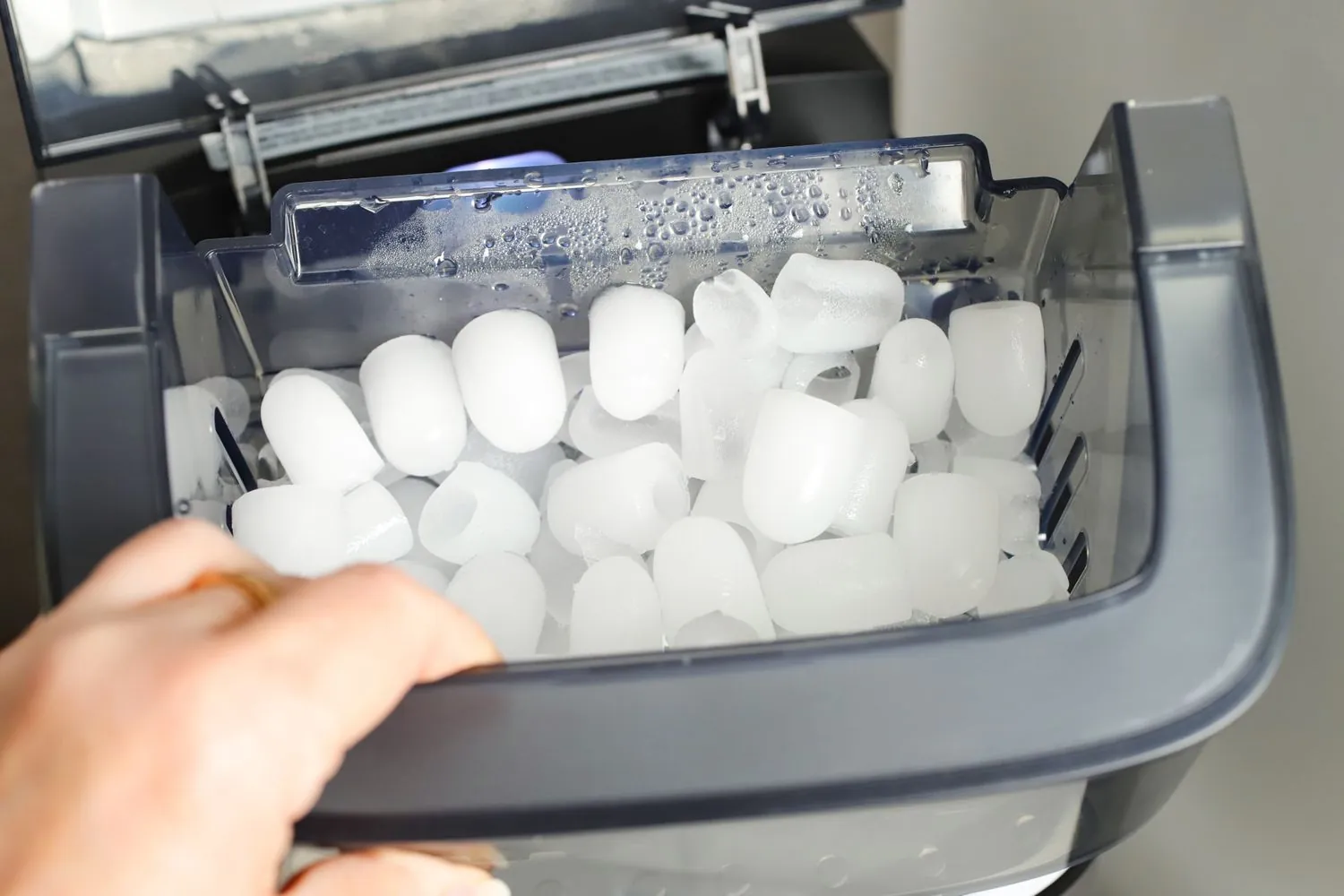
Warning: Never use harsh chemicals like bleach or abrasive cleaners inside the ice reservoir, as these can damage the internal components and leave harmful residues.
Most modern machines include an automated cleaning cycle. You should run this once every two to four weeks depending on your local water hardness. If you live in an area with hard water, consider using a filter or distilled water to prevent scale buildup on the evaporator pins.
| Maintenance Task | Frequency | Action |
|---|---|---|
| Exterior Wipe Down | Weekly | Use damp microfiber cloth |
| Internal Cleaning Cycle | Monthly | Use vinegar or citric acid |
| Water Reservoir Rinse | Bi-Weekly | Remove and wash with soap |
| Filter Replacement | Quarterly | Replace internal water filter |
Which ice texture do you prefer?
The “best” machine is subjective based on your drink preferences. If you enjoy chewing on your ice, a nugget ice maker is the only logical choice. These machines work by compacting thin ice flakes into small, soft nuggets. If you prefer ice that melts slowly and keeps your soda cold without diluting it too quickly, a standard bullet ice maker is superior.
Energy Efficiency Considerations
Countertop ice makers aren’t typically Energy Star rated because they’re considered small appliances rather than primary kitchen units. However, you can save energy by turning the unit off when you’re away for extended periods. Some high-end models feature an auto-off sensor that detects when the bin is full, preventing the unit from running unnecessarily.
Troubleshooting Common Issues
Pro Tip: If your machine stops producing ice, check the water level sensor first; often, mineral deposits can block the sensor, causing the machine to think the tank is empty even when it’s full.
If the machine becomes noisy, ensure it’s sitting on a perfectly level surface. Vibration against the countertop is the most common cause of excess operating noise. If the ice cubes are coming out slushy, the ambient room temperature may be too high, or the unit may be struggling to pull heat away from the condenser coils.
Related guides
- How Countertop Ice Makers Work
- Silonn Ice Maker Countertop: My Honest Take
- How to Open Ice Machine: Step-by-Step Access Guide
Frequently Asked Questions
Is it safe to leave the machine on 24/7?
Yes, most countertop ice makers are designed to operate continuously. They feature internal sensors that pause production once the storage bin is full and resume once you remove ice. However, if you plan to be away for more than a few days, it’s best practice to unplug the unit and empty the water reservoir to prevent standing water issues.
How long does a cycle take?
A typical production cycle takes between 10 and 20 minutes depending on the room temperature and water temperature. The first batch of ice after turning the machine on usually takes slightly longer because the internal components need to reach the freezing point. Subsequent batches will be faster as the system remains chilled throughout the process.
Do I need to connect a water line?
Most countertop models are “pour-through,” meaning you manually fill a reservoir. This is a major advantage as it allows you to place the machine anywhere with a power outlet. Some premium models offer an optional side tank or a direct water line connection, but these are rare for true countertop units and are usually reserved for under-counter installations.
Can I use tap water?
You can use tap water, but the quality of your ice will depend on your local water supply. Hard water contains minerals that will build up quickly inside the machine, leading to clogs and poor performance. Using filtered water or a dedicated water softener is highly recommended to extend the life of your machine and ensure your ice tastes fresh and clean.
Why is my ice melting so fast?
Countertop ice machines aren’t freezers; they’re ice makers. They don’t have a cooling element to keep the ice frozen once it’s produced. The bin is essentially an insulated bucket. If you don’t use the ice within a few hours, it will naturally melt and drain back into the water reservoir to be recycled into new ice.
Conclusion
Investing in a quality countertop ice machine transforms your daily beverage routine by providing a constant supply of fresh, clean ice. Start by assessing your kitchen’s available counter space and your specific ice preferences to narrow down the options. Once you have identified a model that fits your budget, prioritize regular maintenance to ensure your investment lasts for many years to come.