You can find high-quality countertop ice makers at major home goods retailers, big-box department stores, and specialized kitchen appliance websites. Depending on the brand, capacity, and ice type, you should expect to pay between $90 and $450 for a reliable unit. These appliances provide a steady stream of fresh ice without needing a professional plumbing installation, making them a popular choice for home bars, offices, and small kitchens.
Key Takeaways
- Check the daily ice production rate to ensure it meets your household’s specific consumption needs.
- Prioritize models with a self-cleaning function to simplify long-term maintenance and improve water hygiene.
- Verify the dimensions of the machine against your available counter space and overhead cabinet clearance.
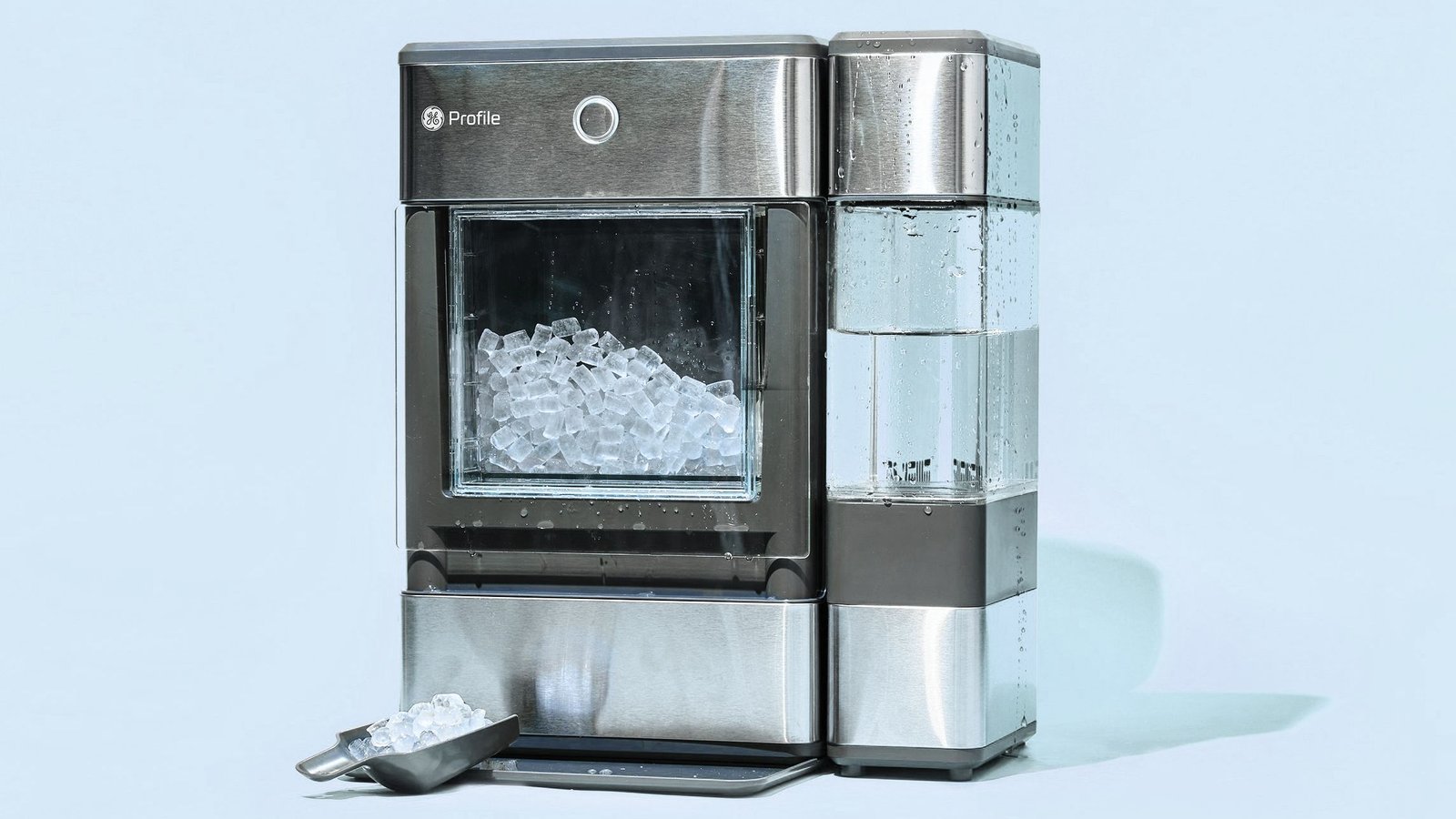
- Confirm the ice shape (bullet, nugget, or clear cube) aligns with your preferred drink style.
- Ensure the unit is placed on a level surface away from direct heat sources for peak efficiency.
Where Can I Buy A Countertop Ice Maker?
You have several reliable options when shopping for these machines. Large retailers like Target, Walmart, and Home Depot carry a variety of entry-level and mid-range models in their appliance sections. For more advanced features or specialized ice types—such as “nugget” or “chewable” ice—you’ll find a wider selection through dedicated kitchen appliance retailers or directly from manufacturer websites.
| Retailer Category | Best For | Price Range |
|---|---|---|
| Big-Box Stores | Immediate pickup and value | $90 – $250 |
| Kitchen Specialty Sites | Premium features and nugget ice | $200 – $450 |
| Manufacturer Sites | Warranty support and exclusive colors | $150 – $400 |
Which Features Matter Most?
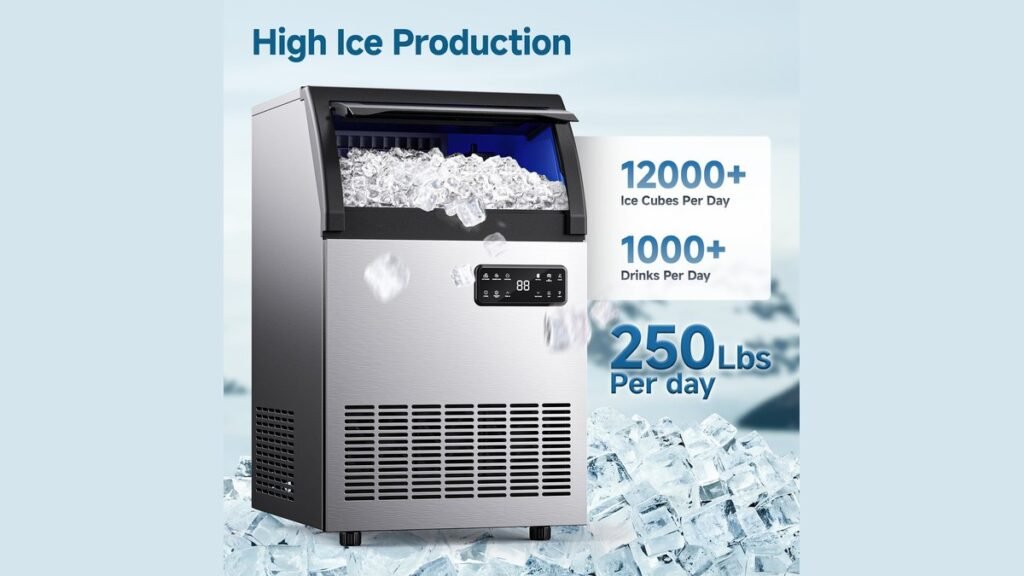
When evaluating different models, focus on the daily production capacity, which usually ranges from 20 to 30 pounds of ice per day. A larger water reservoir reduces how often you must manually refill the machine, which is a major convenience factor. Also, look for an automatic overflow sensor that prevents the unit from making ice once the collection basket is full, as this saves energy and prevents messy spills.
Understanding Ice Maker Sizes
Countertop machines are compact but can still be bulky. Measure your counter depth and ensure you have at least six inches of clearance on all sides to allow for proper heat ventilation. This space is critical because the compressor generates heat that must escape to maintain the freezing cycle. If you place the unit too close to a wall, the cooling system will struggle, leading to increased power consumption and potentially premature mechanical failure.
How To Maintain Your Machine
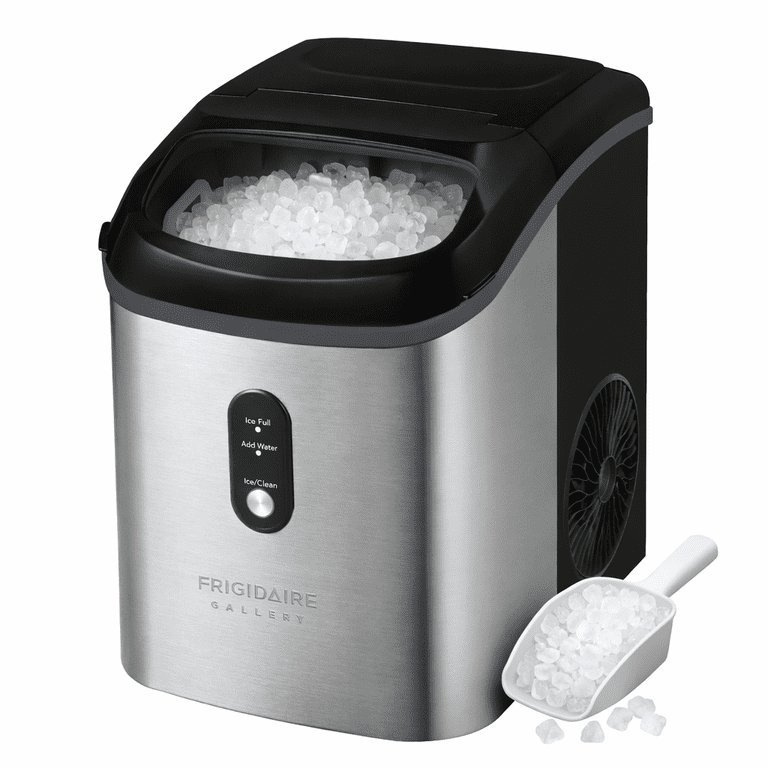
Regular cleaning is essential to prevent mineral buildup and bacterial growth. Most modern units include a self-cleaning cycle that you should run at least once every two weeks. For deep cleaning, use a mixture of water and white vinegar to descale the internal components. Always consult the Energy Star appliance maintenance guidelines to ensure you’re following recommended steps for keeping your cooling equipment in optimal working condition.
Warning: Always unplug the device before performing any maintenance or cleaning to prevent electrical shock.
Comparing Ice Types
Not all ice is created equal, and your machine will determine the texture and cooling speed of your drinks.
| Ice Type | Best Use Case | Texture |
|---|---|---|
| Bullet Ice | Standard sodas and cocktails | Hollow, soft, and quick to melt |
| Nugget Ice | Smoothies and sodas | Crunchy, porous, and easy to chew |
| Clear Cubes | High-end whiskey and spirits | Dense, slow-melting, and elegant |
Installation And Setup Tips
Setting up your machine is straightforward, but it requires patience. Once you unbox the unit, let it sit upright for at least 24 hours before plugging it in. This allows the refrigerant oils to settle back into the compressor after the unit has been tilted during shipping. Failure to wait can result in the cooling system failing to start or making excessive noise during operation.
Pro Tip: Use distilled water instead of tap water to significantly reduce the frequency of descaling cycles and keep your ice tasting fresh.
Troubleshooting Common Issues
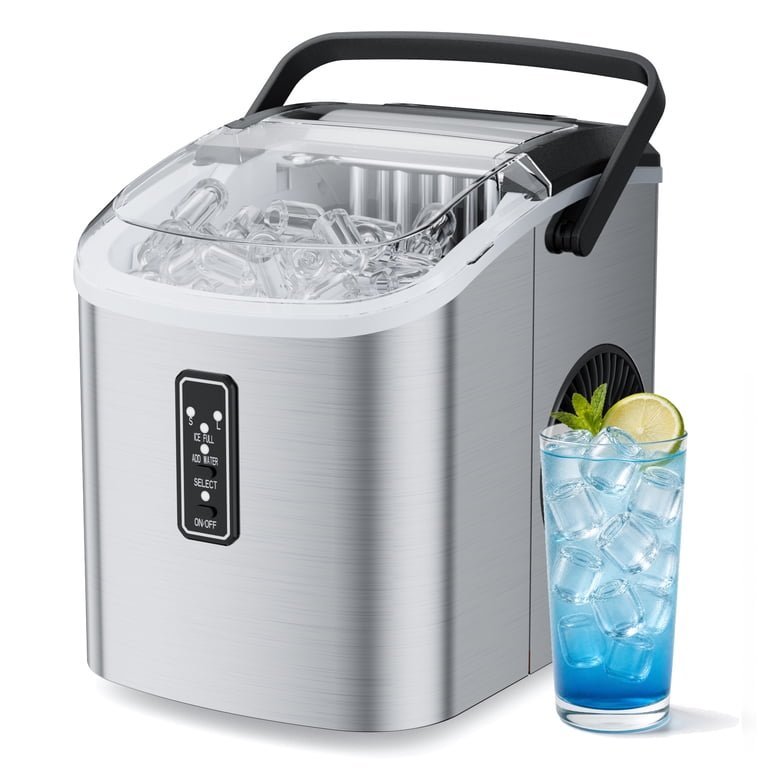
If your machine stops producing ice, check the water reservoir first. Sometimes a sensor error occurs if the water level is too low or if mineral deposits have blocked the intake filter. If the unit is running but the ice is watery or thin, ensure the ambient room temperature isn’t too high. These machines perform best in rooms between 50 and 90 degrees Fahrenheit.
Frequently Asked Questions
Do I need a water line?
No, countertop ice makers are designed as portable, standalone units. They feature a manual-fill water reservoir, meaning you simply pour water into the tank until it reaches the maximum fill line. This makes them ideal for renters or people who want ice in their home office, bedroom, or basement without needing to hire a plumber for a permanent installation.
How loud are these machines?
Most countertop units produce a hum similar to a small refrigerator or a desktop computer fan. While they aren’t silent, the noise is generally low enough to ignore in a kitchen setting. If you’re sensitive to noise, look for models specifically marketed as “quiet operation” or those with insulated casing, though these may come at a slightly higher price point.
How long until I get ice?
Most machines begin producing the first batch of ice within 10 to 15 minutes of being turned on. However, the first few cycles usually result in smaller or thinner ice as the system cools down to the proper temperature. You can expect a consistent, full-sized batch of ice to be ready within an hour of the initial startup.
Can I leave it on 24/7?
You can leave the machine plugged in, but it’s best to turn it off when you don’t need ice for extended periods. Leaving it on causes the machine to cycle frequently to keep the basket cold, which consumes unnecessary electricity. If you plan to be away for more than a day, drain the reservoir and wipe the interior dry to prevent stagnant water.
What is the best water to use?
Distilled or filtered water is highly recommended. Tap water often contains minerals like calcium and magnesium that create scale buildup inside the delicate internal tubing and the ice-making tray. Using high-quality, filtered water not only improves the taste of your ice but also extends the lifespan of the machine by reducing the need for harsh chemical cleaning cycles.
Start by measuring your available counter space today to ensure you choose a model that fits perfectly in your kitchen. Once you have your dimensions, visit your preferred appliance retailer to compare the specific ice types and daily production rates mentioned above. Selecting a unit with a self-cleaning feature will provide the best long-term value for your home.