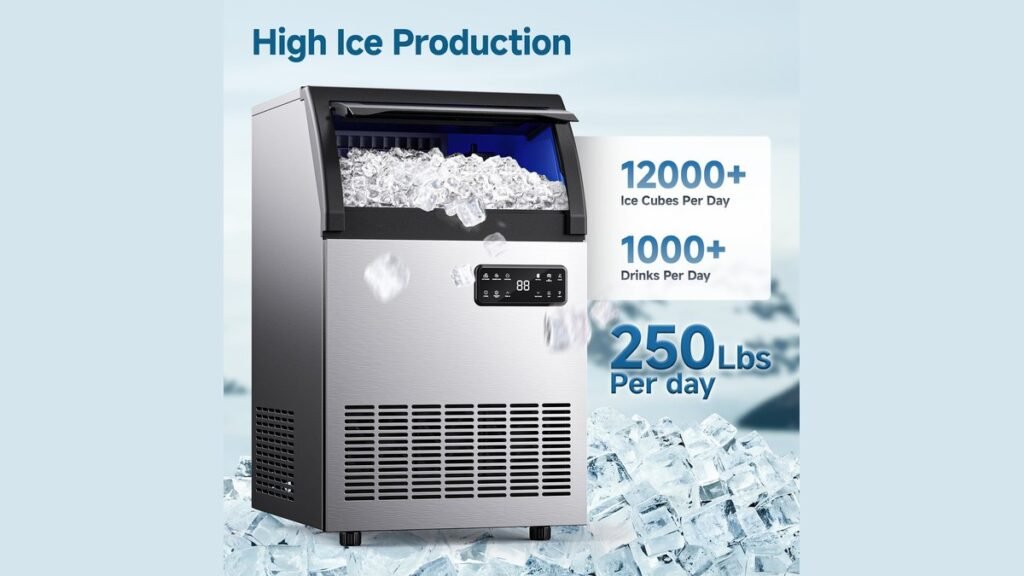
You can purchase an ice machine through major home appliance retailers, specialized restaurant supply stores, or direct-to-consumer online marketplaces. If you’re curious about the investment, expect to pay between $150 and $600 for a portable countertop model, while high-capacity under-counter or freestanding units typically range from $800 to $3,500. Choosing the right device depends heavily on your daily consumption needs, available kitchen space, and your preference for specific ice shapes like nuggets, cubes, or clear blocks.
Key Takeaways
- Determine your daily ice consumption before browsing to avoid under-sizing your machine.
- Check your available space for both physical footprint and required ventilation clearance.
- Decide between portable units requiring manual refills or plumbed units for convenience.
- Prioritize models with internal self-cleaning cycles to minimize long-term maintenance labor.
- Verify electrical requirements, as some high-output machines require dedicated power circuits.
Where Can I Buy A Ice Machine?
To find a reliable unit, start your search at national home improvement chains such as The Home Depot or Lowe’s, which frequently stock entry-level portable machines. For commercial-grade equipment or high-end residential under-counter models, look toward specialized kitchen supply retailers like WebstaurantStore or kitchen design showrooms. Online marketplaces like Amazon or Best Buy provide the broadest selection of consumer-focused brands, often featuring user reviews and detailed technical specifications that help clarify your decision.
Comparing Machine Types
| Type | Daily Output (lbs) | Installation | Best For |
|---|---|---|---|
| Countertop | 20–30 | Portable | Small kitchens/offices |
| Under-Counter | 50–80 | Plumbed | Home bars/entertainment |
| Freestanding | 100–300 | Plumbed | Large households/events |
Determining Your Daily Needs
Before finalizing a purchase, calculate how much ice your household actually uses. A small family might only require 10 to 15 pounds of ice per day, which is easily handled by a standard countertop model. However, if you frequently host parties or fill large coolers, you need a high-capacity machine. Energy efficiency ratings are critical here, as Energy Star certified ice machines use significantly less electricity and water than non-certified equivalents, saving you money over the life of the appliance.
Essential Installation Considerations
Warning: Always ensure your chosen location has adequate airflow, as ice machines generate significant heat during the freezing cycle and require several inches of clearance on all sides to prevent premature compressor failure. If you select a plumbed unit, you must have access to a dedicated water line and a floor drain. Portable units are simpler, but they require you to manually pour water into the reservoir and periodically empty the bin to prevent melting.
Maintenance and Cleaning Tips
Pro Tip: Establish a monthly cleaning schedule using a manufacturer-approved descaling solution to prevent mineral buildup, which is the leading cause of poor ice quality and mechanical failure in hard water areas. If you neglect this, your machine may begin producing cloudy, small, or misshapen ice. Most modern machines include a self-cleaning cycle, but manual scrubbing of the internal tray is still necessary to maintain sanitary conditions.
Top Brands to Consider
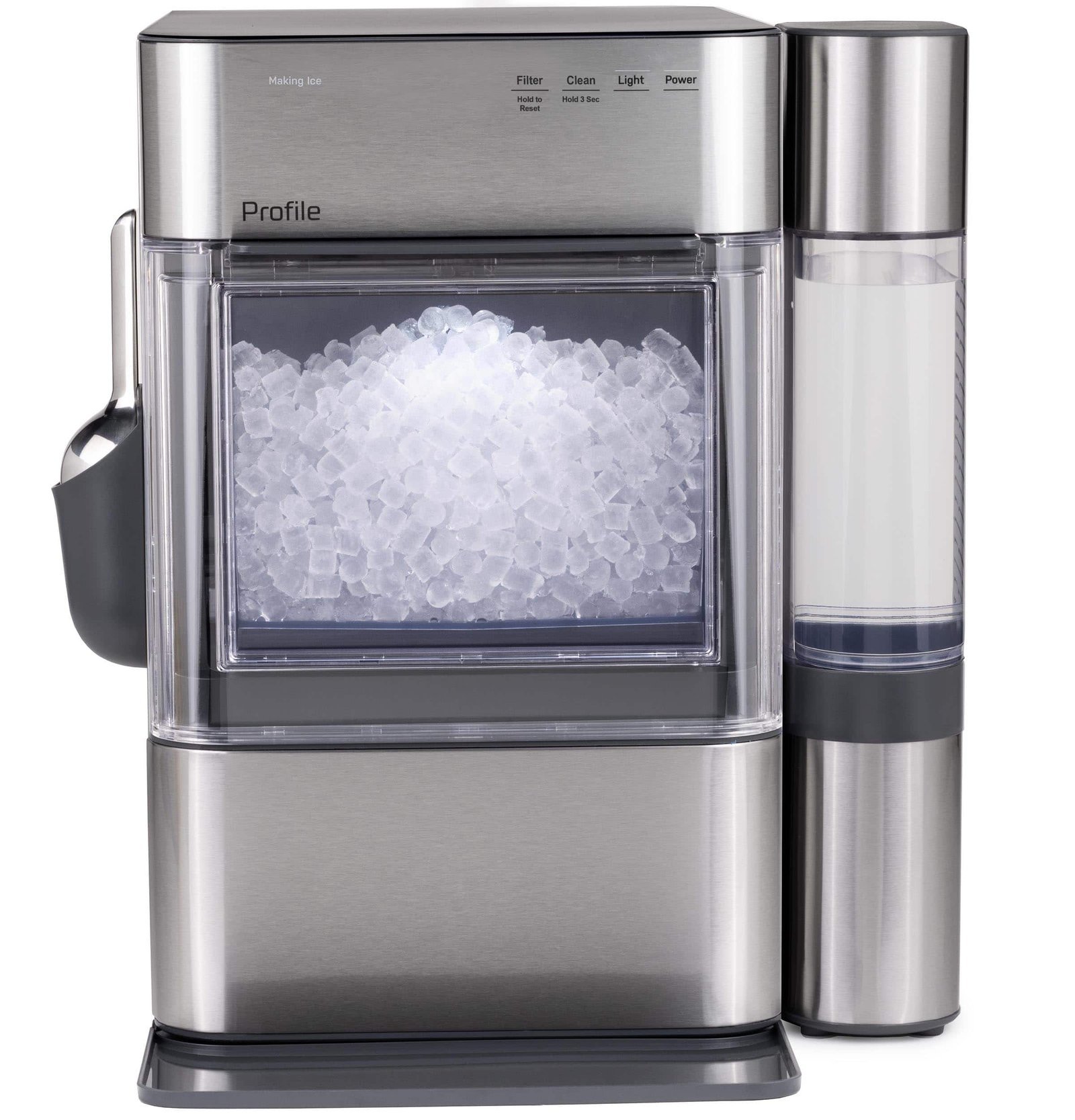
- GE Profile: Renowned for their popular nugget ice makers that fit well on standard countertops.
- Scotsman: A leader in high-end, commercial-grade under-counter units for luxury home bars.
- NewAir: Offers a wide variety of portable and countertop models at accessible price points.
- Whirlpool: Known for reliable, long-lasting freestanding models suitable for utility rooms.
- Igloo: Excellent for budget-conscious buyers seeking basic, functional portable machines.
Electrical and Plumbing Setup
| Requirement | Detail | Typical Specification |
|---|---|---|
| Power | Standard Outlet | 110V/120V Grounded |
| Water Supply | Plumbed | 1/4 inch copper/plastic tubing |
| Drainage | Gravity/Pump | Floor drain or sink connection |
Does Ice Shape Matter?
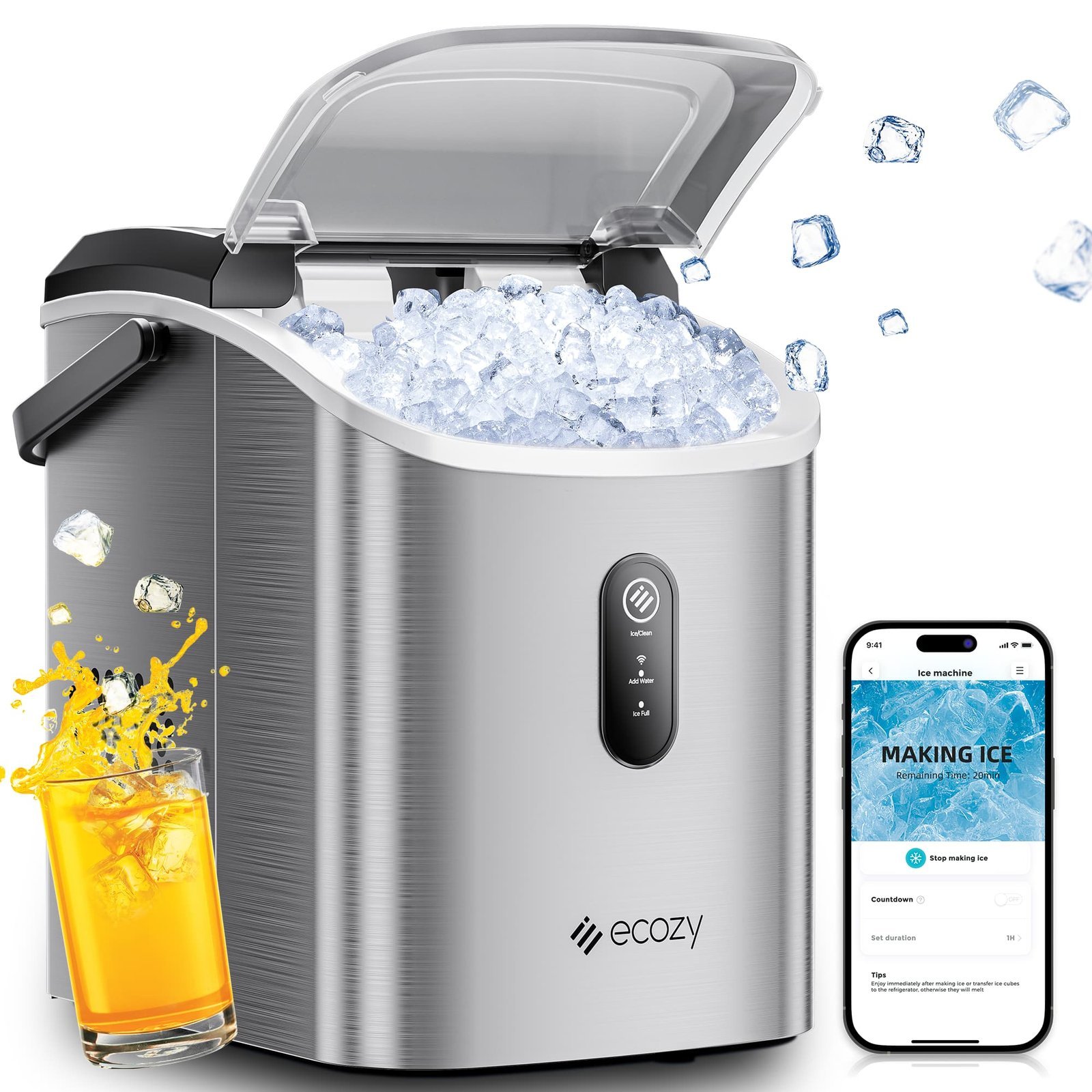
The shape of your ice significantly affects how quickly it melts and how it interacts with your beverages. Nugget ice, often called “chewable” ice, is soft and porous, making it ideal for cocktails and sodas. Traditional square cubes are denser and melt more slowly, which is perfect for keeping drinks chilled without excessive dilution. If you prefer high-end presentation, look for machines capable of producing clear cubes, which are free of trapped air bubbles and impurities.
Related guides
Frequently Asked Questions
Do I need a professional to install my ice machine?
Portable countertop units require no professional installation; you simply plug them into a standard outlet. However, under-counter or built-in models almost always require a professional plumber to connect the water line and drainage, as well as an electrician if a dedicated circuit is necessary. Improper installation can lead to leaks or void the manufacturer’s warranty, so consult your manual before attempting a DIY setup.
How often do I need to clean the machine?
Most manufacturers recommend a deep cleaning every three to six months, depending on your water hardness. If your home has hard water, you may need to descale the internal components more frequently to prevent scale buildup. Always use the specific cleaning solution recommended by the manufacturer, as harsh household chemicals can damage the nickel-plated or stainless steel components inside the freezing chamber.
Can I leave my ice machine running constantly?
Yes, most ice machines are designed to operate continuously. They feature internal sensors that detect when the bin is full and automatically pause ice production. When you remove ice, the sensor detects the drop in volume and restarts the freezing cycle. However, if you plan to be away for more than a few days, it’s best to turn the machine off and empty the bin.
What is the difference between air-cooled and water-cooled?
Most residential ice machines are air-cooled, meaning they use a fan to dissipate heat. These are efficient and easy to install but require proper ventilation. Water-cooled machines use water to remove heat, making them quieter and more effective in hot environments, but they consume significantly more water and are generally reserved for commercial settings or specific high-end residential setups requiring custom integration.
What causes my ice to have a bad taste?
A bad taste is usually caused by stagnant water in the reservoir or mineral buildup within the machine. If you have a portable unit, ensure you empty the water reservoir regularly. If you have a plumbed unit, installing a high-quality water filtration system on the supply line will remove chlorine and sediment, ensuring your ice tastes fresh and remains odor-free for your drinks.
Start by measuring your counter space and identifying the nearest water source to narrow down your options between portable or plumbed models. Once you have these dimensions, visit a reputable appliance retailer to compare the specific output rates of the top-rated models. Bringing your measurements and budget to a showroom will ensure you select a machine that serves your household for years to come.