
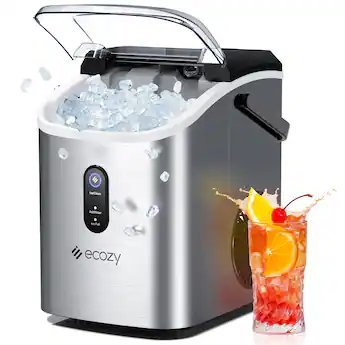
You can determine how to buy an ice machine by evaluating your daily volume needs, available water connections, and the specific footprint of your installation space. This process requires checking the manufacturer’s capacity ratings and ensuring your location meets the electrical and plumbing standards required for consistent operation.
Essential requirements for purchase
| Item | How much | Why it’s needed | A substitute |
|---|---|---|---|
| Floor space | 24-36 inches width | Allows airflow clearance | None — don’t swap |
| Water line | 1/4 inch diameter | Provides consistent supply | None — don’t swap |
| Drain line | 1/2 inch gravity | Prevents water backup | Pump system |
| Power supply | 115-volt outlet | Matches standard units | Dedicated circuit |
| Water filter | 5-micron rating | Removes sediment/taste | None — don’t swap |
Preparing your installation space
- Switch off the water supply valve at the wall to prevent leaks during the connection process.
- Clear the area of all debris to ensure the unit has at least 6 inches of side clearance.
- Measure the height and depth of your cabinet opening twice to ensure the machine fits properly.
- Check that your floor is level, as an uneven surface can cause improper water distribution in the evaporator tray or drainage issues.
- Consult a licensed plumber if your home lacks an existing floor drain for waste water.
How to buy an ice machine: Choosing the right unit
- Calculate your daily ice needs by multiplying the number of people by 1.5 pounds of ice per person.
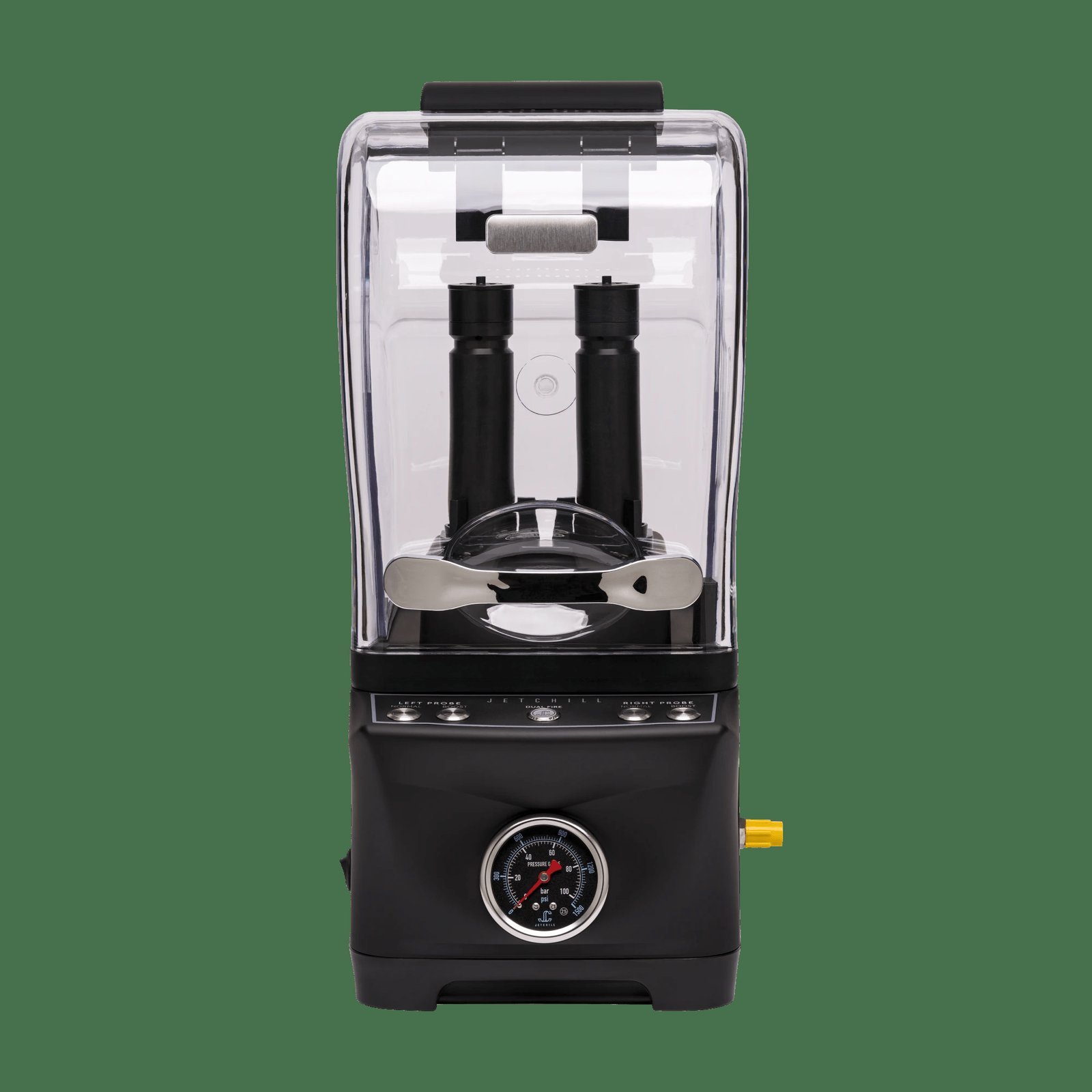
- Select a modular machine if you need over 200 pounds of ice per day for high-volume use.
- Choose an undercounter model if you have limited space and require under 100 pounds of ice daily.
- Verify the NSF International certification standards to ensure the unit meets public health requirements for food equipment.
- Check the electrical label on the back of the unit to confirm it matches your home’s breaker.
- Ensure the machine has an external air vent if you’re installing it inside a closed cabinet.
- Connect the machine to a dedicated, properly grounded outlet as specified by the manufacturer.
- Turn on the water supply and wait 30 minutes for the first batch to cycle through.
- Discard the first two batches of ice to clear the system of any manufacturing dust or debris.
Verifying machine performance
Successful installation is confirmed when the machine completes its harvest cycle without leaking or making excessive mechanical noise. A properly functioning unit will produce a full bin of ice within 24 hours of the initial start. If the ice cubes appear cloudy, check your water filter for clogs or mineral buildup. You should see a consistent flow of water entering the tray during the freeze cycle. If the bin doesn’t fill, check the water supply, condenser airflow, and the harvest cycle settings.
Troubleshooting common issues
| What happened | Why | What to do |
|---|---|---|
| No ice produced | Water is off | Open the supply valve |
| Loud grinding noise | Poor level | Adjust the leveling legs |
| Water leaks | Loose hose | Tighten the connection |
| Clouded ice | High minerals | Install water softener |
| Slow production | Dirty condenser | Clean the air filter |
Maintenance schedule for longevity
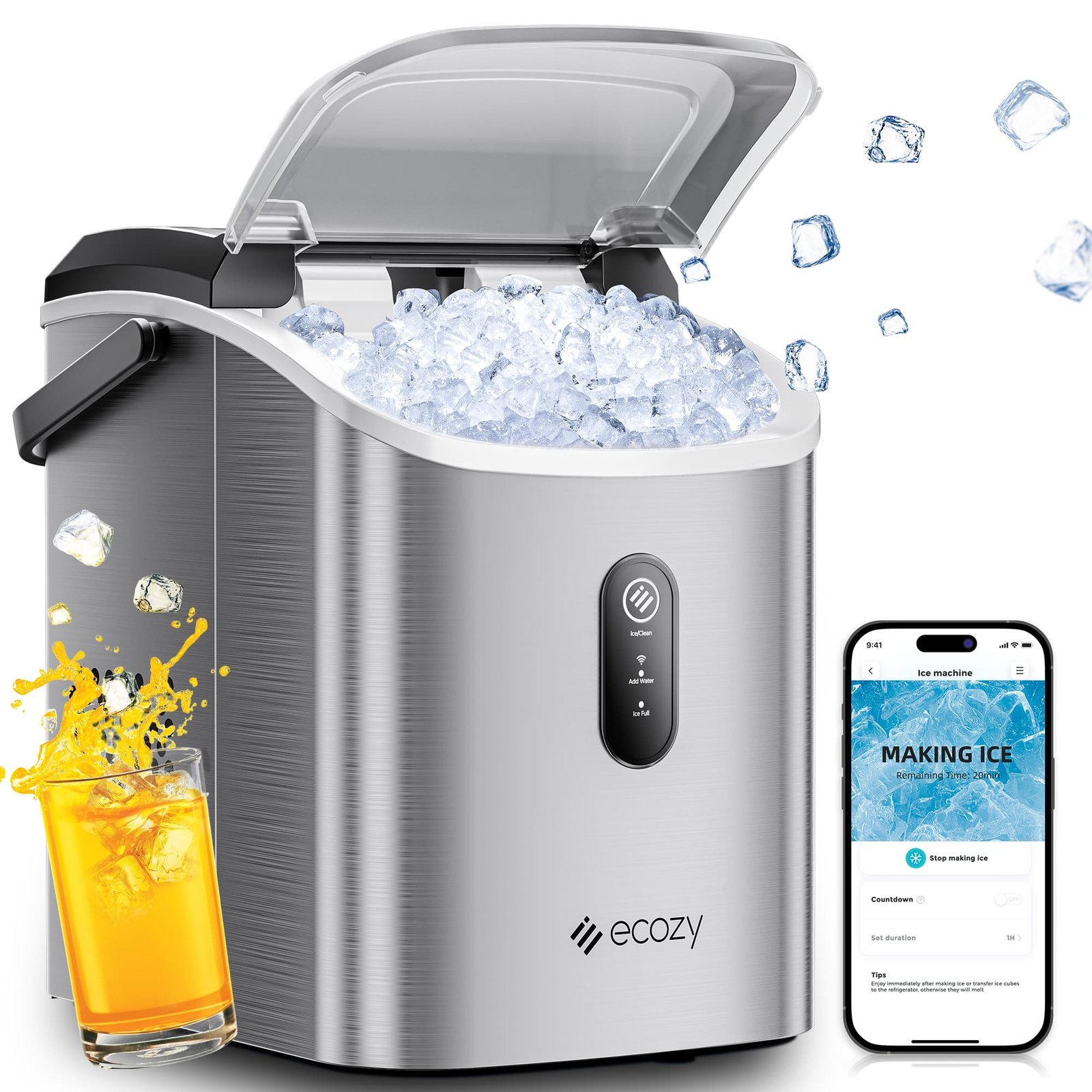
You should clean the interior bin and exterior surfaces regularly to prevent mold and mineral scale buildup. If your water source is high in calcium, increase this frequency to avoid internal damage to the pump. This varies by model — check the label for specific descaling solution requirements. Using the wrong cleaner can strip the protective finish from the ice bin, so always follow the maker’s guide.
Can I install this in a garage?
No, most machines aren’t designed for extreme temperatures and will lose efficiency or fail if the ambient temperature drops below 50 degrees or rises above 90 degrees Fahrenheit.
Does it need a special drain?
Yes, you need a gravity drain unless you buy a model with a built-in drain pump, which allows the water to move upward to a standard sink pipe.
How much power does it use?
Most residential units use between 5 and 10 kilowatt-hours per 100 pounds of ice produced, but this varies by model — check the energy label on the unit.
Is a water filter required?
Yes, a filter is required to protect the internal components from sediment damage, which can void your warranty if the manufacturer’s instructions aren’t followed regarding water quality.
How long does a machine last?
About 8 to 12 years with proper maintenance, but this assumes regular cleaning of the condenser and filter to prevent the compressor from overheating during peak summer months.
What happens if the power cuts out?
The machine will stop, and most models will automatically resume the ice-making cycle once power returns, though you may need to clear the bin if ice melted.
Is it safe to use tap water?
Yes, as long as your local water supply meets municipal safety standards, but a filter is still recommended to ensure the ice is clear and odorless.
Always verify the specific electrical and plumbing requirements listed in your owner’s manual before finalizing your purchase, as professional installation may be necessary if your home’s current setup doesn’t meet the manufacturer’s safety specifications for your chosen model.
Ice machine, in short
Once your new unit arrives, take a moment to read the manual thoroughly before plugging it in. Proper placement and regular cleaning will keep your ice fresh and prevent future mechanical issues. You’ll be glad you took these small steps to ensure your machine runs smoothly for many years to come.
Pingback: Where Can I Buy a Ice Machine: Best Retailers and Shops
Pingback: How Much Does Ice Machine Cost: Pricing and Factors