You can expect to pay anywhere from $100 to $6,000 for an ice maker, depending on whether you choose a portable countertop unit or a high-capacity commercial machine. Budget models typically range from $100 to $300, while built-in residential under-counter units generally cost between $800 and $2,500. Professional-grade machines for heavy use can easily exceed $3,000, excluding the costs of professional installation and water filtration systems.
Key Takeaways
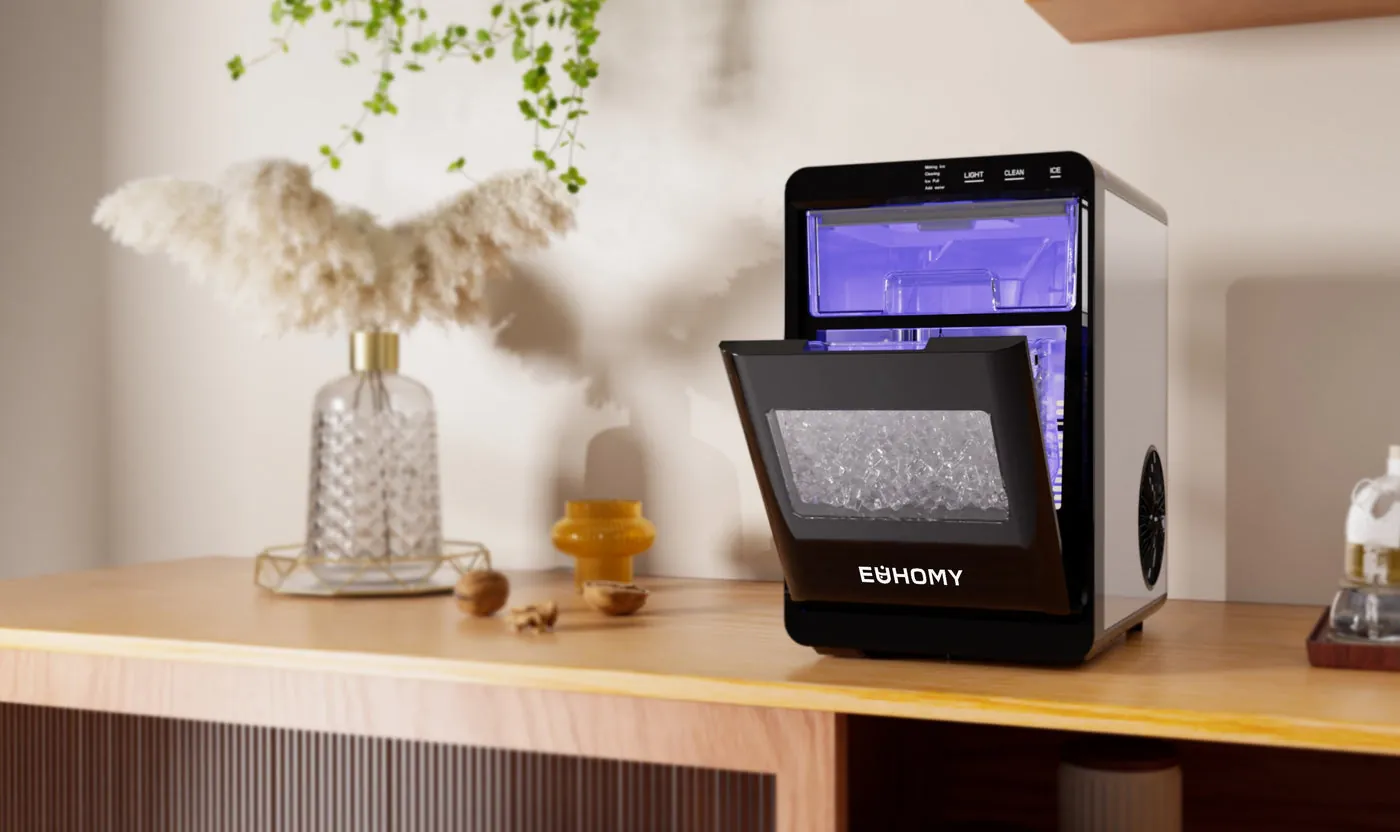
- Portable ice makers are plug-and-play devices that require no permanent plumbing or drainage connections.
- Built-in units provide a continuous, high-quality supply but necessitate professional installation and dedicated water lines.
- Consider your daily ice consumption requirements before selecting between nugget, clear, or standard bullet ice styles.
- Maintenance costs include periodic professional descaling and potential replacement of internal water filters.
- Always verify that your chosen model carries the ENERGY STAR certification to ensure long-term efficiency and lower utility bills.
How Much Does An Ice Maker Cost?
The price of an ice maker is dictated by its cooling technology, build quality, and ice production volume. Entry-level countertop machines are mass-produced with basic plastic housings and internal components, while premium built-in models use stainless steel and high-end compressors meant to last for years.
| Ice Maker Type | Estimated Price Range | Best For |
|---|---|---|
| Portable Countertop | $100 – $350 | Occasional home use |
| Under-Counter Residential | $800 – $2,800 | Kitchen renovations |
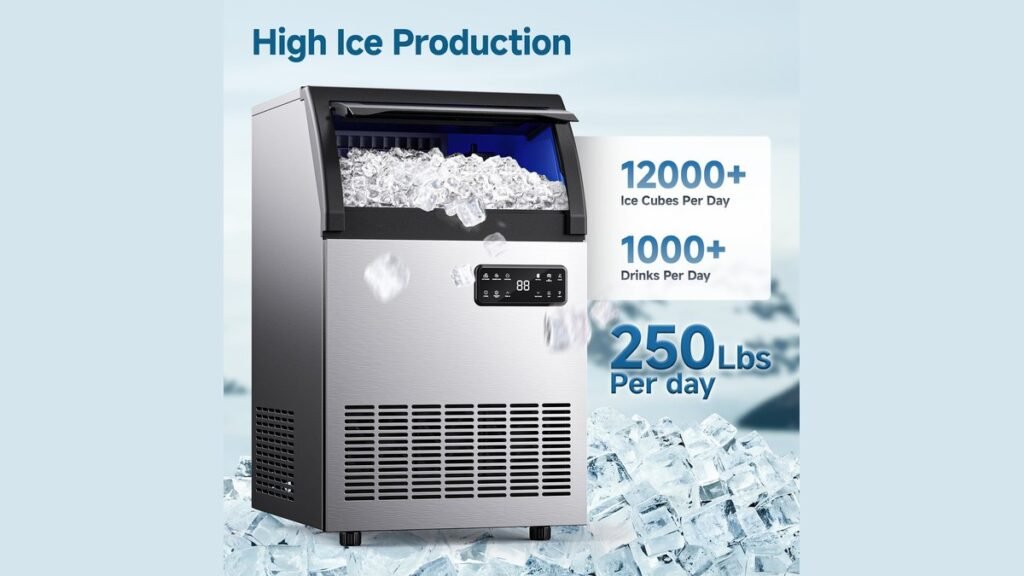
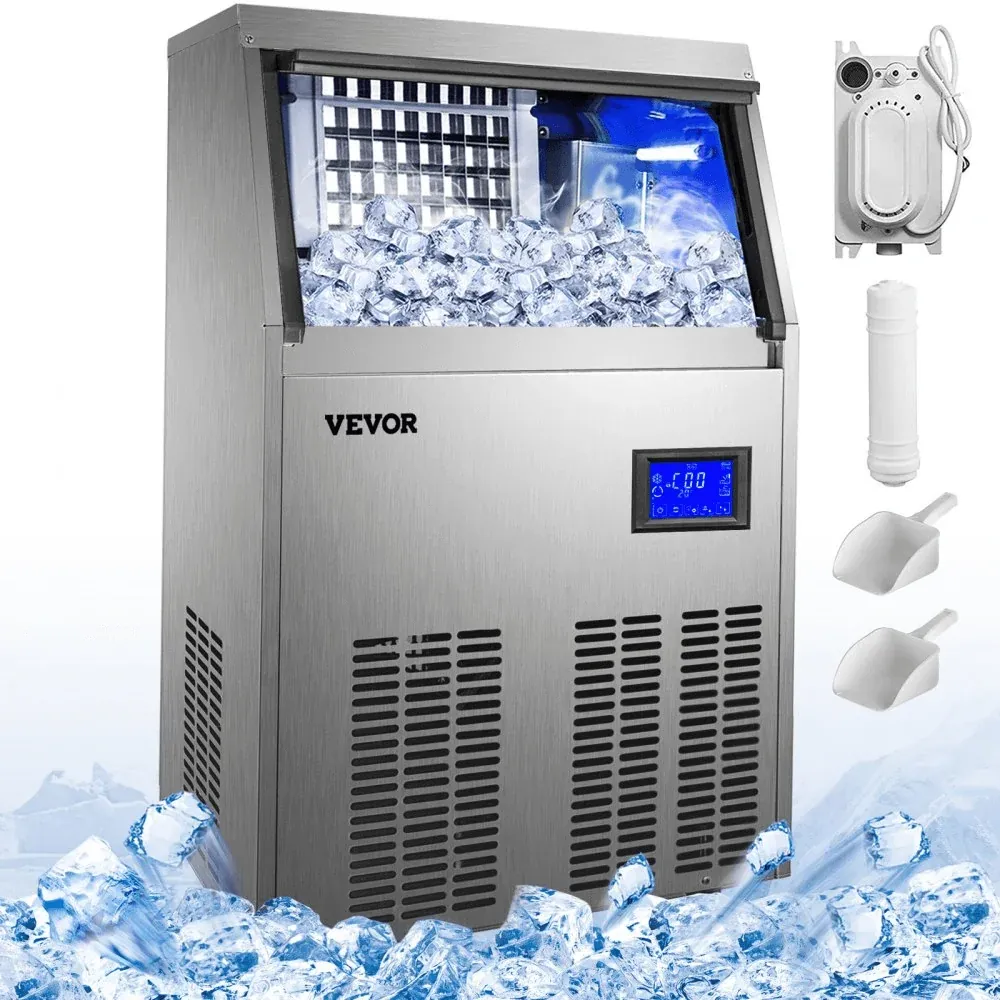
| Freestanding Commercial | $1,500 – $6,000 | Businesses and large events |
| Portable Nugget Style | $300 – $650 | Craft drinks and enthusiasts |
Essential Factors Influencing Total Price
Beyond the sticker price, you must account for the total cost of ownership. These machines aren’t passive appliances; they require regular cleaning and occasional part replacements. Furthermore, if you opt for a built-in model, you must budget for a plumber to extend your water line and potentially a carpenter to modify your cabinetry.
Installation expenses can range from $200 to $800 depending on the complexity of your plumbing setup. Additionally, most high-end units require a dedicated water filtration system to prevent mineral buildup, which can add another $100 to $300 to your initial setup budget.
Choosing Your Ice Maker Style
Different ice types require different cooling mechanisms, which directly impacts the unit’s retail price. Standard bullet ice is the cheapest to produce because the freezing process is rapid and requires less sophisticated hardware. Nugget ice—often called “sonic ice”—requires a more complex auger-driven system, which keeps the price point higher.
Comparing Common Ice Varieties
- Bullet Ice: Common in portable units; hollow center and fast freezing.
- Nugget Ice: Soft, chewable, and premium; popular in high-end home bars.
- Clear Cubes: High-density, slow-melting; found in luxury under-counter appliances.
- Flake Ice: Used primarily for food displays; requires specialized mechanical equipment.
Hidden Costs Of Operation
Warning: Failing to clean your ice maker every three to six months can lead to significant mechanical failure, as hard water deposits build up on the evaporator coils and can seize the internal pump.
Operation costs include electricity and water usage. While modern machines are increasingly efficient, running a compressor 24/7 adds to your monthly utility bill. You should also budget for descaling solutions and water filter cartridges, which generally need replacement every six months to ensure the ice remains tasteless and odorless.
Maintenance And Longevity Expectations
The longevity of your machine depends on how well you manage your water quality. If you live in an area with hard water, the scale buildup will degrade the pump and ice tray much faster than in soft water areas. Using a dedicated water softener or a high-quality inline filter can extend the life of your machine by several years.
| Maintenance Task | Frequency | Cost Range |
|---|---|---|
| Internal Descaling | Every 3-6 months | $15 – $40 |
| Water Filter Change | Every 6 months | $30 – $70 |
| Professional Servicing | As needed | $150 – $300 |
Installation And Electrical Requirements
Before purchasing, verify your electrical capacity. Most portable units operate on standard 120V household outlets. However, some commercial-grade machines require dedicated circuits to prevent tripping your breakers.
Pro Tip: Always measure your available under-counter space twice, accounting for the required ventilation clearance behind the unit, as most built-in ice makers require at least two to four inches of breathing room to avoid overheating.
When Should You Repair Or Replace?
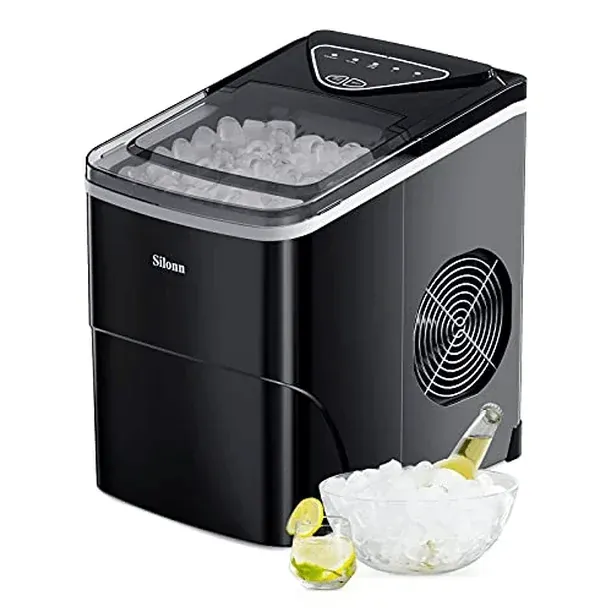
If your ice maker is over five years old and begins leaking or producing noisy, grinding sounds, it’s often more economical to replace the unit rather than pay for a professional repair. Labor costs for specialized refrigeration technicians are high, often making a repair bill for a mid-range unit exceed half the price of a brand-new model.
Frequently Asked Questions
Do countertop ice makers need plumbing?
No, portable countertop ice makers don’t require any plumbing. You simply pour tap or distilled water into the internal reservoir, and the machine recirculates it to create ice. Once the ice bucket is full, the machine stops until you empty it. This makes them ideal for apartments, offices, or outdoor patios where a permanent water line isn’t accessible.
How long do residential ice makers last?
With proper maintenance, a high-quality built-in residential ice maker typically lasts between seven and ten years. Portable models, which use less durable materials and cooling components, generally have a shorter lifespan of three to five years. Consistent cleaning and the use of a water filter are the most effective ways to maximize the service life of your machine.
Is nugget ice worth the extra money?
If you enjoy soft, chewable ice for cocktails, sodas, or iced coffee, nugget ice is often considered worth the higher price. These machines are more complex and require more frequent cleaning than standard ice makers, but they offer a unique texture that standard bullet or clear cube machines can’t replicate. For most users, this is a luxury preference rather than a necessity.
Can I install a built-in unit myself?
While it’s possible for a skilled DIY enthusiast to install an under-counter ice maker, it’s generally recommended to hire a licensed plumber. Improper installation of the water supply line can lead to hidden leaks that cause significant water damage to your cabinetry and floors. A professional will also ensure the unit is perfectly leveled, which is critical for proper ice formation.
Does ice maker quality affect taste?
Yes, the quality of your ice is heavily influenced by the water source and the cleaning frequency of the machine. High-end units often include sophisticated filtration systems that remove chlorine and sediment. If you don’t change your water filter regularly, or if you don’t descale the internal components, the ice will eventually absorb odors and develop a stale, metallic, or unpleasant taste.
Conclusion
To get started, take a tape measure to your kitchen or bar area to determine exactly how much space you have, then check your local appliance retailer’s website to compare current models against your budget. Once you have narrowed down your top two choices, look for user manuals online to confirm the specific water and electrical requirements for your home.