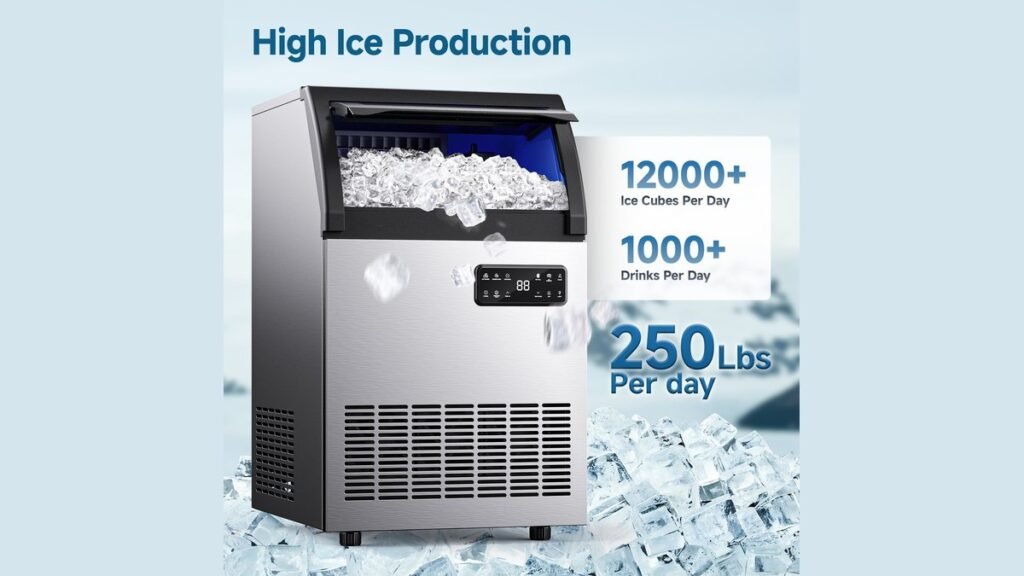
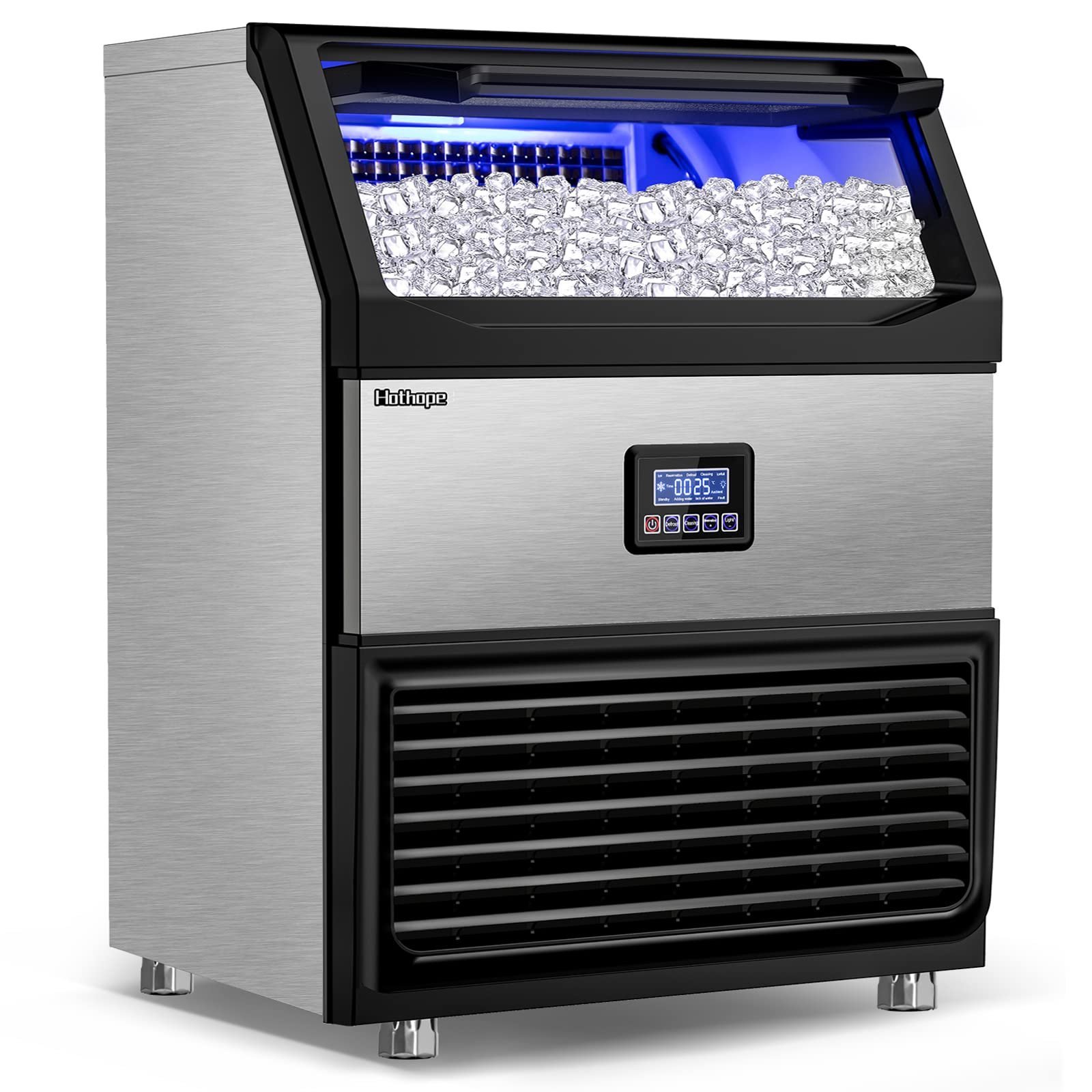
A basic countertop ice maker machine costs between $100 and $200, while professional-grade built-in units range from $1,500 to $4,000. These prices vary based on the daily ice production capacity, the cooling technology, and whether the unit requires a permanent water line.
Choosing the right ice maker machine
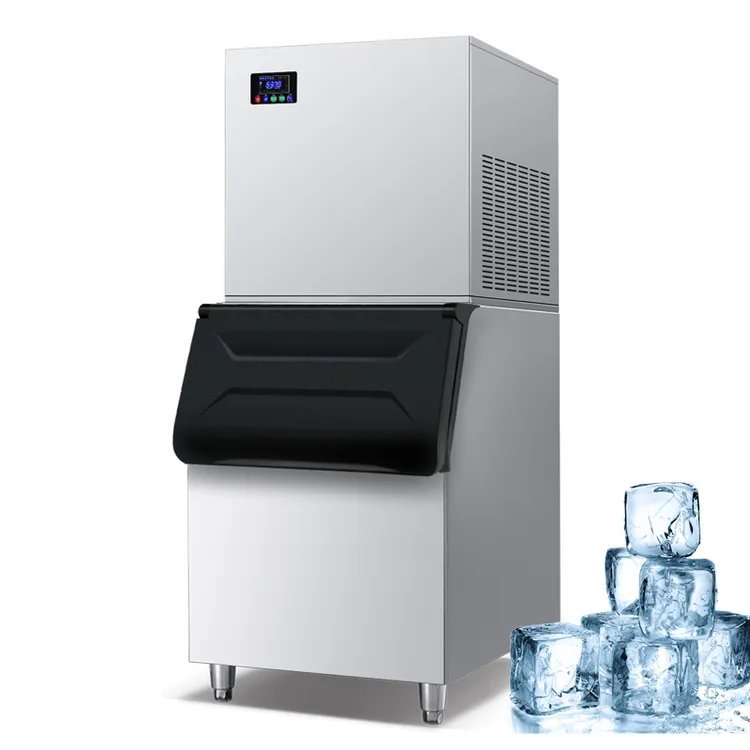
- Budget models produce about 20 to 25 pounds of ice per day if you refill the water reservoir every few hours.
- Built-in machines connect to your home’s plumbing, which eliminates the need for manual filling but requires a professional install.
- Portable machines use air-cooled compressors that need at least 6 inches of clearance on all sides to function without overheating.
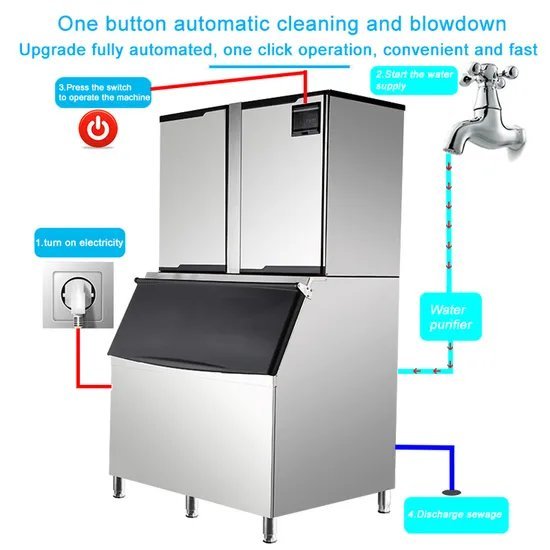
- Choose a model with a self-cleaning function if you live in an area with hard water to prevent mineral buildup inside.
- Always check the Energy Star product finder to compare the energy efficiency of different commercial and residential ice-making units.
- This isn’t for people who want instant ice; most countertop models take 8 to 12 minutes to drop the first batch of cubes.
Why Prices Vary So Much
The price of an ice maker depends on the mechanical complexity and the quality of the insulation used to keep the ice frozen. Entry-level machines use simple plastic housing and basic cooling coils that can’t keep the ice frozen for long. These units are designed to dump ice into a basket, which will melt back into the reservoir if you don’t move it to a freezer.
Higher-end machines include integrated storage bins with heavy-duty insulation that maintains the ice temperature. These units also feature advanced sensors that detect when the bin is full and automatically pause production to save power. If you’re unsure about the specific cooling capacity of a unit, check the manufacturer’s specification sheet or the label on the back of the machine. This documentation clearly states the production rate in pounds per 24 hours under standard room temperature conditions.
How Much Is an Ice Maker Machine? Comparing Costs
| Situation | What changes | What to do instead |
|---|---|---|
| Countertop model | Needs manual filling | Use filtered water |
| Built-in unit | Needs plumbing hookup | Hire licensed plumber |
| Commercial grade | High power usage | Check electrical circuit |
| Outdoor use | Needs weather rating | Buy patio-rated model |
| High humidity | Slower ice drop | Keep in cool room |
How to Set Up Your Machine
- Place the unit on a flat, level surface at least 6 inches away from walls to allow for proper airflow during the cooling cycle.
- Clean the interior reservoir with a solution of one part white vinegar to three parts warm water to remove any factory dust or residue.
- Plug the machine into a dedicated grounded wall outlet, avoiding power strips or extension cords that can cause a voltage drop during compressor startup.
- Fill the water tank to the indicated “Max” line using only fresh, cold water; don’t use hot water, as this damages the internal pump.
- Turn the power on and wait 30 minutes for the internal cooling system to reach the temperature required to begin the first harvest cycle.
- Discard the first two batches of ice produced, as these often contain residual cleaning agents or dust from the manufacturing process in the pipes.
Common Mistakes That Ruin Machines
- Leaving the machine running in a room warmer than 90 degrees Fahrenheit forces the compressor to work constantly, which significantly shortens its total lifespan.
- Failing to descale the machine regularly causes calcium buildup, which eventually blocks the water lines and burns out the circulation pump.
- Moving the unit immediately after use can damage the cooling system; always let the machine sit upright for 24 hours after moving it to allow refrigerant to settle.
Frequently asked questions
How long does an ice maker last?
Most residential ice makers last three to five years with regular cleaning and proper ventilation. You can extend this by descaling the water system regularly, which prevents the mineral deposits that typically cause the internal pump to fail.
Is it safe to use ice from a new machine?
Yes, it’s safe to use the ice after you discard the first two full cycles. These initial batches flush out any remaining dust or manufacturing oils from the internal components, ensuring the ice is clean and ready for consumption.
How much electricity does it use?
A standard countertop unit uses about 100 to 150 watts while actively producing ice. This varies by model — check the label on the back of your specific machine to see the exact wattage rating and power consumption requirements.
Why is my ice maker making loud noises?
The machine is likely sitting on an uneven surface, which causes the internal compressor to vibrate against the plastic housing. Ensure the unit is level by adjusting the feet, as a stable base usually stops the rattling during the harvest cycle.
Does it matter what water I use?
Yes, filtered water is best because it prevents scale buildup inside the machine. If you use hard water, you must clean the machine more frequently to prevent white deposits from clogging the water lines and the harvest tray.
How do I know if it needs cleaning?
The machine needs cleaning when the ice cubes start coming out cloudy, thin, or smaller than usual. If you notice a strange taste or see white flakes in the water reservoir, it’s time to perform a full vinegar flush.
Can I leave it plugged in all the time?
Yes, you can leave the unit plugged in, as most modern models have an auto-shutoff sensor that stops production when the bin is full. However, if you’ll be away for more than a week, it’s best to unplug and empty it.
Ice maker, in short
The overall cost of owning an ice maker is more than just the purchase price, as you must account for the water quality and the need for regular maintenance. If you keep the unit clean and give it enough space to breathe, you’ll get much better performance and a longer life from your investment.
Related guides