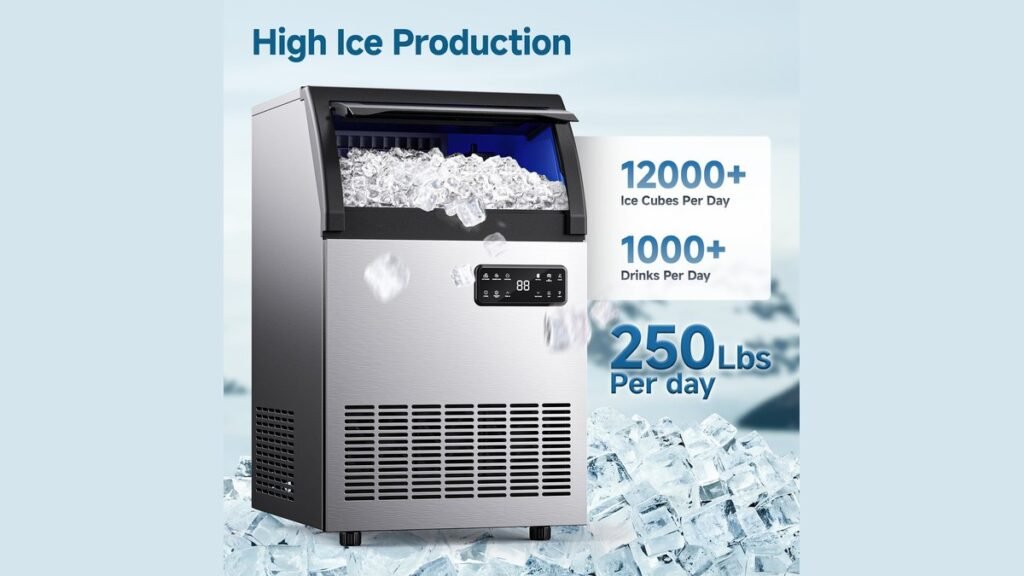
To operate an ice machine effectively, you must understand the specific requirements for power, water filtration, and routine maintenance that keep these appliances running efficiently. Whether you’re using a compact under-counter unit in a home kitchen or a large-scale commercial bin in a restaurant, the core mechanical process relies on a consistent water supply and a clear ventilation path. Properly managing these devices ensures you have a steady supply of clean, sanitary cubes without risking mechanical failure or bacterial buildup.
Key Takeaways
- Always ensure the unit has at least six inches of clearance for proper airflow.
- Check the water filter every six months to prevent mineral scale accumulation.
- Sanitize the internal components regularly to maintain food safety standards.
- Monitor the bin level sensor to avoid overproduction and overflow issues.
- Keep the condenser coils clean to prevent the compressor from overheating.
How to Operate an Ice Machine
Operating a standard ice maker involves a simple sequence of preparation and monitoring. First, verify that the water line is properly connected to a cold-water source and that the shut-off valve is fully open. Once power is connected, the machine will typically enter a self-cleaning or initialization cycle. During this phase, the system flushes the lines and prepares the evaporator plate. You should observe the machine for at least one full cycle to ensure the ice cubes are forming correctly and the harvest mechanism drops them into the bin without obstruction.
Essential Components for Daily Use
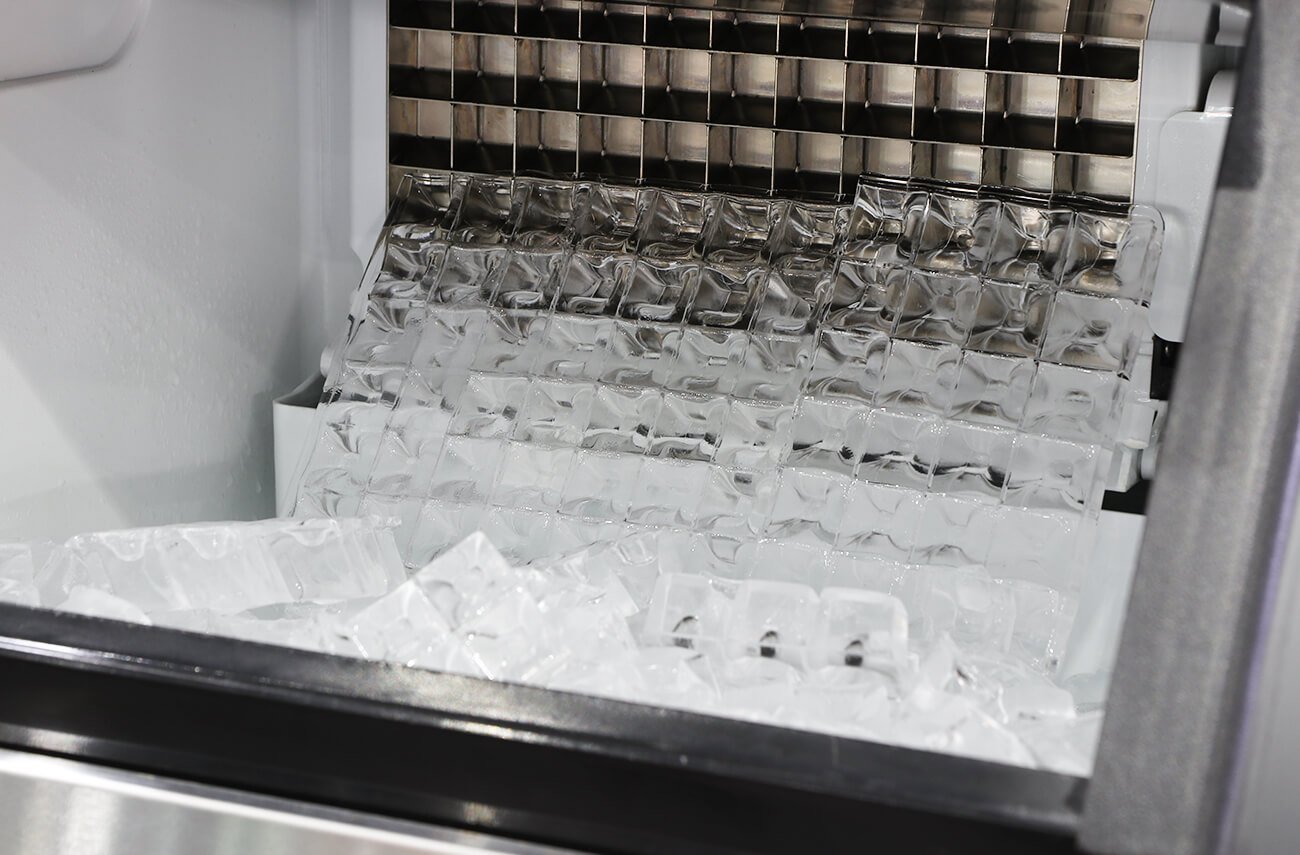
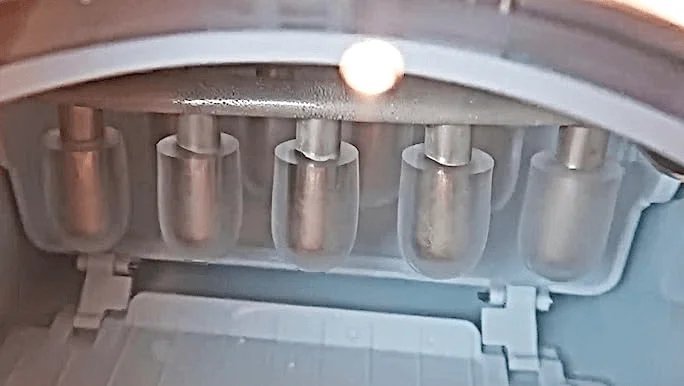
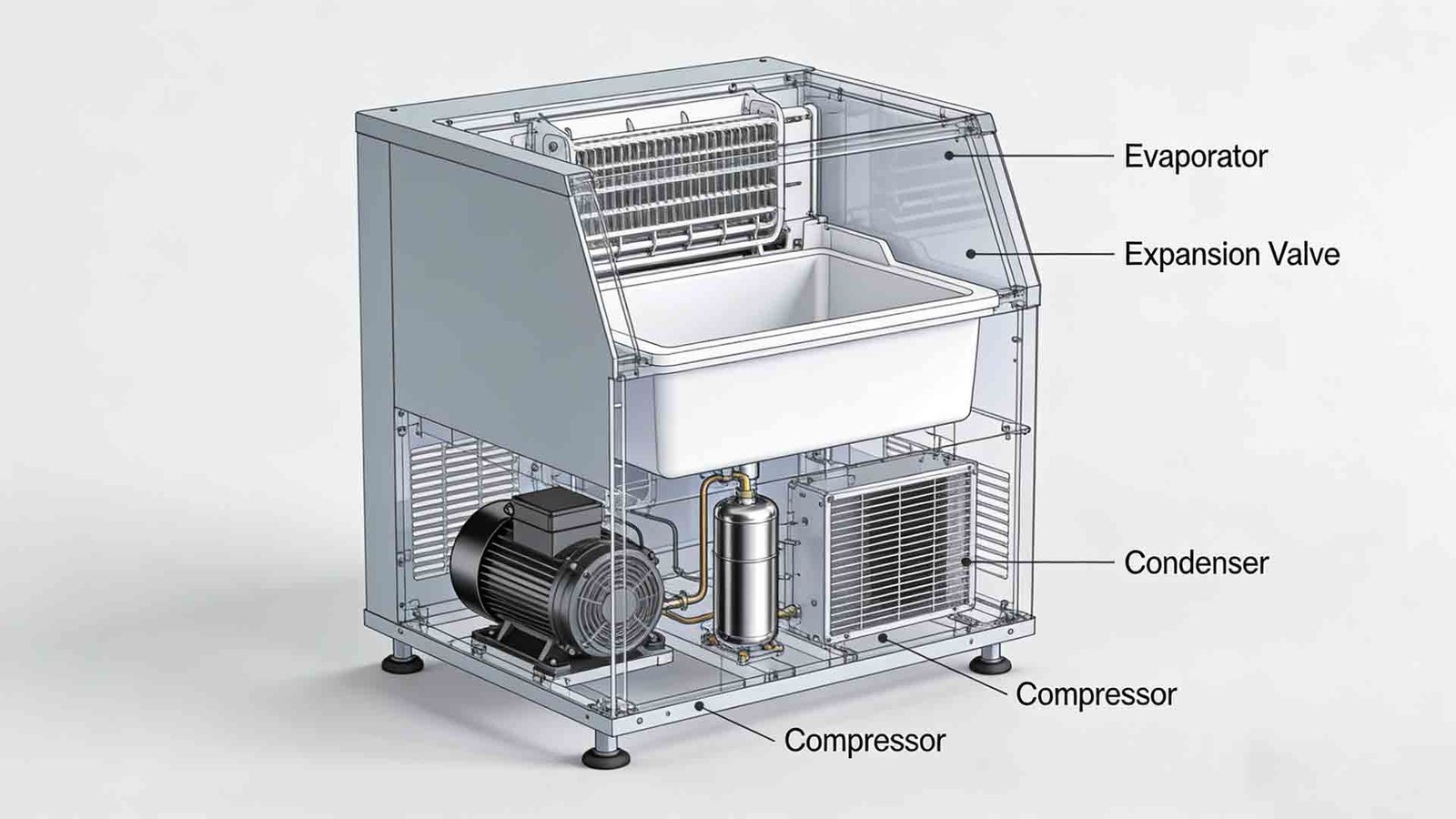
Every machine consists of a few primary parts that require your attention during daily operation. The control panel is your interface for power and cleaning modes, while the storage bin acts as the repository for finished ice. The water pump and the evaporator plate are the heart of the system, where water is circulated and frozen into the desired shape.
| Component | Function | Maintenance Task |
|---|---|---|
| Water Filter | Removes contaminants | Replace every 6 months |
| Evaporator Plate | Freezes water into ice | Descale annually |
| Condenser Coil | Dissipates heat | Vacuum dust monthly |
| Bin Sensor | Detects ice level | Wipe with damp cloth |
How to Clean Your Machine
Routine sanitation is mandatory to prevent the growth of slime, mold, and bacteria. According to the U.S. Food and Drug Administration, machines must be cleaned and sanitized according to the manufacturer’s instructions to maintain safe ice quality. Use a food-grade nickel-safe cleaner for the evaporator and a mild bleach or vinegar solution for the bin surfaces. Never use harsh industrial chemicals that could damage the internal plastic or metal components.
Troubleshooting Common Operational Issues
When your machine stops producing ice, start by checking the power supply and the water line. If the unit is running but not producing, the issue is often a blocked water filter or a dirty condenser coil. If the ice produced is cloudy or has an unusual taste, your water filtration system likely requires an immediate cartridge replacement.
| Symptom | Primary Cause | Recommended Fix |
|---|---|---|
| No ice production | Power or water supply | Check breaker and valves |
| Thin, soft ice | Low water pressure | Clean the water screen |
| Noisy operation | Loose panels or debris | Tighten screws and clean |
| Low ice volume | Dirty condenser coil | Vacuum the dust buildup |
Proper Airflow and Ventilation
Your ice machine generates a significant amount of heat while freezing water. If the heat can’t escape, the compressor will work harder, leading to premature mechanical failure. Always place your unit in a well-ventilated area, away from heat-producing appliances like ovens or dishwashers. Use a level surface to ensure the water flows evenly across the evaporator plate, which prevents lopsided ice formation.
Optimizing Ice Production Cycles
To get the most out of your machine, manage the ice levels manually during low-demand periods. If you know you won’t need a full bin, turn the power switch to the standby mode to save energy and reduce wear on the motor. For high-demand days, start the machine several hours in advance to allow the bin to reach capacity.
Selecting the Right Water Filter
Water quality is the most overlooked factor in machine longevity. Hard water, which contains high levels of calcium and magnesium, causes scale buildup on the evaporator plate. This scale acts as an insulator, making the machine work twice as hard to reach the freezing point. Water softening systems or inline filters are necessary in regions with hard water to protect your investment.
Managing the Harvest Mechanism
The harvest cycle is the process where the machine warms the evaporator plate slightly to release the ice cubes. If you notice the machine is stuck in the harvest cycle, the sensor might be covered in scale, or the thermostat settings could be incorrect. Check the manufacturer’s manual to reset the harvest timer if the ice isn’t dropping consistently into the bin.
When Should You Call Professionals?
While basic cleaning is a DIY task, certain issues require a certified technician. If you hear grinding sounds from the compressor, notice water leaking from inside the sealed cabinet, or see electrical sparks near the control board, disconnect the power immediately. Don’t attempt to bypass safety switches or modify the internal wiring of the unit.
Frequently Asked Questions
Why is my ice machine noisy?
Noise is usually caused by a dirty condenser fan or a loose side panel. Dust buildup on the coils forces the fan to work at higher speeds, creating vibrations. Clean the coils with a vacuum brush, and tighten any loose fasteners on the exterior casing. If the grinding persists, the fan motor bearings may need professional lubrication or replacement.
How often should I sanitize?
You should perform a full sanitation cycle every three to six months, depending on your water quality and usage volume. High-traffic environments, such as offices or restaurants, require more frequent attention to prevent biofilm buildup. Always use a manufacturer-approved solution to ensure you don’t degrade the internal plastic components or the finish of the evaporator plate.
Can I use tap water?
Yes, you can use tap water, but it must pass through a filtration system. Direct tap water often contains minerals, chlorine, and sediment that degrade the machine’s performance and negatively affect the taste of the ice. Install an inline carbon filter to remove impurities and protect the internal water pump from sediment damage before it cycles through the evaporator.
Why is the ice cloudy?
Cloudy ice is typically caused by trapped air bubbles or high mineral content in the water supply. While this isn’t necessarily a health hazard, it can affect the aesthetic quality of your drinks. Using a high-quality water filtration system can help clarify the ice, though some machines are simply designed to produce harder, clearer ice than others based on their freezing technology.
What is the harvest cycle?
The harvest cycle is the phase where the machine stops cooling the evaporator and briefly warms it to release the frozen ice. This allows the cubes to slide into the storage bin. If this cycle lasts too long, the ice will melt; if it’s too short, the ice won’t release properly, causing the machine to jam during production.
Proper operation of your ice machine is a simple matter of consistency and cleanliness. By adhering to a regular maintenance schedule and monitoring your water quality, you can extend the lifespan of your unit for many years. Start by locating your owner’s manual today to identify the specific filter type your model requires for its next replacement.