You can speed up ice maker production by lowering the freezer temperature to 0°F and cleaning the water inlet filter, which typically restores full cycle speed within 24 hours. Most units need this adjustment when output drops below rated capacity due to airflow or mineral buildup.
Freezer temperature stability primarily controls ice production rate, though fill volume, water pressure, and component function also matter. If ambient air stays above 0°F, the freeze cycle extends, though improving airflow or water fill helps.
Skipping the water filter check wastes time because restricted flow mimics a cooling issue. A clogged filter reduces fill volume per cycle, making each batch smaller.
Adjusting Freezer Settings for Faster Cycles

- Set the freezer thermostat to exactly 0°F using an independent appliance thermometer placed between frozen packages. Wait 24 hours for the temperature to stabilize before testing ice production again, as the sensor needs time to adjust. Tip: Don’t trust the built-in digital display alone; factory sensors often read 5-10 degrees warmer than actual shelf temperature.
- Remove all items blocking the rear interior air vent and leave at least two inches of clearance around it. Restricted airflow prevents cold air from reaching the ice mold evenly, forcing longer freeze cycles.
- Replace the water inlet filter if it hasn’t been changed in six months or if water pressure feels weak. Check your owner’s manual or the manufacturer filter replacement guide for the exact part number and interval for your model.
- Inspect the door gasket for gaps by closing a dollar bill in the seal; if it slides out easily, replace the gasket. Warm air leaking in forces the compressor to work harder and slows freezing significantly.
- Clean the condenser coils underneath or behind the unit using a coil brush and vacuum attachment. Dust-covered coils reduce cooling efficiency by making the system run hotter and longer per batch.
If any step involves electrical components or refrigerant lines, stop and call a licensed appliance technician instead of risking injury or voiding your warranty.
Ice Maker Cycle Times by Condition
Production speed depends entirely on your current freezer state and maintenance level, not just the model’s rated capacity. Use this table to estimate realistic output based on what you’ve already checked or fixed.
| Situation | How long per batch | What changes it | What to watch for |
|---|---|---|---|
| Optimal (0°F, clean filter) | 90 minutes | Stable temp, full water fill | Consistent cube size |
| Warm freezer (5-10°F) | 2-3 hours | Ambient heat load | Soft or cloudy cubes |
| Clogged water filter | 2+ hours | Low fill volume per cycle | Small, hollow cubes |
| Dirty condenser coils | 3-4 hours | Reduced heat exchange | Compressor running constantly |
| Faulty door seal | Variable | Intermittent warm air intrusion | Frost buildup near seal |
If batches still exceed four hours after addressing these conditions, the thermostat or water inlet valve likely needs professional diagnosis.
Signs Your Ice Maker Is Running Normally
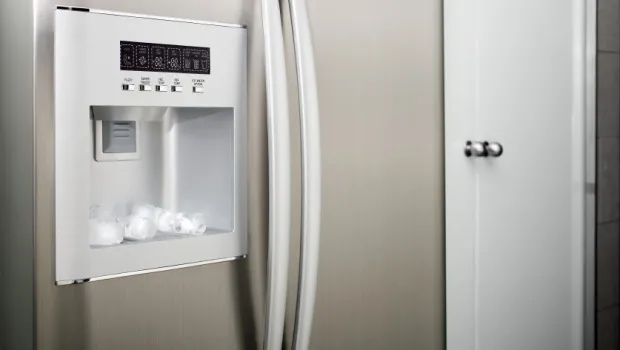
You’ll know the fix worked when cubes eject every 90 minutes and feel solidly frozen.
Measure actual output by weighing one full bin; if it matches your unit’s spec sheet rating within 10%, no further action is needed.
Common Ice Maker Speed Mistakes
- Lowering temperature below -5°F: This doesn’t accelerate freezing but does increase energy use and risks freezer burn on stored food. Keep the setting at 0°F and focus on airflow and maintenance instead of chasing colder numbers.
- Ignoring water pressure issues: Assuming slow ice is always a temperature problem leads to unnecessary thermostat adjustments when the real cause is low supply pressure. Test flow rate at the dispenser first; if it takes more than five seconds to fill a cup, address plumbing before touching freezer settings.
- Overfilling the ice bin: Stacking ice too high triggers the shutoff arm prematurely, halting production until someone uses enough to lower the pile. Keep the bin level below the sensor arm’s resting position to maintain continuous cycling.
- Using hot water to “jumpstart” freezing: Pouring warm water into the mold raises internal humidity and creates frost that insulates future batches. Always use room-temperature or cold water only when manually priming the system after maintenance.
Frequently asked questions
Can I add salt to make ice faster?
No, adding salt lowers water’s freezing point and actually slows solidification in a standard ice maker. Salt is used to melt ice, not create it, and introducing it into the reservoir can corrode metal components and void warranties. Stick to plain tap or filtered water for proper cycle timing.
Why is my ice maker making thin cubes?
Thin or hollow cubes indicate insufficient water fill during each cycle, usually from a clogged filter or kinked supply line. Check the filter age and inspect tubing behind the fridge for bends or pinches. If both are clear, the water inlet valve may be failing and require replacement.
How long after fixing does production normalize?
Expect full production recovery within 24 hours after correcting temperature or replacing a filter. If output hasn’t improved after a full day, another underlying issue remains unresolved.
Is it safe to unplug the fridge to reset the ice maker?
Yes, unplugging for five minutes safely resets the control board without damaging components. Plug back in and allow two hours for the system to reinitialize before expecting normal operation.
What happens if the freezer is too cold?
Temperatures below -5°F offer diminishing returns on ice-making speed while wasting electricity and risking damage to plastic parts through excessive brittleness. Monitor with an independent thermometer.
Can a power outage slow down ice production afterward?
Yes, outages disrupt the thermal balance and force a recalibration period lasting 12-24 hours. Avoid opening the door frequently during this window to help the system stabilize faster.
Does room temperature affect ice maker speed?
Yes, installation in garages or hot rooms above 90°F overwhelms the condenser’s ability to reject heat efficiently.
Conclusion
Matching your freezer’s actual condition to the right fix matters more than trying every tip at once. Start with temperature verification and filter maintenance, since those resolve most slowdowns without tools or expense, then escalate only if measurable output stays below your unit’s published specification after 24 hours.